
Interactive Experience Design: Creating Memorable Brand Connections Through Engagement
Brand activations succeed through meaningful engagement rather than passive observation. Interactive experience design transforms marketing approaches by creating opportunities for audiences to actively participate in brand stories. This centers on developing touchpoints that invite participation, foster connection, and generate measurable results for marketing decision-makers.
Brand activations should go beyond visual impact to create interactions between brands and their audiences. These experiences include engagement opportunities that encourage participation while supporting business objectives. Interactive brand experiences create moments through hands-on participation. Rather than simply viewing brand messages, audiences become participants in the brand story. This engagement approach drives retention rates, emotional connections, and social sharing compared to display marketing. From button-activated affirmation walls to jungle environments, each element should serve a purpose in building brand connections.
The Foundation of Interactive Experience Design
Interactive elements tap into human psychology. People remember experiences they actively participate in at higher rates than those they simply observe. This engagement principle forms the foundation of brand activations that create impressions and drive business results.
Business outcomes demonstrate the value of interactive brand experiences through multiple measurable channels:
- Participation rates increase when audiences have opportunities to engage with brand elements rather than simply observe displays
- Dwell time extends as people spend more time exploring interactive stations and activities throughout the activation space
- Social sharing amplifies reach when participants create content around their experiences and share moments with their networks
- Brand recall improves when people actively participate compared to passive viewing, leading to stronger purchase consideration
These metrics provide evidence of campaign effectiveness and return on investment.
Interactive experiences create brand connections through personal involvement. When participants press buttons, record messages, or engage with physical elements, they form stronger associations with the brand than through passive viewing alone. This engagement translates into improved brand recall and consideration during future purchasing decisions.
Interaction design looks at what motivates audiences and how they like to participate. Understanding what appeals to different groups helps determine which interactive elements will work best for each campaign. Some people enjoy competitive challenges, while others prefer working together or having quiet moments to think. The best activations use interactive elements that match what the audience wants and what the brand needs to accomplish.
Interactive brand experiences work better than traditional marketing when you look at the numbers. Passive displays might get people's attention for a moment, but interactive elements keep people engaged longer and help them connect with the brand. When people actively participate instead of just looking, they remember the experience better.
Interactive Design in Action: Multi-Zone Experiences
The Rocket ACM 2025 demonstrates how interactive experience design transforms corporate events into engaging brand experiences. Activate had the opportunity to develop an activation across five color-blocked zones within Little Caesars Arena, each featuring interactive elements that supported the "Manifest" theme while encouraging employee participation and connection.
Each zone included interactive touchpoints that served both engagement and strategic purposes:
- Red zone: Affirmation Wall where team members pressed buttons to receive affirmation tickets for sharing with colleagues, plus manifestation recording stations for personal engagement
- Blue zone: Prosperity garden made up of two greenhouses with client-sourced quotes about homeownership, encouraging exploration and reflection
- Green zone: Words of wisdom gumball machine dispensing Rocket-inspired quotes that combined fun engagement with brand messaging
- Yellow zone: Large-scale MANIFEST photo opportunity encouraging team members to pose and share their experience on social platforms
- Purple zone: Dream mirror arches where teammates wrote personal dreams for colleagues to see, combining individual expression with community sharing

The multi-zone setup let people choose how much they wanted to participate while giving them several different things to try. Some employees went to every zone, while others stuck to the areas they found most interesting. This gave people options while keeping the same brand message throughout all the interactive stations.
Each interactive element helped meet the activation goals while getting people involved. The different types of activities — pressing buttons, recording messages, writing, and taking photos — appealed to different types of people and comfort levels. This setup made sure everyone could find a way to participate that felt right for them.
Creating Immersive Brand Environments Through Interactive Design
The Cayman Jack Missed Flight Lounge shows how interactive experience design can turn frustrating situations into positive brand experiences. We had the opportunity to work with Edelman to create a jungle bar environment at the TWA Hotel connected to JFK Airport, helping turn missed flights into a branded getaway through interactive elements.
The environment setup was the foundation for getting people involved. We installed carpet that looked like natural landscapes and placed greenery everywhere to create a jungle feel. This setup made people want to explore and discover what was around each corner.
Several interactive stations guided guests through the brand experience. The central photo area welcomed visitors and gave them something to share on social media right away. Brand ambassadors handled check-in, verified bookings, and made personal connections that made the whole experience better. These face-to-face moments added warmth to the technology and physical interactive parts.
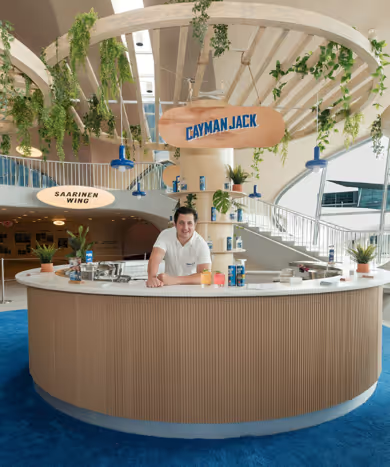
The Cayman Jack bar area let guests try different margarita flavors along with appetizers. This combined product sampling with social interaction, letting guests try the brand's drinks while meeting other travelers. The bar setup encouraged conversation and connection over the shared experience of flight delays.
The Sunken Lounge gave people interactive ways to relax in the jungle setting. Guests could choose how they wanted to interact — some preferred to relax alone while others wanted to socialize in groups. This flexible space worked for different traveler needs while keeping the brand visible throughout.
The Cayman Spa offered interactive wellness activities like eye masks, face spritzes, and chair massages. These activities helped address travel stress while creating positive feelings about the brand through personal care. The spa encouraged guests to slow down and connect with the brand personally, which works better than traditional advertising.
The swag bar at the exit gave guests one last interactive moment as they picked out Cayman Jack merchandise. This created lasting reminders of the brand while letting people choose what they wanted to take home. The selection process kept people engaged and made sure they left with something tangible from their experience.
Beyond the main space, brand ambassadors created surprise moments throughout the airport terminals, handing out special Cayman Jack boarding passes to passengers who had missed flights. These unexpected interactions extended the activation's reach while creating positive associations with the brand during stressful travel situations.
Activate's Process for Interactive Experience Design
Our seven-step process includes interactive thinking from the first idea through the final event, making sure every touchpoint has a purpose while getting people involved. This approach turns brand goals into interactions that connect with the right audiences and deliver measurable results.
The process incorporates interactive design considerations at each phase:
- Learn: Understanding audience behaviors, preferences, and motivations to determine what interactive elements will resonate most strongly with target demographics
- Strategize: Mapping interactive touchpoints to brand objectives while considering participant flow and engagement progression throughout the experience
- Design: Transforming concepts into tangible engagement opportunities while evaluating technical requirements and fabrication possibilities
- Produce: Bringing interactive concepts to life through fabrication, technology setup, and staff training at our 75,000 square foot facility
- Activate: Managing real-time interactive experiences while monitoring participation rates and making adjustments to maintain engagement effectiveness
- Recap: Measuring and analyzing interactive element performance to understand which components drove the strongest engagement and business results
This ensures client vision remains central throughout the interactive design process while contributing insights that enhance activation effectiveness.
Measuring Interactive Experience Success
Measuring the success of interactive brand experiences means looking at different numbers that show both how well people engaged and what business results came from it. Key performance indicators give clear proof of how interactive elements help campaigns work better.
Success measurement includes several key areas:
- Participation rates at different interactive stations show which elements work best with the audience
- Average time spent shows how long people stay engaged with different interactive parts of the activation
- Social media sharing shows how much reach you get when people create and share content about their experiences
- Brand recall improvement measures how interactive experiences affect what people remember and whether they'll consider buying later
- Lead generation and conversion tracking connect interactive participation directly to business results and return on investment
After the activation, we look at both the numbers and feedback to understand the full impact of interactive brand experiences. This helps make better decisions for future interactive design and shows the value of marketing that focuses on engagement.
Why Choose Activate
We had the opportunity to bring experience in developing interactive brand experiences that create meaningful connections while delivering measurable business results. Our approach combines thinking with creative execution to transform brand objectives into engaging participant experiences across brand activations, mobile tours, and experience kits.
Our turnkey capabilities enable development and execution of interactive brand experiences from initial concept through final measurement. The 75,000 square foot Metro Detroit facility provides fabrication, testing, and fulfillment services that ensure quality across all interactive elements. This approach eliminates coordination challenges while maintaining focus throughout the development process.
Our collaborative approach ensures client vision remains central throughout the interactive design process. We work closely with internal teams to understand brand objectives, audience preferences, and success metrics while contributing insights that enhance activation effectiveness. This partnership approach creates authentic brand experiences that reflect client values while including proven engagement strategies.
Ready to transform your brand connections through interactive experiences? Connect with us to explore how good design can elevate your next brand activation and create lasting audience engagement that drives business results.
Frequently Asked Questions
What is interactive experience design and how does it apply to brand activations?
Interactive experience design focuses on creating opportunities for active participant engagement within brand experiences rather than passive observation. In brand activations, this approach transforms traditional displays into hands-on experiences through elements like button-activated walls, recording stations, product trial areas, and collaborative activities that encourage participation while delivering brand messages.
How do interactive elements improve engagement in brand activation campaigns?
Interactive elements increase engagement by encouraging active participation, extending dwell time, and creating memorable experiences that participants recall and share. When people press buttons, record messages, or engage with physical brand elements, they form stronger emotional connections and generate higher retention rates compared to passive viewing experiences.
What types of interactive features work best for live brand experiences?
Effective interactive features include technology-enabled elements like button-activated dispensing systems, digital recording stations, and social sharing opportunities, as well as physical interactions such as product trials, collaborative activities, and takeaway creation. The most successful activations combine multiple interaction types to accommodate diverse participant preferences and comfort levels.
How do you measure the success of interactive brand activation elements?
Success measurement includes participation rates at different interactive stations, average dwell time, social media sharing generated by experiences, brand recall improvement, and lead generation. These metrics demonstrate both immediate engagement quality and longer-term business impact, providing clear evidence of return on investment for interactive design decisions.
What's the difference between interactive and traditional brand activations?
Traditional brand activations typically focus on visual displays and passive observation, while interactive activations create opportunities for hands-on participation and two-way engagement. Interactive approaches generate higher retention rates, stronger emotional connections, and increased social sharing through active participant involvement in brand experiences.
How do multi-zone interactive experiences increase participant engagement?
Multi-zone interactive experiences provide varied engagement opportunities that accommodate different personality types, interest levels, and comfort zones. Participants can choose their preferred interaction style while experiencing brand messaging across different zones, creating inclusive environments that encourage broader participation and deeper brand connection.
What interactive technologies are most effective for brand activations?
Effective interactive technologies include simple button-activated systems, digital recording capabilities, social sharing setup, and product demonstration tools. The most successful interactive elements combine intuitive operation with clear value propositions, ensuring participants understand the interaction purpose while creating meaningful brand connections.
How do interactive brand experiences generate social media content?
Interactive brand experiences generate social media content through photo opportunities, shareable moments, and unique activities that participants want to document and share. Elements like photo stations, collaborative activities, and takeaways create natural sharing opportunities that extend activation reach beyond on-site attendance.