
Experiential vs Traditional Advertising: Key Differences for Your Brand
Television commercials cost hundreds of thousands of dollars, and most people skip them. Print ads are glanced at for a few seconds before readers flip the page. Meanwhile, brands investing in pop-up experiences are generating lines around the block. Pop-ups create organic social media content, engaging experiences, and sales conversations with customers who specifically seek out the brand.
Traditional advertising reaches audiences through television, radio, print, and digital channels. Experiential advertising creates live, interactive brand experiences where audiences participate rather than observe. Understanding what sets these approaches apart helps marketing decision-makers choose strategies that align with their objectives.
Understanding Traditional Advertising
Traditional advertising reaches audiences through established media channels. Television commercials, radio spots, print ads, billboards, and digital display advertising follow the same basic model: brands create messages and deliver them to audiences through paid media placements.
What Is Experiential Advertising?
Experiential advertising creates opportunities for audiences to interact directly with brands through live experiences. Rather than watching or hearing about a product, consumers participate in activities that bring brand values to life.
Experiential activations include brand events such as pop-ups and product launches, mobile tours that bring experiences to multiple markets, and interactive installations where audiences engage with products firsthand. The focus is on creating moments through participation rather than message delivery.
How Experiential Advertising Creates Impact
Hands-on engagement allows consumers to understand products in ways that descriptions cannot convey. When people touch, try, or create with products, they form stronger connections than they do through observation. A demonstration video shows how a product works. A hands-on experience lets consumers discover its benefits through their own interaction.
What Makes Brand Experiences Memorable
Live experiences succeed when teams plan around how people move through and interact with spaces. Planning begins with setting clear goals, understanding who will attend, and figuring out how each moment supports what the brand wants to communicate. Location, timing, and space design must work together to create experiences that feel valuable rather than like obvious marketing.
The best interactive brand activations engage multiple senses to create memories that stick. Colors, sounds, textures, and even smells contribute to moments people remember weeks later. This sensory engagement separates activations from billboards or commercials that people can easily ignore or forget.
Building Emotional Connections Through Experience
Experiential campaigns create emotional connections because consumers interact directly with products and services rather than just hearing about them. Pop-up experiences turn blank spaces into branded destinations where people discover products through hands-on engagement:
- Product Demonstration Stations: Hands-on interaction with products shows benefits immediately, rather than describing them
- Interactive Brand Elements: Custom installations get people participating while they learn about the brand
- Personalization Opportunities: On-site services like live engraving or product customization create unique takeaways
- Storytelling Environments: Physical spaces tell brand stories through design and interactive elements
Traditional advertising broadcasts messages to audiences, while experiential touchpoints in activations invite consumers to participate directly in brand stories that create lasting memories and increase purchase intent.
Face-to-Face Conversations
Direct interactions between brand representatives and consumers build trust. These conversations answer questions in real time and build relationships that scripted messages cannot replicate. Brand ambassadors can address concerns, share information relevant to individual interests, and create connections that go beyond what advertising can achieve.
Measurable Engagement
Unlike impressions that indicate potential exposure, experiential metrics show participation. Brands can track:
- How many people engaged, and what activities resonated
- How long attendees stayed and what held their attention
- What actions they took afterward, from lead generation to purchase intent
- Social amplification and content generated from the experience
Nested: Creating Connection Through Experience
Activate had the opportunity to work with Dove Nested on a brand activation that featured multiple interactive stations. Guests had the chance to make custom bag charms at creation stations with curated bead selections and arrange fresh flowers. The experience included branded chalk art at the entrance, serving as both a welcome and a photo opportunity.
This activation shows how experiential advertising works: guests interacted directly with products, participated in creative activities that connected them to the brand, and created shareable moments. Attendees experienced the brand through hands-on activities. Each station offered different ways to engage, allowing guests to choose their level of participation while staying connected to the brand throughout the experience.

Why Major Brands Are Choosing Experiential Campaigns
Television commercials and print ads cannot guarantee that target audiences will pay attention or take action after exposure. Major brands now invest in pop-ups, mobile tours, and custom campaigns like these that create direct consumer interactions and measurable business outcomes:
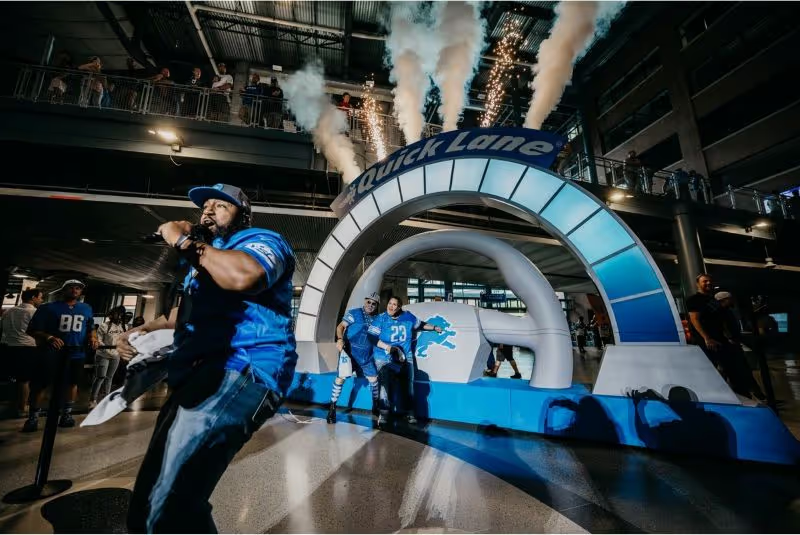
- NFL Draft Fan Experience: Detroit Lions created entrance tunnels with fog effects, interactive games like reaction walls and skeeball, and photo stations with branded props that generated media attention and social sharing
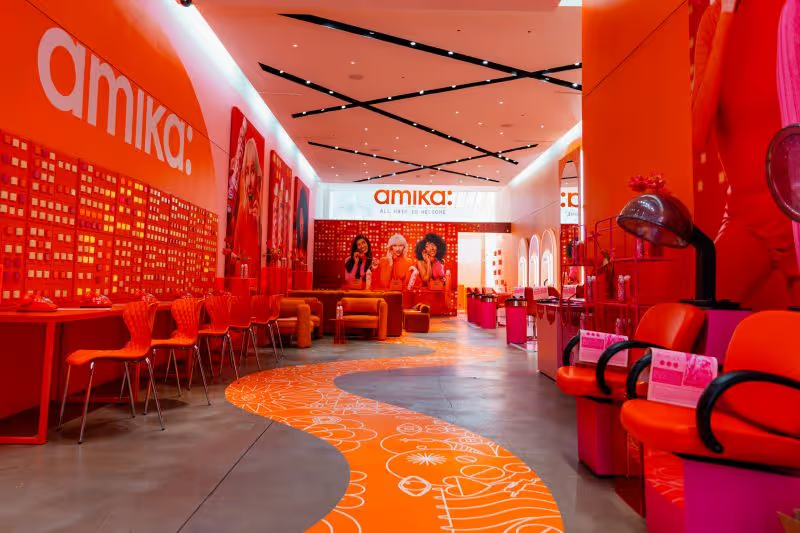
- Beauty Salon Pop-Ups: Amika's SoHo salon featured personalized hair consultations, styling stations, and a "hair-apist" call center where consumers received product education and styling services
- Fashion Mobile Tours: Coach's college campus tours brought branded experiences directly to students through custom vehicles and campus activations at multiple university locations

Engagement and Results: How Activation Differs from Traditional Approaches
Classic marketing methods push messages to audiences who watch, read, or ignore them, while activations invite consumers to participate directly in brand experiences. Print ads and commercials hope for attention, but pop-ups and mobile tours create environments where engagement becomes unavoidable. This difference impacts everything from how well people remember brands to whether they purchase.
Brand activations generate immediate feedback and build real-time relationships between brands and their audiences. Consumers become part of the experience rather than receiving information alone, which creates stronger connections and more memorable interactions.
Consumer Interaction Levels Drive Different Outcomes
Billboards and TV ads depend on repeated exposure to build recognition, while brand activations create memorable moments through direct participation. Mobile tours deliver branded experiences to consumers where they live and work, building personal connections that media buys cannot match:
- Face-to-Face Engagement: Brand ambassadors build relationships through conversation and hands-on product education
- Product Sampling Programs: Consumers try products immediately rather than only reading about benefits
- Interactive Technology Integration: Touch screens and digital displays let participants explore at their own pace
- Social Media Amplification: Participants document and share experiences naturally without prompting
ROI Comparison Between Activation and Traditional Ads
Traditional advertising requires substantial media-buying budgets and creative development costs, while interactive brand activations invest directly in experience creation, staffing, and logistics management. PR boxes and experience kits create unboxing moments that recipients remember and share:
- Direct Sales Opportunities: Mobile retail and on-site purchasing generate revenue during the experience itself
- Lead Generation Quality: Face-to-face conversations produce leads that convert better than online forms
- Social Media ROI: Participants create content naturally, reducing paid social media spend
- Long-Term Value Creation: One activation influences buying decisions for months rather than single purchases
Ready to Move Beyond Traditional Advertising with Activate?
Activate designs and executes interactive brand activations and experiences that generate measurable results for global brands with live events, mobile tours, and premium PR boxes. We execute the vision with brainstorming sessions, strategic concepts, and production teams that will make it happen. Our in-house warehouse, fulfillment services, and fabrication capabilities handle setup, brand ambassadors, and on-site operations from concept to completion.
Schedule your initial consultation at NewBusiness@Activatexp.com to determine your goals, vision, and project timeline.
Frequently Asked Questions
What does activation mean in advertising?
Activation in advertising means transforming brand messaging into a live, interactive experience where consumers participate directly. This includes pop-up events, mobile tours, product demonstrations, and experience kits.
Does traditional advertising still work?
Traditional advertising still builds broad awareness through television, radio, print, and outdoor channels. It faces growing challenges in capturing attention and building the emotional connections that experiential approaches create through direct participation.
Why are activations important?
Activations create memorable experiences that build emotional connections through direct interaction. They generate stronger brand recall, organic social content, and word-of-mouth that traditional advertising cannot replicate.
How does experiential advertising differ from traditional advertising in terms of ROI?
Traditional advertising ROI measures impressions, reach, and frequency. Experiential ROI tracks actual engagement through dwell time, lead generation, social sharing, and changes in purchase intent.
What types of brands benefit most from experiential vs traditional advertising?
Brands with products that require demonstration or companies seeking emotional connections with consumers benefit most from experiential. Traditional works well for broad awareness and quick campaign launches.
What is the timeline difference between experiential and traditional advertising campaigns?
Traditional campaigns can launch within weeks once creative and media are secured. Experiential requires 3-6 months to cover planning, production, staffing, and logistics.