
Experiential Storytelling Methods That Create Lasting Brand Connections
Modern brands face a challenge: breaking through digital noise to create connections with their audiences. While traditional marketing focuses on reaching consumers, experiential storytelling methods transform how brands engage with people by creating narratives that audiences participate in rather than passively consume.
Experiential storytelling methods combine narrative development with physical brand experiences, allowing companies to communicate their values, mission, and personality through interactions. These approaches move beyond standard advertising messages to create emotional connections that drive both engagement and brand loyalty.
The Foundation of Experiential Storytelling
Traditional marketing approaches often struggle to create emotional connections because they rely on one-way communication that positions audiences as recipients of brand messages. Digital advertising, print materials, and broadcast media can raise awareness, but they rarely create the lasting connections that drive consumer loyalty and advocacy.
Physical experiences create stronger emotional connections than digital messages alone. When people participate in brand stories, they form personal connections that stick with them long after the initial interaction. This hands-on engagement makes the brand experience more likely to influence future purchasing decisions and how people view the brand.
Physical environments make stories more impactful by engaging multiple senses. While digital content primarily uses visual and audio elements, experiential content adds touch, smell, and spatial relationships to create richer experiences. The environment becomes part of the story itself, supporting brand messages through elements that guide where people look and how they feel.
These environmental storytelling approaches work particularly well for brands that want to:
- Demonstrate their values rather than simply communicate them
- Create personal connections that influence perceptions and behaviors
- Generate lasting impact that extends beyond the initial activation
Environmental Storytelling Methods
Creating brand stories requires environmental design that turns spaces into engaging experiences. Activate had the opportunity to work on this approach with the Cayman Jack Missed Flight Lounge at the TWA Hotel connected to JFK Airport, where the goal was to turn a frustrating travel situation into a positive brand moment.
The activation tackled a real problem—missed flights and travel delays—by creating an experience focused on escape and relaxation. Instead of just promoting the product, the experience told a story about finding moments of paradise when travel plans go wrong. This approach connected the brand's island vibe with a solution to something travelers actually face.
The space transformation started with the basics. We installed carpet that looked like natural landscapes, placed greenery throughout the venue to create a jungle feel, and built custom structures that supported the look. Every visual element worked together to support the brand story.
The experience guided guests through different areas from start to finish. A central photo spot welcomed guests into the space, while brand ambassadors at check-in helped set the tone. The Cayman Jack Bar served as the main attraction, offering product sampling within the tropical escape theme.
The sunken lounge gave guests a place to actually relax, letting them experience what the brand was about rather than just hear about it. The Cayman Spa offered eye masks, face spritzes, and chair massages that reinforced the relaxation theme. The swag bar at the end gave guests something to remember the experience by.
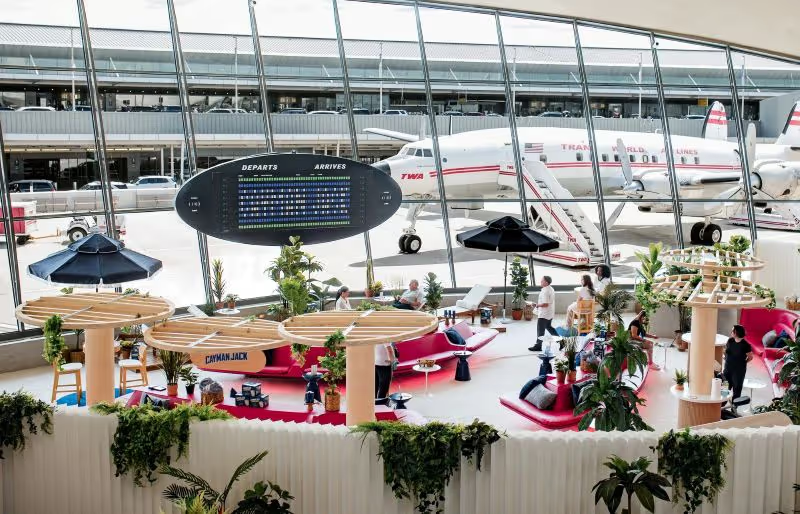
This environmental approach demonstrates how brand activations can create narratives that address consumer needs while communicating brand values. The success of this activation relied on several key elements:
- Multi-sensory environment design that transported guests from stress to relaxation
- Journey mapping from check-in through exit experience
- Product integration within the context of brand storytelling rather than direct promotion
- Physical touchpoints that reinforced the narrative at every interaction
Community-Centered Storytelling Approaches
Brand stories feel more authentic when they connect to community stories and shared values. We had the opportunity to work on this approach with Rocket Classic 2025, where the goal was to showcase community impact while letting attendees participate in shaping Detroit's future.
The activation told several connected stories about community involvement, technology innovation, and local investment. Instead of focusing on corporate messaging, the experience let attendees become part of the brand story through hands-on participation.
Education was at the center of this approach. Inside the display trailer, information about Rocket's community involvement was presented through exhibits that let visitors explore the brand's impact at their own pace. These educational moments created chances for engagement while highlighting the company's commitment to corporate responsibility and community investment.
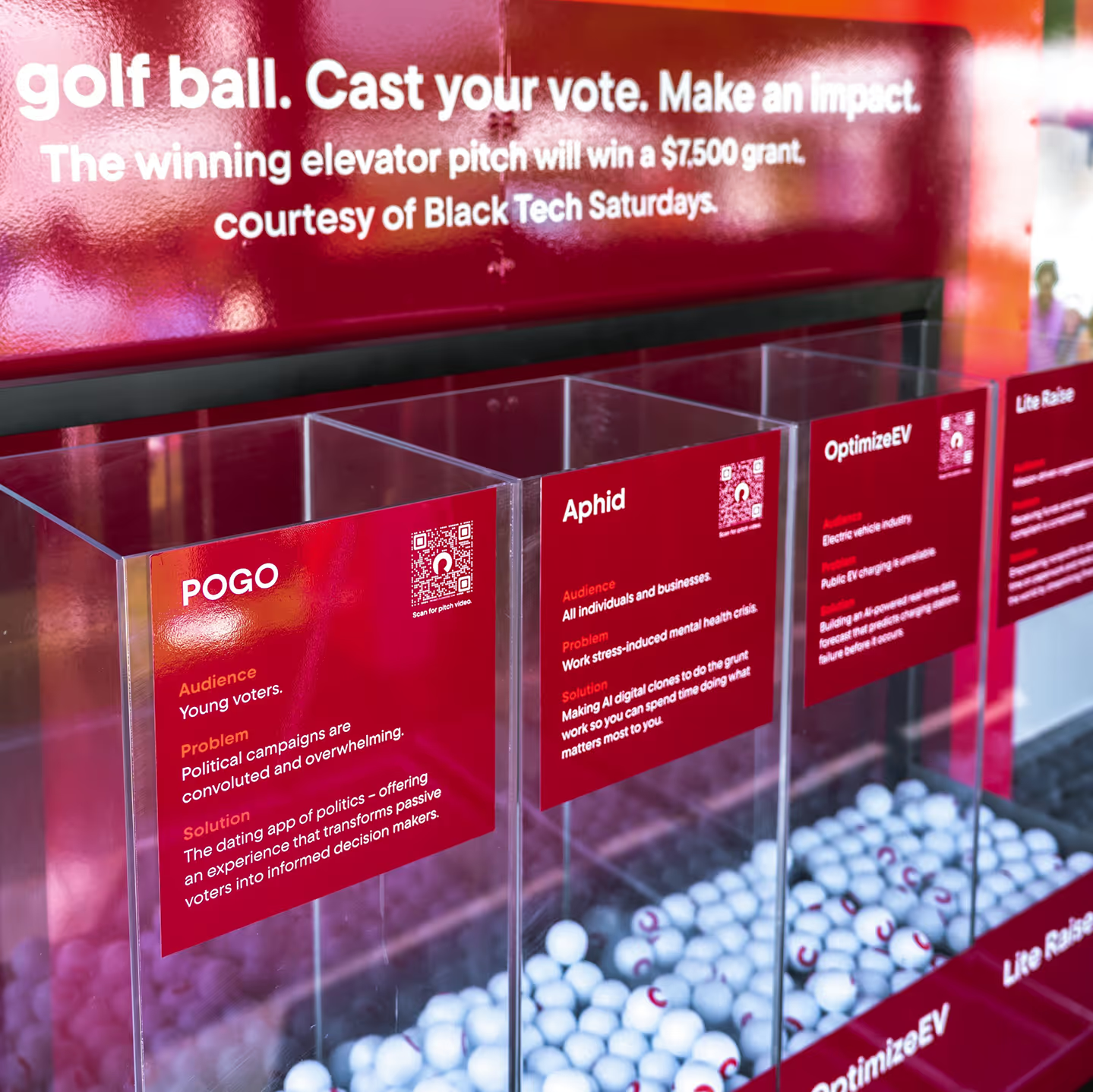
The voting kiosk turned passive information into active participation. Attendees could read about local Detroit residents seeking grants for community projects, then cast votes to help decide who received funding. This approach made visitors collaborators in the brand story rather than just observers, giving them a personal stake in the outcome.
Fun elements added entertainment value while supporting the message. The mini golf challenge with a branded loop-de-loop gave people a chance to show off their skills and interact with each other. This balanced the serious community messaging with entertainment, making the experience approachable while keeping the focus on community connection.
The lounge area gave people spaces to recharge and talk, supporting the community-building theme through design elements that encouraged interaction between attendees. Charging stations met practical needs while creating more opportunities for people to engage with the brand story.
This community-focused approach shows how brand activations can create real connections by aligning corporate messaging with actual community impact. The success came from making attendees participants in community development rather than just audience members for corporate communication.
Measuring Storytelling Impact
Experiential storytelling requires measurement systems that track both engagement and brand impact. Key metrics for narrative-driven campaigns extend beyond traditional event measurements to include:
- Story comprehension and message retention rates
- Emotional response indicators and brand sentiment changes
- Social media amplification and organic content generation
- Lead quality and conversion tracking from experience touchpoints
Tracking engagement across different parts of the experience shows which story elements get the best audience response. This information helps improve future storytelling while showing how story design affects audience behavior. Social media metrics reveal how well stories turn into shareable content that reaches beyond the original event.
ROI measurement for experiential storytelling connects story engagement to business goals. Lead generation, brand awareness increases, and changes in purchase intent show whether storytelling is working. These measurements help justify the investment in story-driven activations while spotting areas for improvement.
Activate: Where Brand Stories Come to Life
Activate creates brand connections through storytelling that combines creativity with results. Our expertise in brand activations, mobile tours, and experience kits allows us to work with clients to develop narratives that resonate with target audiences across touchpoints and environments.
Our process ensures every storytelling element aligns with client objectives while maintaining brand voice. From initial consultation through final measurement, we have the opportunity to manage every aspect of narrative development and execution, allowing clients to focus on their core business objectives while we handle the complexities of story-driven experience creation.
If you're ready to transform your brand messaging into experiences, connect with us to explore how storytelling can help achieve your marketing objectives.
Frequently Asked Questions
What are experiential storytelling methods and how do they differ from traditional advertising?
Experiential storytelling methods create brand narratives that audiences participate in, while traditional advertising delivers messages to recipients. These approaches use physical environments, interactive elements, and multi-sensory experiences to create emotional connections that drive engagement and brand recall.
How do experiential storytelling methods create measurable brand engagement?
These methods generate engagement through direct audience participation, extended interaction times, and multi-touchpoint experiences. Metrics include dwell time, social media amplification, lead generation, and brand recall improvements that demonstrate connections between narrative experiences and business outcomes.
What types of brands benefit most from experiential storytelling methods?
Brands with value propositions, community-focused missions, or product experiences that require demonstration benefit from these approaches. Companies seeking to build emotional connections, differentiate from competitors, or engage demographics find narrative-driven activations effective.
How do you design brand activations that tell compelling stories?
Story-driven activations begin with narrative objectives that align with brand values and audience interests. Design elements, interactive components, and engagement opportunities are then developed to support the story arc while creating opportunities for participation rather than observation.
What elements make experiential brand stories memorable for audiences?
Brand stories combine emotional relevance, sensory engagement, and personal participation opportunities. Multi-zone experiences that guide audiences through narrative journeys, interactive elements that create personal investment, and connections to audience values and interests drive recall.
How do experiential storytelling campaigns generate social media content?
Story-driven campaigns create social sharing opportunities through environments, interactive moments worth documenting, and experiences that audiences want to share with their networks. Photo opportunities and shareable elements are included throughout the narrative journey to increase amplification.
What's the difference between experiential storytelling and event marketing?
Experiential storytelling focuses on creating narrative-driven experiences that communicate brand values through participation, while event marketing typically emphasizes attendance, networking, or product promotion. Storytelling approaches prioritize emotional connection and message retention over sales objectives.
How long does it take to develop effective story-driven brand activations?
Development timelines vary based on activation complexity, but most story-driven campaigns require 3-6 months from initial concept through execution. This includes narrative development, environmental design, production, and testing phases that ensure all storytelling elements align with objectives and create audience experiences.