
How Immersive Brand Centers Transform Brand Engagement
Immersive brand centers demonstrate a shift from passive advertising to active consumer participation. These physical spaces—whether pop-up installations, trade show experiences, or event activations—create environments where brands control every touchpoint of the consumer journey. Rather than simply displaying products, immersive brand centers engage audiences through strategic design, interactive elements, and multi-sensory experiences that create lasting impressions. Activate creates these experiences through brand activations and mobile tours. From concept development to on-site execution, each element is designed to meet specific marketing objectives while delivering results.
What Are Immersive Brand Centers?
Immersive brand centers are physical spaces where brands exercise control over the environment and consumer journey. Unlike traditional advertising that audiences passively observe, these centers invite active participation through hands-on product interaction and engagement. Every element—from the entry sequence to the final touchpoint—reinforces the brand narrative and creates opportunities for connection.
The defining characteristics of immersive brand centers include interactive elements that encourage exploration, storytelling frameworks that guide the consumer experience, direct product engagement opportunities, and sensorial components that create emotional resonance. These spaces transform standard marketing approaches into experiences that audiences choose to participate in.
Immersive brand centers take various forms depending on marketing objectives. Pop-up installations create temporary branded environments in high-traffic locations. Event activations transform venues into experiential spaces during gatherings. Trade show experiences convert booth spaces into interactive brand destinations. Mobile tour stops bring branded experiences directly to target markets across multiple cities. Each format serves distinct purposes while maintaining the core principle of controlled, immersive engagement.
The value of these physical experiences lies in their ability to create connections that digital marketing alone cannot replicate. Face-to-face interactions build trust, hands-on product demonstrations deepen understanding, and shared experiences generate organic social amplification that extends reach far beyond the physical footprint of the activation.
How Immersive Brand Centers Drive Brand Engagement
Direct consumer connection forms the foundation of immersive brand centers. Face-to-face interactions create opportunities for relationship building that digital channels struggle to replicate. Brand ambassadors can answer questions in real time, address concerns, and adapt messaging based on individual consumer needs. This approach builds trust and creates brand associations that persist long after the experience concludes.
The controlled brand narrative within immersive brand centers ensures consistent messaging across every touchpoint. From visual design to staff training to interactive elements, each component reinforces the core brand story. This consistency creates cohesive experiences where consumers receive clear, aligned messages regardless of which station they visit or which brand ambassador they interact with.
Key Elements of Successful Immersive Brand Centers
Design begins with consumer journey mapping that identifies key touchpoints and flow patterns. This planning phase considers how audiences will move through the space, which elements they will encounter first, and how each interaction builds toward the desired outcome. Careful planning ensures smooth transitions between stations while preventing bottlenecks that diminish the experience quality.
Successful immersive brand centers incorporate several essential components:
- Interactive stations that serve distinct purposes. Discovery stations introduce brand concepts and provide foundational information. Demonstration stations showcase product features through live presentations or hands-on trials. Education stations offer deeper information for engaged consumers seeking detailed knowledge. Product sampling stations provide tangible takeaways that extend the brand experience beyond the physical activation.
- Brand consistency across all touchpoints. Visual elements align with established brand guidelines while messaging remains on-strategy across all communication points. Brand ambassadors receive training to ensure consistent representation of values and voice, creating cohesive experiences where every element supports the central brand story.
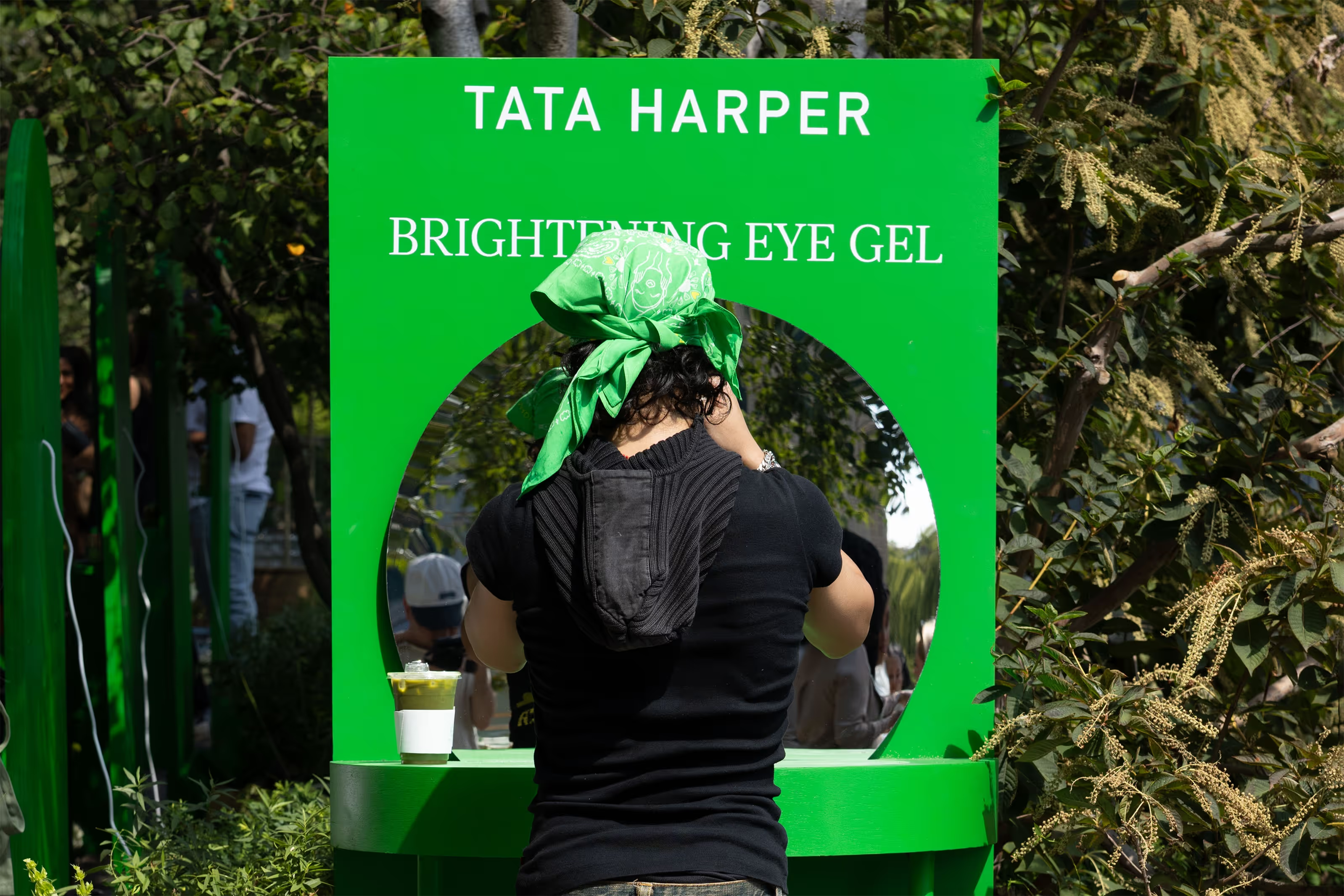
- Sensorial components that engage audiences beyond visual and auditory channels. Activate had the opportunity to execute Tata Harper's vision for the Radiance Runway on New York's High Line, creating a sensorial skincare experience. Facial stations allowed guests to feel product textures, a tonic bar engaged taste while reinforcing the natural wellness-focused brand positioning, and product displays showcased visual aesthetics. Photo moments and selfie mirrors created shareable content while a stamp card system gamified the journey and tracked engagement.
- Measurement systems that track performance against established KPIs. Clear metrics align with initial objectives, whether those focus on lead generation, brand awareness, product trial, or other goals. Data collection methods capture both quantitative information and qualitative feedback, demonstrating ROI while identifying areas for improvement in future activations.
Types of Immersive Brand Centers
Different formats serve different marketing objectives and audience needs:
- Pop-up events create temporary installations in high-traffic locations. These activations offer controlled environments where brands can create depth of experience without permanent real estate commitments. The temporary nature creates urgency and exclusivity that drives engagement.
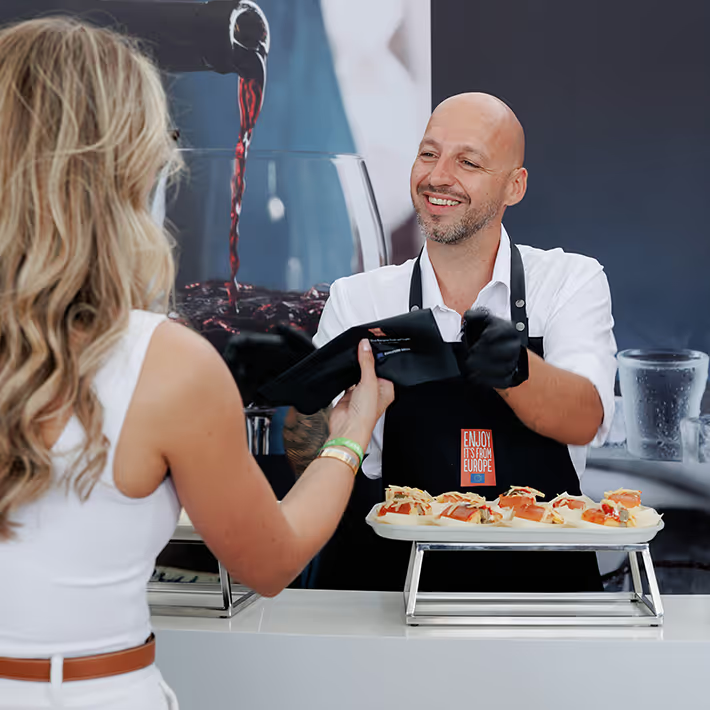
- Trade show brand centers transform standard booth spaces into immersive experiences that stand out on crowded show floors. Activate had the opportunity to work with Hopscotch on the European Union Food & Wine Festivals across multiple cities including Miami, Charleston, Pebble Beach, Brooklyn, and Aspen. Four distinct interactive stations served different functions: a Discovery Station provided information on European Union products, a Demonstration Station offered real-time consumable samples, an Education Station featured interactive tablets with reading materials and podcasts, and a Product Wall showcased items from all 27 EU countries.
- Brand activations leverage existing gatherings to create branded experiences for captive audiences. Sporting events, festivals, conferences, and cultural celebrations provide concentrated access to target demographics. High visibility within these contexts generates awareness while extended dwell time allows for deeper engagement than brief interactions permit.
- Mobile tours bring experiences directly to consumers across multiple markets. These traveling activations combine the controlled environment benefits of fixed installations with geographic flexibility that reaches audiences across regions. Mobile formats enable market testing, seasonal programming, and resource deployment across markets while maintaining consistent brand representation at each stop.
Activate: Creating Immersive Brand Centers That Deliver Results
Activate specializes in brand activations, mobile tours, and PR boxes. From concept development to final execution, the approach manages every detail—consumer journey mapping, interactive station design, staffing, logistics, and performance measurement.
Operating from a 75,000 sq. ft. facility in Metro Detroit, Activate provides the quality control that sets brand centers apart. Whether executing pop-up installations, trade show experiences, or traveling brand centers, the team focuses on attention to detail and measurable outcomes.
Experience with global brands demonstrates how immersive brand centers create connections that drive business results. From fashion week takeovers to multi-market tours, Activate executes brand visions in spaces where brand stories come to life.
Connect with us to explore how immersive brand centers can bring your marketing vision to life.
Frequently Asked Questions
What are immersive brand centers?
Immersive brand centers are physical spaces designed for multi-sensory brand experiences where brands control the environment and consumer journey. These centers invite active participation through hands-on product interaction, sensorial engagement, and storytelling. They can take the form of pop-up installations, trade show experiences, event activations, or mobile tour stops.
How do immersive brand centers create memorable brand experiences?
Immersive brand centers create memorable experiences through multi-sensory engagement that goes beyond visual marketing. Interactive stations serve different purposes—introducing brand concepts, demonstrating product features, and offering deeper education. The combination of sensorial elements, hands-on product discovery, and face-to-face interactions creates lasting impressions that persist after the experience concludes.
What types of immersive brand centers work best for different marketing objectives?
Pop-up brand centers work well for product launches and brand awareness in high-traffic locations. Trade show brand centers excel at B2B engagement and product education. Event activations suit large-scale consumer reach during sporting events, festivals, or cultural celebrations. Mobile brand centers serve multi-market campaigns, bringing experiences directly to consumers across different cities.
What elements make an immersive brand center effective?
Effective immersive brand centers include consumer journey mapping, interactive stations with clear purposes, brand consistency across all touchpoints, sensorial and digital elements that work together, and a strong logistics foundation. Technology supports rather than dominates human connection, while proper setup procedures, staffing strategies, and inventory management ensure consistent quality.
How long does it take to create an immersive brand center?
Timeline depends on the scale and complexity of the activation. Activate's process moves through seven phases: initial intake to determine goals, brainstorming strategic concepts, drafting proposals and budgets, finalizing contract terms, designing and producing the activation with daily client collaboration, managing on-site setup and operations, and reviewing event metrics. The production phase timeline varies based on fabrication scope, technology requirements, and staffing needs. Factors include venue complexity, custom fabrication, permitting processes, and the number of interactive stations or markets involved.
Can immersive brand centers be created for trade shows and events?
Yes. Trade show booth activations transform standard spaces into multi-station experiences with discovery areas, demonstration zones, education stations, and product displays. Event-based brand centers leverage existing gatherings like sporting events or festivals. Both formats are scalable depending on venue size, budget, and marketing objectives while maintaining controlled environments that guide the consumer journey.