
Creating Immersive Brand Events Through Live Experience Marketing
What turns a brand interaction into a lasting memory? Live events have consistently forged real connections between companies and their audiences, and immersive design is what pushes an event from memorable to unforgettable. This is live experience marketing: pairing a brand's message with a physical environment attendees can step into, touch, and react to in real time, something a screen can't replicate.
Immersive experiences envelop participants in a multi-sensory environment. Attendees stop watching and start participating, which is the whole difference between a passing impression and one that sticks. Live events bring the energy of an in-person gathering; immersive design is what turns that gathering into a live brand experience worth remembering.
That combination is what separates live experience marketing from traditional marketing: attendees don't just see the message, they move through it. Not every objective calls for a physical footprint (see Activate's take on in-person versus virtual activation for when a screen, or a virtual reality demo, is the better call), but a well-built experiential activation gives a brand something a banner ad never will. Below, we cover the design concepts behind live experiences like these, how to plan and staff one, and how to measure whether it worked.
Designing Immersive Experiences for Live Events
Design is what separates a fleeting interaction from a lasting impression. A basic live event fades from memory; a thoughtfully designed one keeps resonating with attendees after they've gone home. Four elements, built in sequence, are what turn a live event into an immersive experience that sticks.
1. Atmosphere and Sensory Engagement
Every immersive experience starts with engaging more than the eye, since real immersive elements always work on more than one sense at once. That means:
- Thoughtful lighting design that sets the mood and guides attention
- Ambient sound or music that complements the event's theme
- Tactile elements that invite interaction
- Scent choices that evoke a specific mood or memory
Orchestrated together, these sensory inputs build the atmosphere behind any engaging experience, not just a space attendees walk past. For a deeper look at how multi-sensory design works across formats, see our full breakdown.
2. Personalization and Brand Alignment
Once the atmosphere is set, the experience needs to read as this brand's, for this audience:
- Brand colors, logos, and themes carried through the event space
- Custom installations or activations built around the brand's values and messaging
- Personalized touchpoints that make each attendee feel individually considered
A guided quiz that routes each guest to a personalized product match, or a one-on-one consultation station, are two concrete ways Activate has built this in, and both work well across product launches, retail pop-ups, and consultation-style stations alike. They give attendees something tailored to them rather than a generic pass-through, which is what customer engagement actually looks like up close. The brand's identity carries through every part of the event, reinforcing recognition and loyalty rather than sitting on top of it.
3. Crafting Narrative Arcs
With atmosphere and personalization in place, storytelling gives the event a shape attendees move through, not just a room they stand in. A narrative arc can:
- Guide attendees through an arc that unfolds over the course of the event
- Build emotional connections that outlast the moment the event concludes
- Reinforce core brand messages in a way attendees remember
Structured this way, an event stops being a series of disconnected moments and becomes one story attendees actively take part in.
4. Reinforcing Brand Messaging Through Immersion
Every element above should point back to the same core message. That happens through:
- Visual metaphors that represent brand values
- Interactive elements that let attendees engage with brand concepts directly
- Memorable moments tied to the brand's mission
Interactive elements are what turn a passive audience into active participants, which is the whole point of building an immersive live event instead of a standard one.
Consumer and internal audiences call for different weighting across these four immersive elements: a consumer launch leans harder on sensory design and shareable moments, while an internal team-building event puts more weight on narrative and staff-led interaction, both aiming at the same engaging experience from different angles. The read-through: build atmosphere first, personalize second, layer in story third, and let messaging run through all three rather than bolt on at the end.
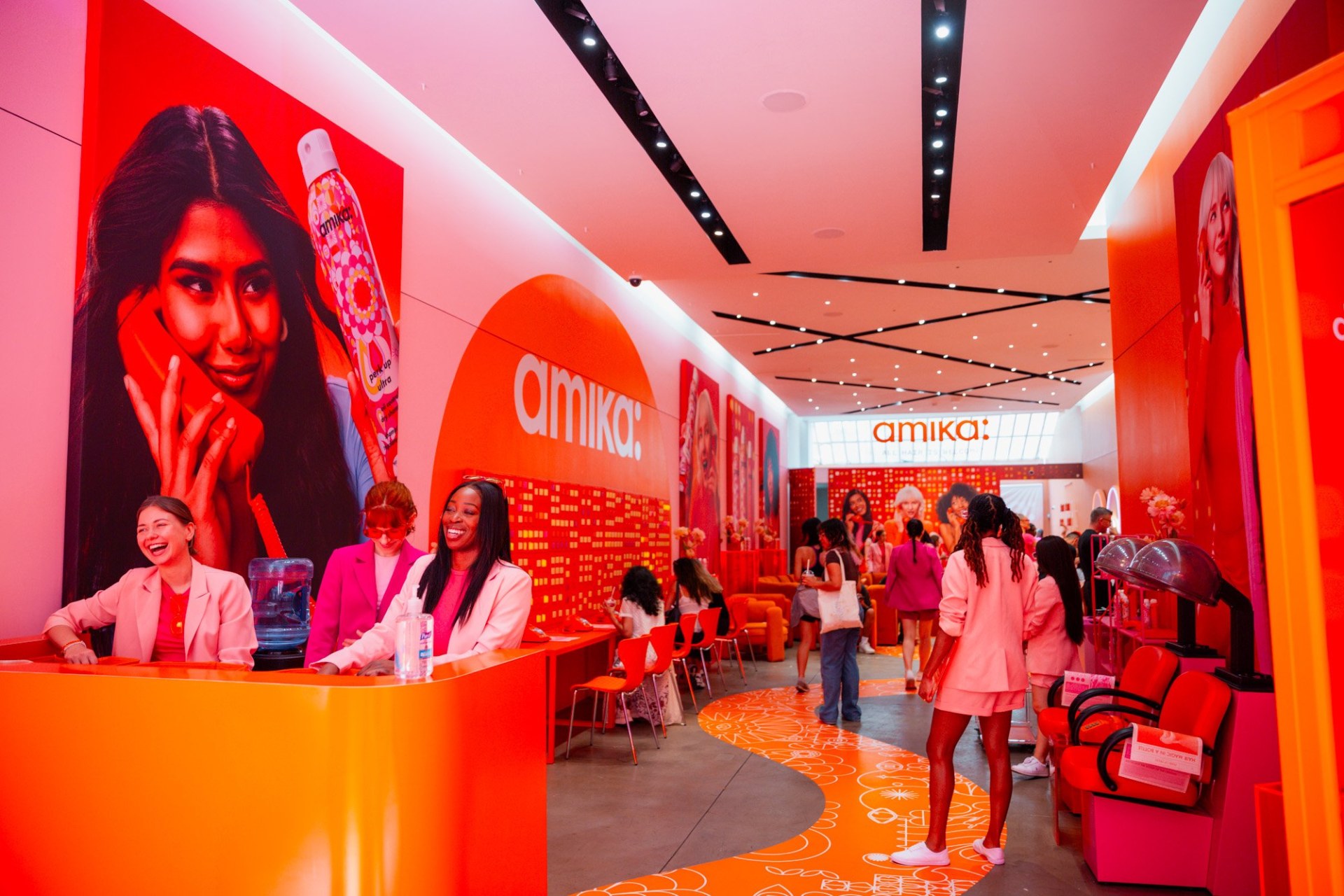
Amika's "Perk Up Salon" pop-up in NYC is a working example of steps 2 and 4 together: personalized hair consultations and a "hair-apist" call center gave visitors something built around them specifically, while the orange-and-red color scheme and glam-shot photo studio kept Amika's identity present throughout. For the full case, see Amika's Perk Up Salon project.
Want the fuller build behind a brand activation like this? Explore Activate's brand activation work.
Planning and Executing Impactful Live Events
A poorly managed event does more damage than no event at all: without a plan, even a strong creative concept can turn to chaos and leave attendees with the wrong impression. No creative concept survives contact with a venue that wasn't properly vetted. Three steps, in sequence, are what keep that from happening.
Step 1: Setting Clear Objectives and KPIs
Every successful event starts with objectives and KPIs defined up front:
- Specific, measurable goals for the event
- Alignment with broader marketing strategy and business objectives
- The metrics that will define success
Setting these early creates a roadmap for the rest of event planning, so every later decision has something to check itself against, and traditional marketing metrics alone won't tell you if it worked.
Step 2: Audience Targeting and Personalization
With objectives set, the next question every team of event planners has to answer is who's actually attending:
- Research into attendee preferences and expectations
- Personas that guide decisions through the rest of planning
- Personalized touchpoints that make each attendee feel considered
Tailoring the experience to the audience's specific needs, rather than a generic crowd, is what increases engagement and builds a real connection.
Step 3: Logistics and Operational Considerations
The last step is making the first two steps actually happen on-site:
- A venue that can support the immersive elements planned. Power supply, loading access, layout flexibility, and noise allowances all factor in; see Activate's guide to selecting an experiential venue for the full list.
- Vendor coordination so every component works together
- Contingency plans: a weather backup for any outdoor element, a vendor delay plan, and a staffing gap covered by Activate's local-hiring network
Careful planning across all three steps is what makes an event look effortless to the people attending it. Live event activations typically start around $50,000, with the final figure set by footprint, fabrication complexity, and staffing; most move from kickoff to event day in two to twelve weeks.
Want to see these immersive elements put together end to end, across event types from product launches to trade shows? Explore Activate's brand activation work.
The Role of Talent and Staffing in Live Event Success
Technology and visuals only get a fully immersive event so far. Brand ambassadors are the ones actually engaging attendees, guiding them through the space, and creating the personal connections that turn a good event into one people still talk about after the event concludes.
A few types of talent typically contribute:
- Performance artists who bring the event's theme to life
- Technical experts who manage interactive installations
- Storytellers who lead attendees through the narrative
- Support staff who keep operations running behind the scenes
Getting a team ready to do that well takes real preparation, not just a headcount: a briefing on the event's narrative and objectives, hands-on practice with the technology or interactive elements they'll be running, and enough latitude to adapt when something doesn't go to plan. QR-code check-ins and other light digital touchpoints handle data capture on flow and engagement in real time, so adjustments happen mid-event instead of after.
At Activate, we treat brand ambassador staffing, talent negotiations, and PR collaborations as one process, matching each event with professionals suited to its specific requirements, so the people on-site reflect the brand's tone as much as the physical design does.
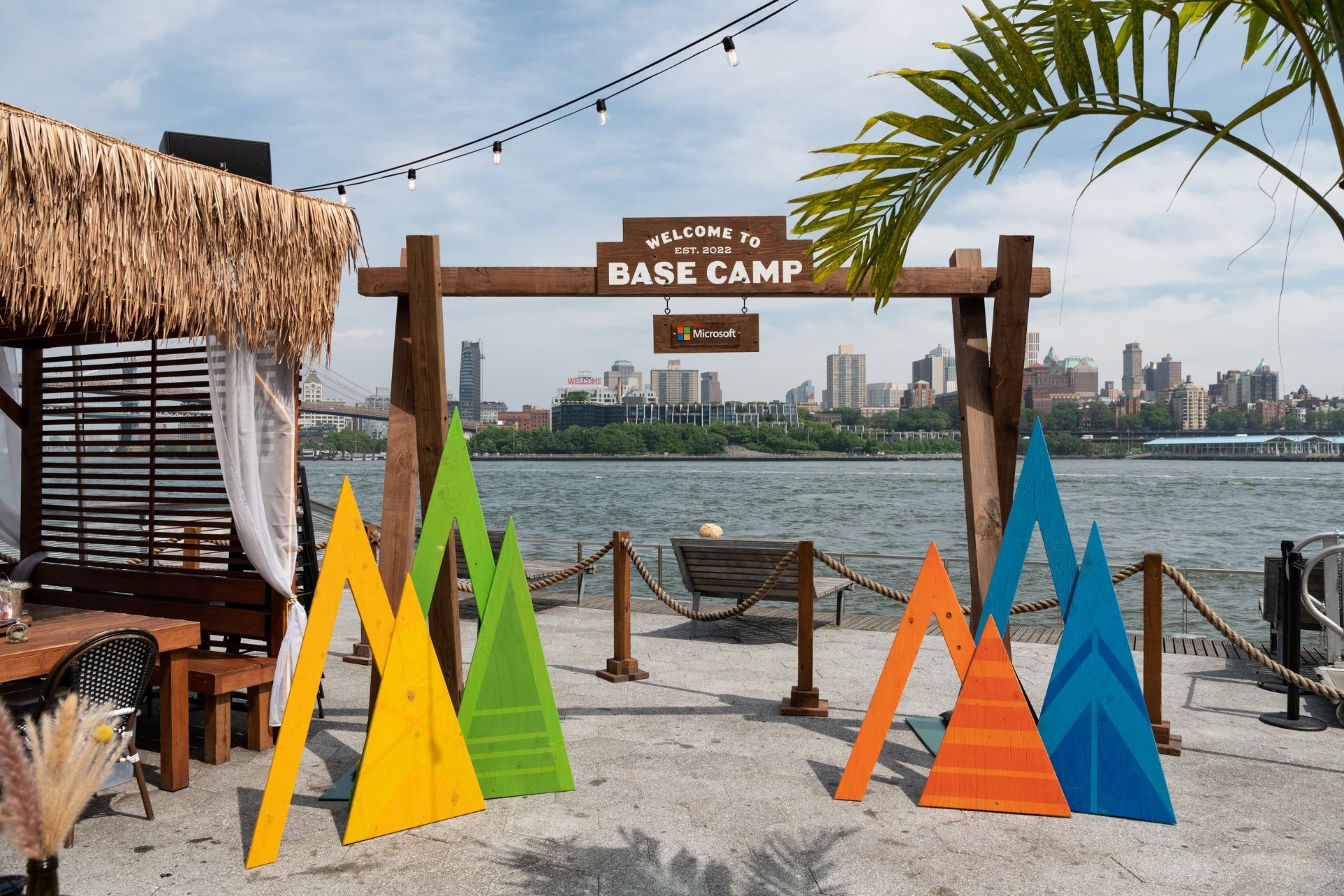
One example of what corporate team-building activation looks like when staffing gets this kind of attention: a Microsoft summer-camp-themed gathering in 2022 paired nostalgic games and themed photo ops with a welcoming "camp counselor" persona serving refreshments in on-theme attire, so every staff interaction stayed in step with the theme rather than just the physical set.
Measuring the Impact of Immersive Experiences in Live Events
Design and staffing only prove out with real measurement behind them. Tracking measurable performance is what quantifies success, surfaces what to improve, and shows stakeholders the return on an immersive build; without it, experiential marketing success is just an opinion.
Key Performance Indicators (KPIs) for Immersive Events
The right KPIs depend on the audience, but every one of them should convert to measurable results, and measurable performance is the only version of success stakeholders will actually sign off on:
- Consumer-facing events: attendance rates, social media sentiment
- Internal team-building events: employee satisfaction scores, team collaboration improvements, post-event engagement levels
- Both: participation rates in group activities, shifts in cross-department communication, and other proxies for customer engagement
For typical ranges across these metrics, see Activate's experiential marketing benchmarks. Good data capture at the event itself is what makes any of this measurable performance possible in the first place, rather than a guess after the fact.
Improving Future Events Through Data Analysis
The real value of measurement is whether it helps the next event deliver measurable results:
- Trends and patterns in attendee behavior and preferences
- Which immersive elements had the biggest impact
- Where the experience fell short of expectations
A thorough read of this data capture is what lets each future event improve on the last one instead of repeating it, turning one event's measurable results into the next event's starting point.
Connecting Immersive Elements to Business Outcomes
The success of an immersive live event should tie back to real business results:
- How immersive experiences influenced purchasing decisions
- Impact on brand loyalty and customer lifetime value
- The event's contribution to broader marketing and business goals
For the full model on attributing event results back to business outcomes, see Activate's guide to experiential marketing ROI.
Plan Your Brand Experience Today
As an experiential marketing agency, Activate designs live events, mobile tours, and experience kits that turn event marketing into a real connection between brand and audience, tailored to your specific goals. Every event planning team we assemble works from the same brief: your objectives, your audience, your brand, not a template.
Our team works across industries to design and execute events that reflect your brand's actual identity, whether that's product launches, trade show presences, corporate gatherings, or intimate VIP activations, each built to your objectives, budget, and timeline. Live brand experiences at this scale span more than one of these event types, which is why our event planners work across formats rather than defaulting to one.
We handle logistics, staffing, and creative design in-house, drawing on an established vendor and venue network to deliver events that hold together from first sketch to final recap, so every deliverable ties back to measurable results and traditional marketing budgets go toward something people actually remember.
Connect with our team to start planning your next live event.
Frequently Asked Questions
What are the benefits of experiential marketing?
Experiential marketing increases brand awareness, improves customer engagement, and drives higher conversion rates. It also surfaces direct customer feedback and creates shareable content that extends an event's reach past its physical attendees.
What makes a live event successful?
A successful live event aligns closely with the brand's values and resonates with the target audience. It gives attendees a genuine, engaging experience that invites participation and creates a positive reaction, one that holds up well after the event concludes. Clear objectives, tight execution, real opportunities for interaction, and ties to the broader marketing plan are the common threads.
What types of live events does Activate specialize in?
Activate specializes in a wide range of live events, including product launches, brand activations, corporate gatherings, trade events, and experiential marketing campaigns. We build custom experiences ranging from intimate VIP events to large-scale public activations, tailored to each client's scale and complexity, and every one of them is measured against the event's contribution to the client's broader marketing strategy.