
Multi-Sensory Activations: How Brands Build Authentic Consumer Connections
Consumers scroll past thousands of images daily, developing an automatic filtering mechanism that renders most visual marketing invisible. Traditional advertising yields diminishing returns, leaving brands searching for more effective ways to connect with audiences. Multi-sensory activations address this by creating real-world brand interactions that engage multiple senses at once, producing immersive experiences that drive measurable business results across live events, mobile tours, and curated unboxing moments.
What Is Sensory Marketing?
Sensory marketing creates brand experiences that engage sight, sound, touch, taste, and smell through activations, mobile tours, and curated kits. This builds environments where audiences interact with brands across multiple sensory channels rather than relying solely on visual messaging.
Where conventional marketing relies on visual elements like logos, colors, and imagery, sensory marketing orchestrates multiple sensory inputs to create cohesive brand experiences. In live brand activations, the five senses work together to reinforce brand messaging and create lasting impressions.
Benefits of Sensory Brand Experiences
When brands execute well-planned sensory brand experiences, they see tangible results across business metrics:
- Social media engagement increases through photo-worthy moments and shareable content
- Participants spend more time at activations when multiple senses are engaged
- Word-of-mouth grows from memorable interactions
- Brand recall improves compared to single-channel advertising
- Interactive elements capture consumer data and preferences
- Brand differentiation strengthens in competitive markets
- Purchase intent and customer lifetime value improve
How Sensory Experiences Drive Consumer Action
Sensory experiences stick with people longer than visual-only campaigns because they engage the whole body during brand interactions. Moments that combine sight, sound, touch, taste, and smell help participants form stronger connections that influence future purchasing decisions. This holds particular value for global brands managing activations across multiple markets, where sensory combinations create unified brand experiences that transcend language barriers and cultural differences.
What Each Sense Contributes to Brand Activations
Multi-sensory activations work because each sense plays a distinct role in how audiences experience and remember a brand. Understanding what each contributes helps brands design activations that use the full sensory toolkit:
Sight: Visual Storytelling and Environmental Design
Visual elements establish recognition and set atmospheric tone through lighting, color temperature, spatial design, and graphic elements. Sensory marketing extends beyond logo placement to create immersive visual environments where color choices, custom fabrication, and dimensional installations communicate brand messaging while creating shareable photo moments.
Sound: Audio Branding and Atmospheric Design
Audio branding includes ambient sounds that set the emotional tone, interactive sound effects that respond to participant actions, and branded audio elements that reinforce brand identity. The right audio combinations increase engagement time and improve brand recall, turning spaces into branded environments that support campaign goals.
Touch: Tactile Experiences and Product Interaction
Tactile elements communicate quality and encourage deeper engagement with brand offerings. Touchable displays, on-site customization options, and material choices that reflect brand quality create stronger connections than passive observation alone.
Smell: Scent and Ambient Experience
Ambient fragrance can transport participants to specific environments, trigger associations, and reinforce brand stories. Scent works best when it supports the overall narrative rather than operating as an isolated element.
Taste: Sampling and Culinary Brand Moments
Taste experiences create immediate associations and encourage social sharing. Food elements tied to brand colors and messaging generate moments that participants discuss with others, extending activation reach beyond physical attendance.
Building Multi-Sensory Brand Activations
Sensory activations work when sensory elements support specific business goals rather than adding components for novelty alone. These campaigns combine environmental design, interactive technology, and carefully selected touchpoints that align with campaign objectives:
Environmental Design and Visual Storytelling
Visual elements create branded environments that guide how consumers move through and interact with a space. Lighting, custom fabrication, and dimensional installations encourage social media engagement while reinforcing campaign goals.
Hands-On Brand Interactions
Direct product interaction creates stronger connections than passive observation:
- Live personalization stations where consumers customize products on-site
- Touch-responsive displays that react to user interaction
- Material choices that communicate brand quality through texture
- Interactive activities that increase dwell time
- Branded takeaways that extend the experience
Audio and Sound Strategy
Sound design adds depth to brand experiences through music, ambient soundscapes, and interactive audio. Background music sets the atmosphere while interactive sound maintains engagement, supporting campaign goals throughout the consumer journey.
How to Implement Sensory Strategies in Brand Activations
Successful sensory marketing requires planning and coordination across multiple touchpoints. Marketing teams must account for audience preferences, technical requirements, and operational complexity when designing multi-sensory experiences. Implementation steps include:
- Conduct Audience Research: Identify sensory preferences and potential sensitivities within the target demographic before selecting sensory elements
- Map Sensory Preferences: Different demographic groups respond to sensory stimuli in varying ways, making audience analysis critical for effective experience design
- Balance Sensory Intensity: Coordinate sensory elements to support unified brand messaging rather than competing for attention
- Plan Participant Flow: Design engagement sequences that guide participants through sensory experiences in logical progression from entry to exit
- Address Technical Infrastructure: Plan for scent delivery systems, audio equipment, lighting controls, and interactive technology during the design phase
- Establish Safety Protocols: Implement safety testing and maintenance procedures for all tactile components and sensory delivery systems
- Secure Venue Requirements: Confirm venue capabilities for electrical load, ventilation, and space modifications needed for sensory installations
- Create a Measurement Framework: Establish clear metrics for assessing sensory element effectiveness, participant engagement, and brand perception changes
Multi-Sensory Activation Venues
Sensory activations need to perform at outdoor festivals, retail locations, and corporate events alike. Each venue presents unique challenges for sound, lighting, and crowd flow, but the core sensory experience must remain consistent across locations:
Pop-Up Experiences and Temporary Installations
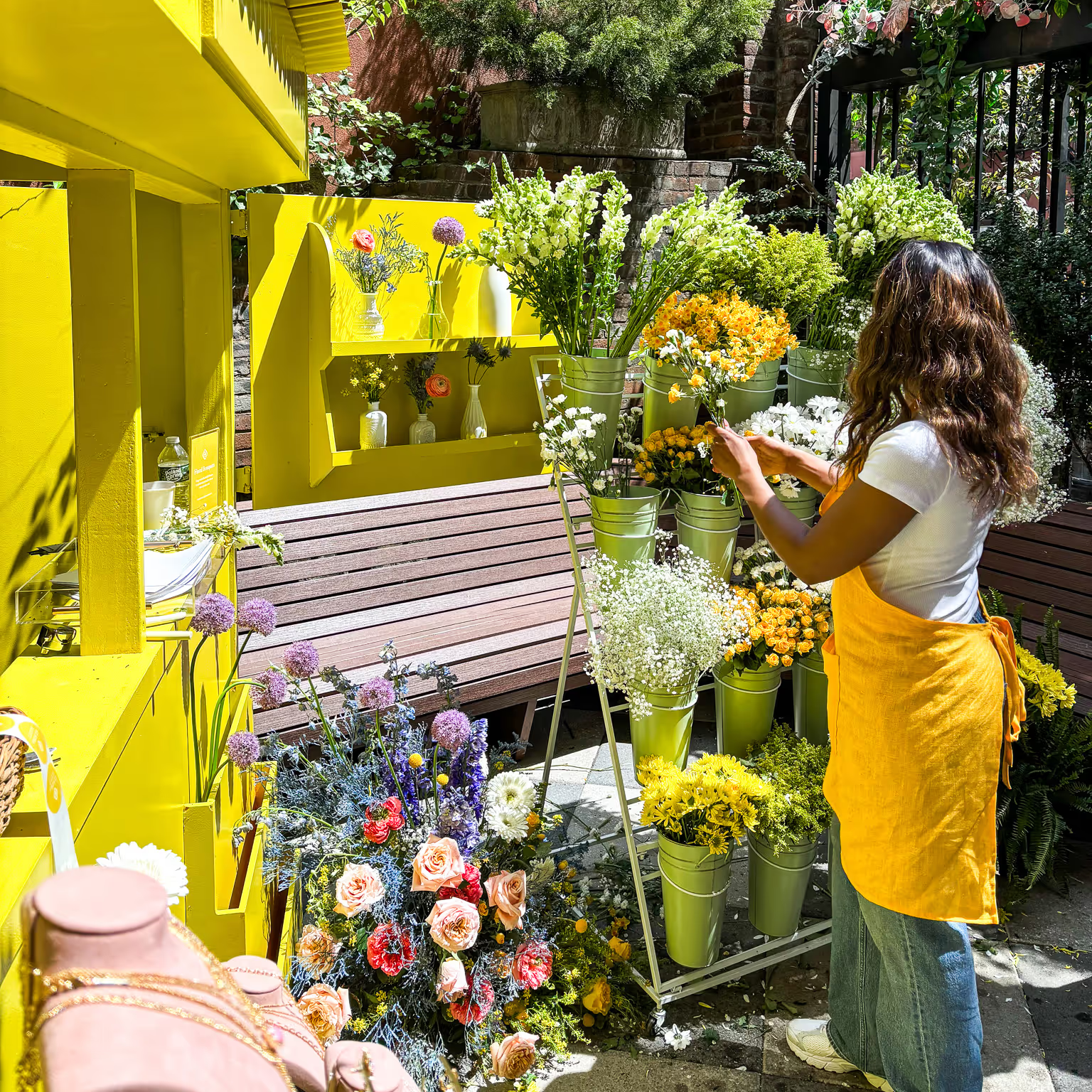
Temporary brand installations create urgency while delivering concentrated sensory experiences. The Coach Tabby Tour used a custom shipping container with dimensional foam purses, coordinated ice cream flavors, and color-matched giveaways to create a cohesive brand moment on college campuses. The Kendra Scott Mother's Day activation combined floral framing activities, custom conversation cards, and jewelry customization stations to create multiple sensory touchpoints in an urban setting.
.avif)
Event Marketing and Live Activations
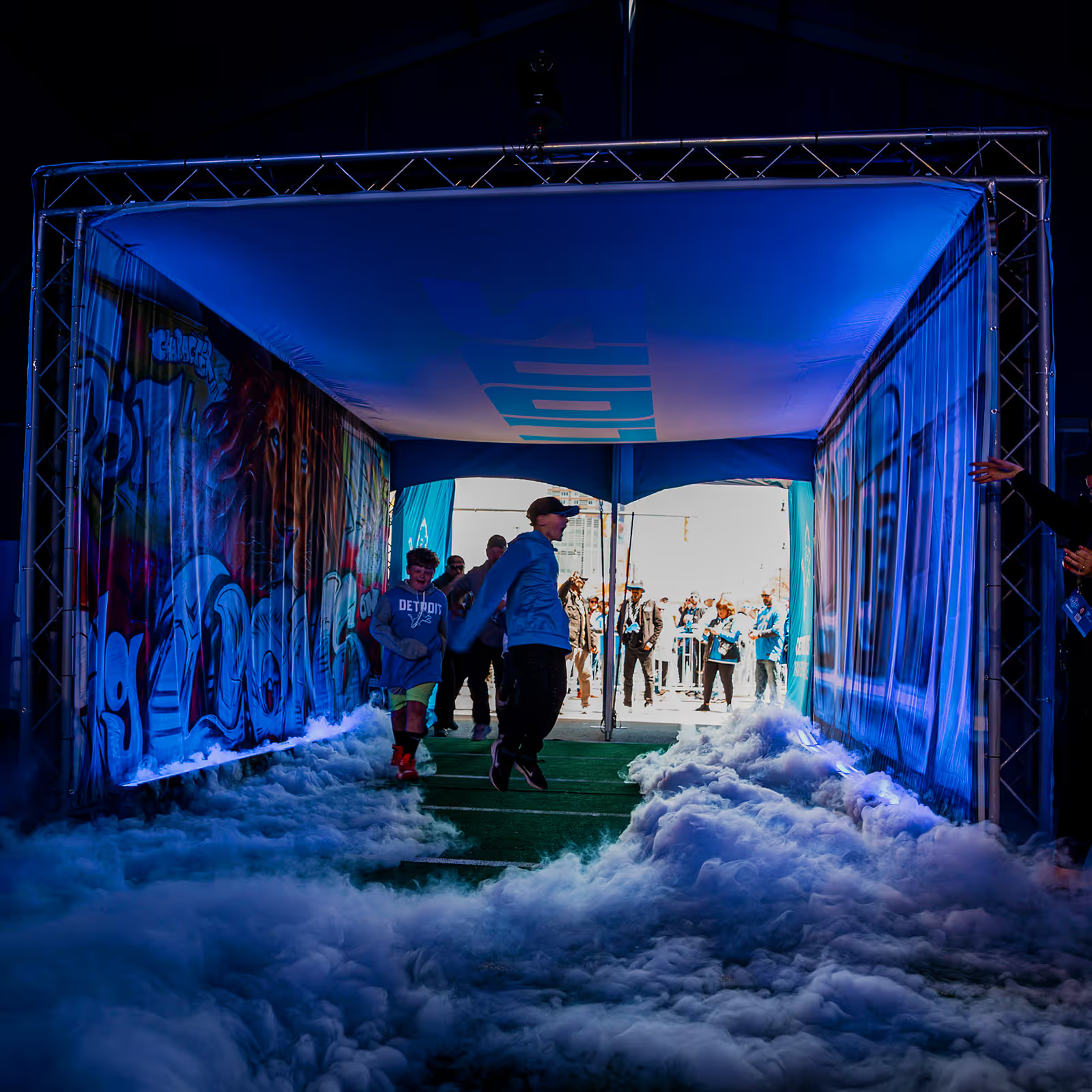
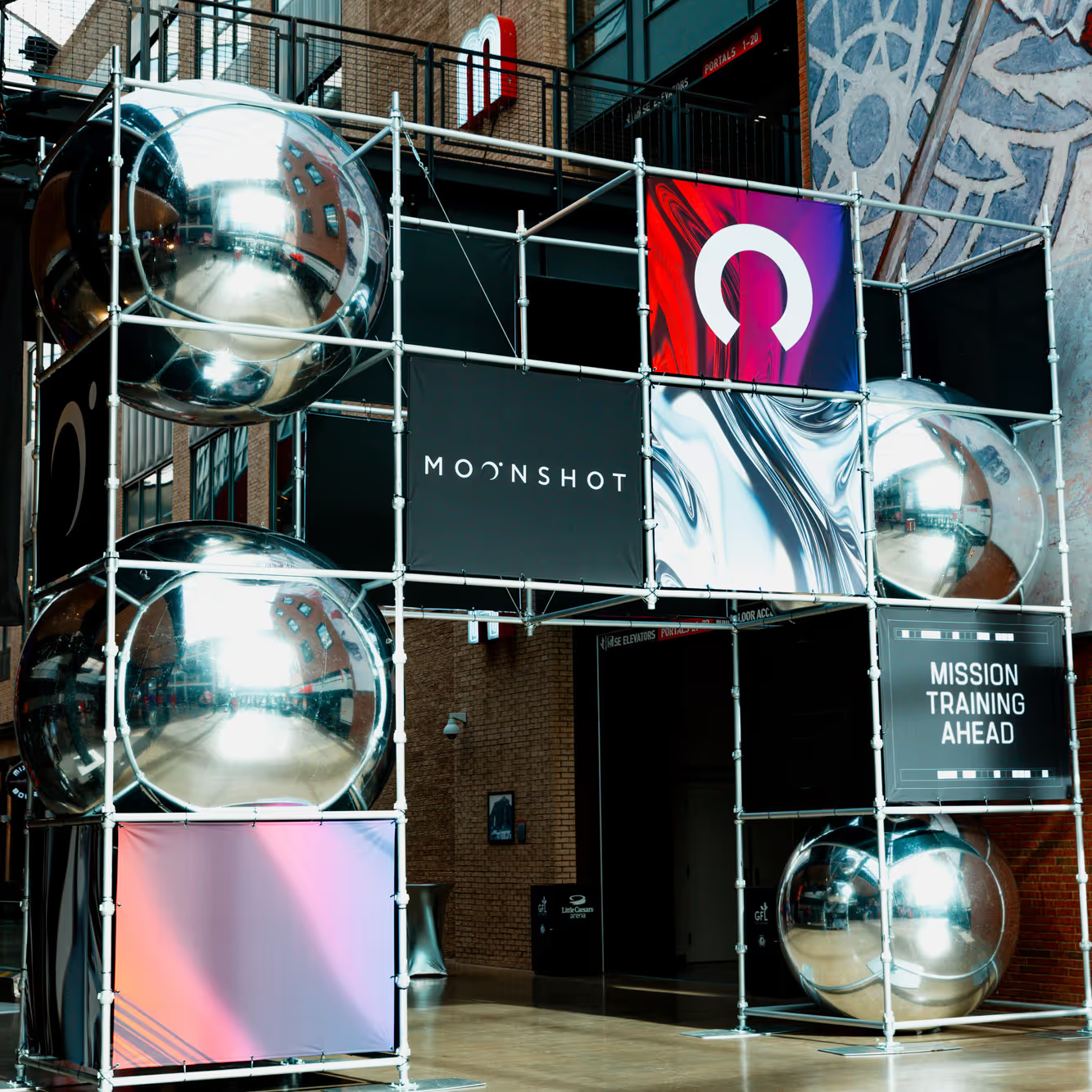
Large-scale sensory marketing events accommodate high-volume consumer interactions through multiple sensory zones, including the Detroit Lions' cryo-fueled entrance tunnel, the Rocket Moonshot scaffolding entrance with chrome inflatables, live entertainment zones with fog cannons and branded stages, and branded takeaways that extend the experience beyond the event.
Mobile Tours
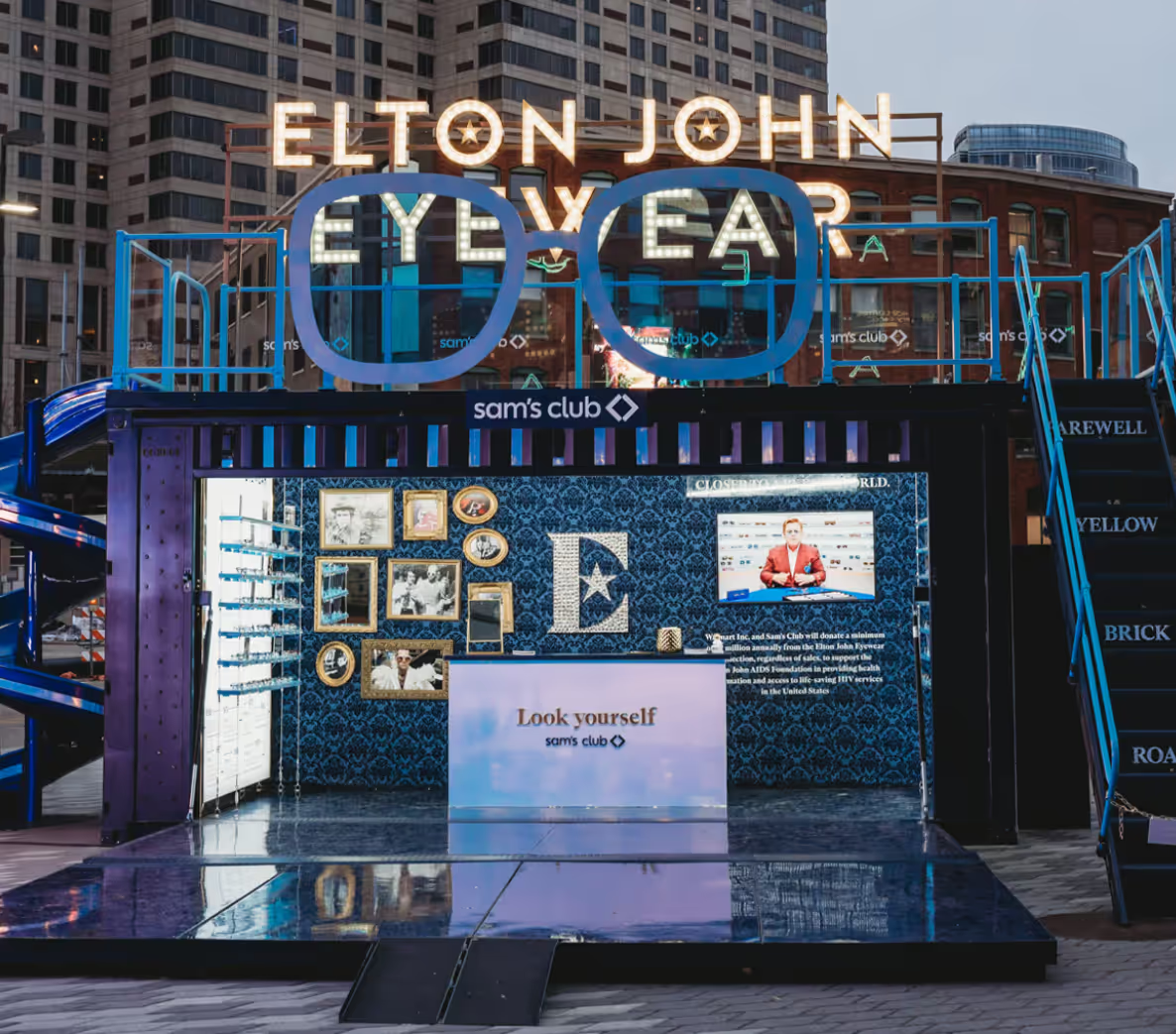
Mobile tours bring consistent sensory experiences to multiple markets while adapting to local venues. The Elton John Eyewear tour used a custom double-decker shipping container with oversized glasses, marquee signage, and a spiral slide to create memorable moments at arena stops. The Coach Tabby activation maintained the same ice cream container concept, purse displays, and color coordination across college campuses nationwide.
PR Kit Experiences
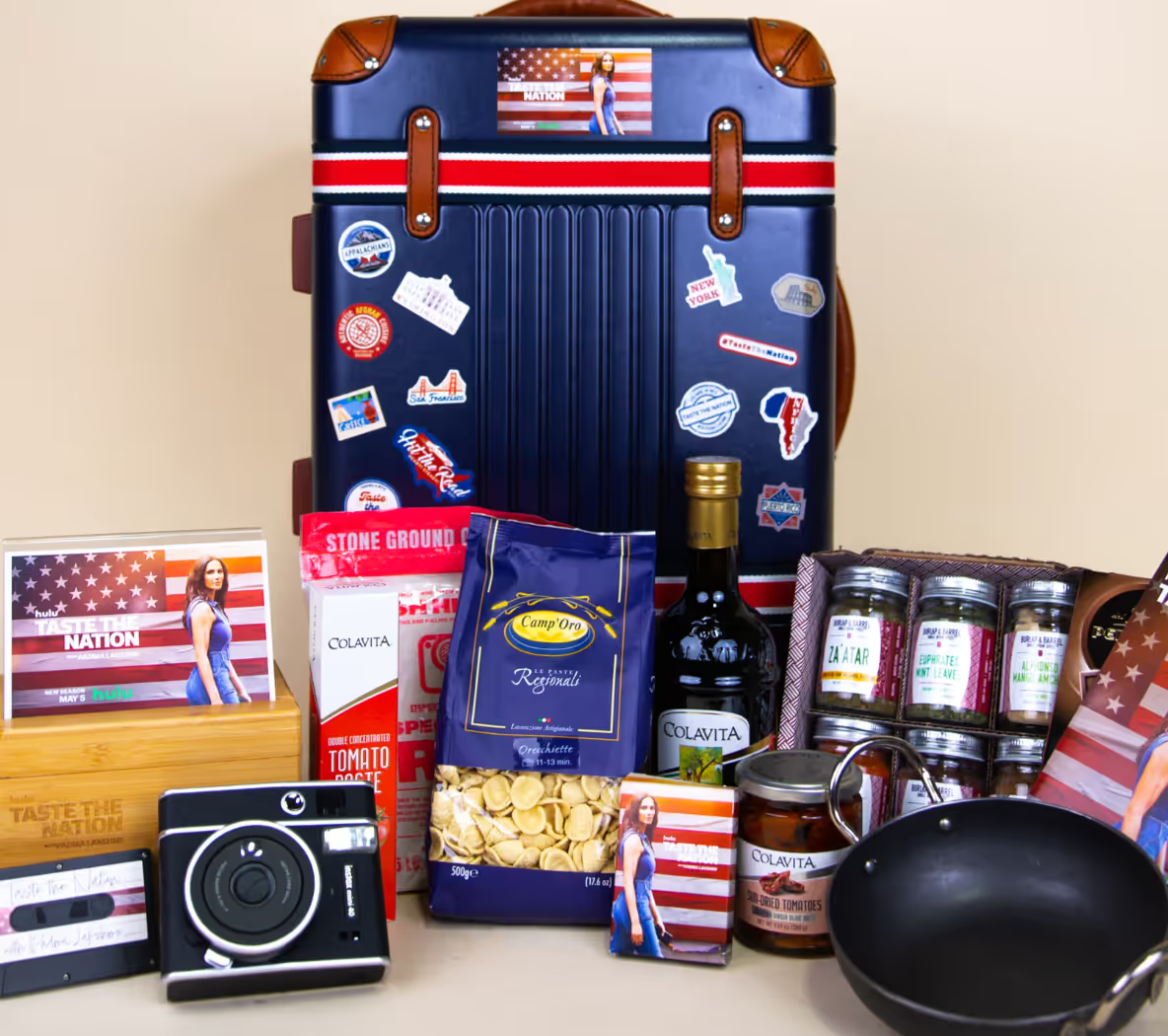
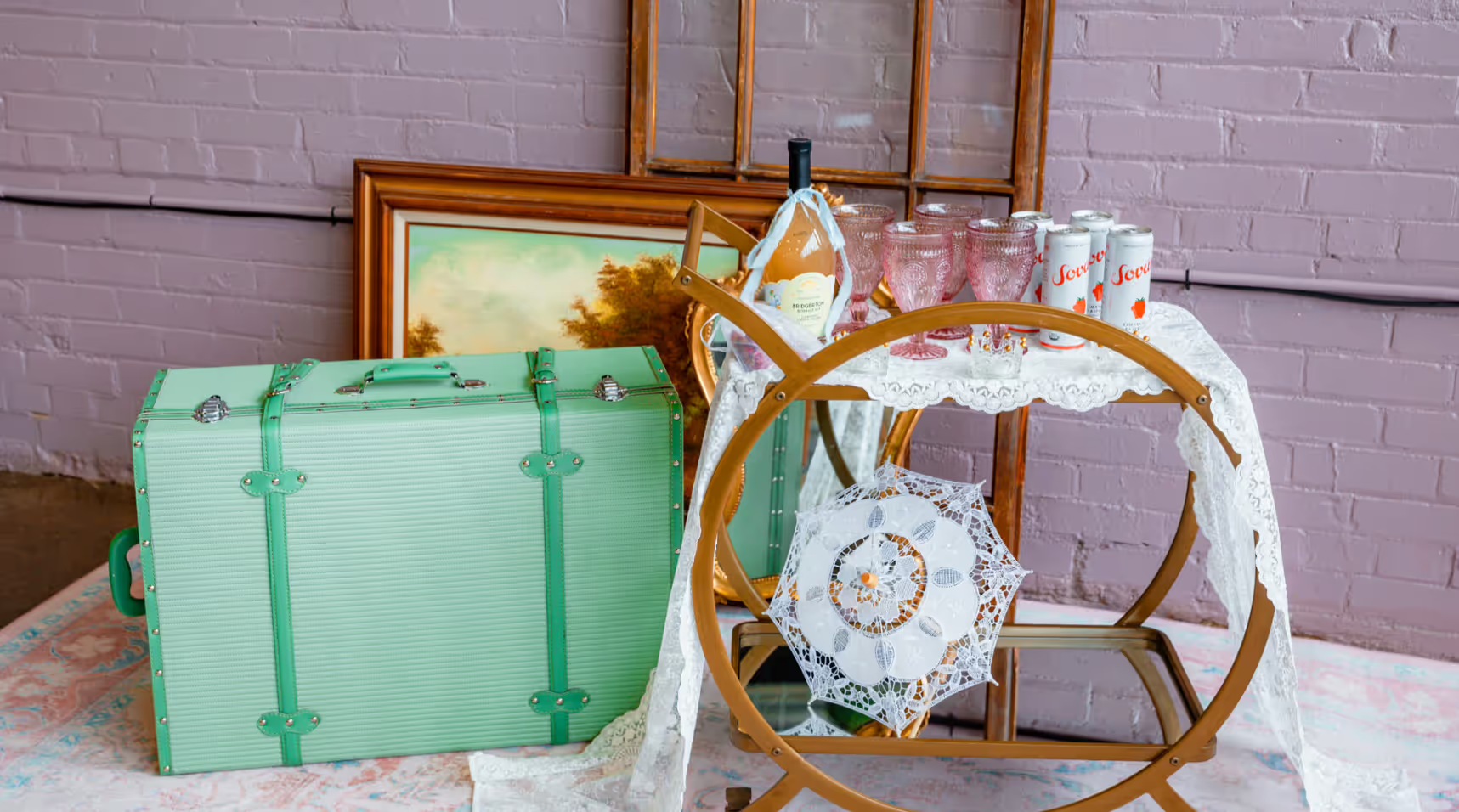
Curated unboxing experiences deliver multi-sensory brand moments directly to target audiences through carefully selected items, including the Taste The Nation Instax camera with custom film frames, bamboo card boxes with recipe dividers, specialty food items tied to brand stories, playlist cards and portable speakers, and the Bridgerton trunk with Regency-era packaging details.
Technology in Sensory Experiences
Digital features add interactive layers to multi-sensory brand activations that physical experiences alone cannot provide. LED displays and touch-responsive screens create additional engagement opportunities while collecting consumer data. Technology works best when it supports the physical experience rather than becoming the main focus:
- QR codes that unlock exclusive content or product information
- Social media prompts that encourage photo sharing and tagging
- Data collection through interactive quizzes and preference surveys
- Touch screens that showcase product details and customization options
- AR features that overlay digital content onto physical spaces
Case Study: Camp Romper
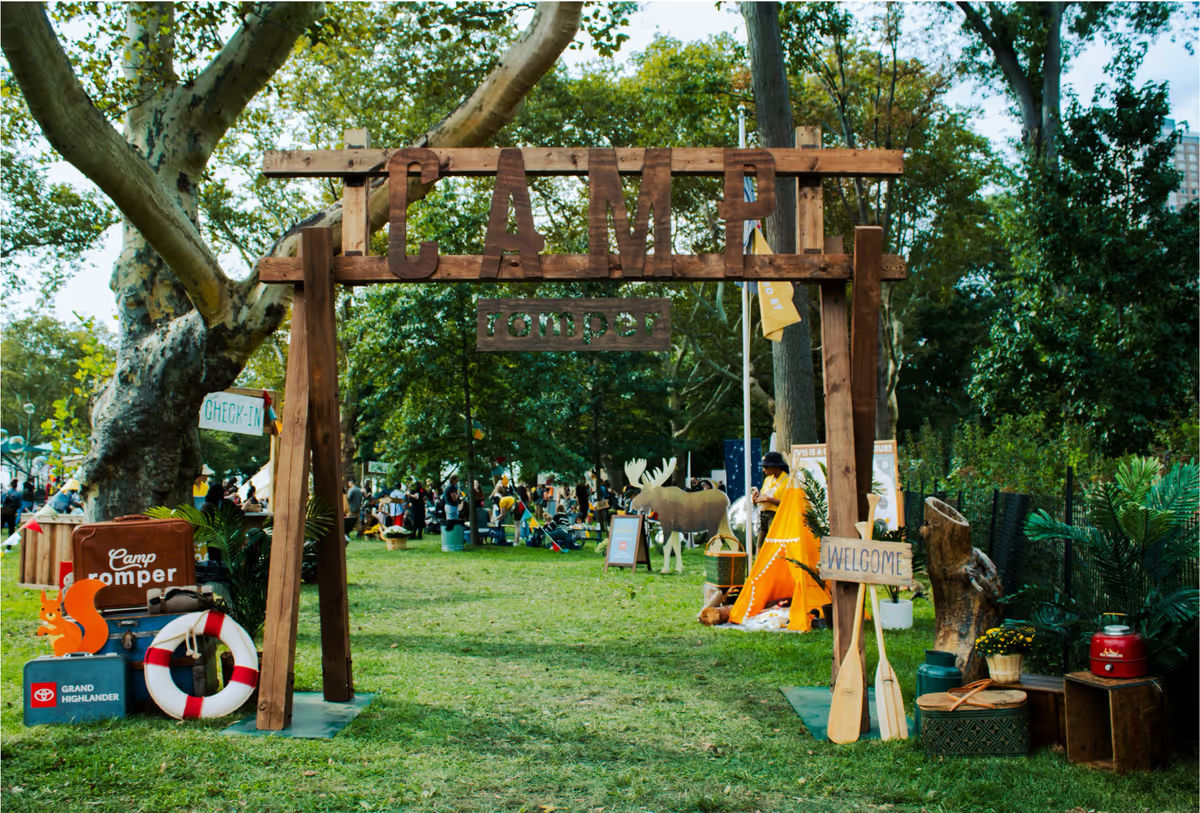
Camp Romper: Into the Wild is a great example of how sensory marketing creates lasting brand connections through coordinated multi-sensory design. The Wes Anderson-inspired visual aesthetic was complemented by tactile craft activities, interactive theater performances, and campfire atmospherics. Elements included a whimsical storybook environment with vintage prop displays, puppet shows and musical performances, bracelet making and face painting, a Trail Trek scavenger hunt with a branded Grand Field Guide, and the Venture Voyager theater experience with themed photo opportunities.
Put Your Brand in Motion
Founded in Detroit in 2013, Activate is a women-owned experiential marketing agency specializing in brand activations, mobile tours, and PR kits. Our team of 40+ operates from a 75,000 sq. ft. Metro Detroit facility, handling production, fabrication, and fulfillment from concept to delivery. Fill out our online contact form to get started.
Frequently Asked Questions
What is the multisensory approach in marketing?
The multisensory approach in marketing creates brand experiences that engage sight, sound, touch, taste, and smell. Audiences interact across multiple sensory channels rather than through visual messaging alone.
How do sensory branding experiences differ from traditional experiential marketing?
Sensory branding experiences differ from traditional experiential marketing in the deliberate coordination of all five senses rather than relying on visual elements and basic interactions. This produces deeper connections and stronger brand recall across live events, mobile tours, and experience kits.
How do the five senses impact perception in brand activations?
The five senses impact perception in brand activations by layering how audiences experience and remember a brand. When visual elements, audio design, physical touchpoints, food components, and scent work together, they create connections that influence purchasing decisions and brand loyalty.
What industries benefit most from sensory marketing?
Consumer goods, automotive, beauty, food and beverage, and technology companies benefit most from sensory marketing because their products naturally lend themselves to direct consumer interaction. Any brand that relies on emotional connection with consumers can apply sensory marketing principles across live activations, mobile tours, and experience kits.