
What Is Influencer Marketing and How Does It Work?
Scroll through Instagram or TikTok, and you'll see creators posting about products they use, brands they wear, and places they visit. Some of those posts are paid partnerships where brands compensate creators to feature their products. That's influencer marketing—brands reaching target audiences through people those audiences already follow, rather than buying traditional ad space.
Digital Marketing and Social Media Influence
Influencer marketing places products in feeds people already scroll, presented by creators they chose to follow:
Influencer Marketing Definition
Brands find creators whose followers match the people they're trying to reach, then build partnerships around the content those creators already make. A skincare brand partners with beauty reviewers who post weekly product breakdowns. A travel company works with photographers who are already documenting trips on Instagram and TikTok. The creator decides how to present the product in their own voice.
How Influencer Marketing Works
Learning how influencer marketing works helps with other digital campaigns. Paid search brings people actively looking for products. Display ads build name recognition. Influencer posts put products in front of people through accounts they already follow and trust. A brand might run an influencer campaign on Instagram while simultaneously running paid ads and sending emails to reach the same audience in multiple ways.
Comparing Influencer Marketing Campaigns to Traditional Advertising
Traditional advertising and influencer marketing operate on opposite models—one purchases audience attention while the other earns it through trusted voices. Here's how they differ:
- Creative Control: Traditional advertising gives brands full control over every message element, from script to final edit. Influencer marketing puts creators in charge of how they present products to their target audiences, resulting in online content that feels personal rather than scripted.
- Measurement Accuracy: Traditional advertising estimates reach through ratings and circulation data. Influencer marketing tracks exact view counts, engagement rates, click-throughs, and purchases through influencer platform analytics and unique codes.
- Budget Flexibility: Traditional advertising requires large upfront commitments for media placement—a single prime-time spot costs what an entire micro-influencer campaign runs. Influencer marketing scales up or down based on performance, starting with small tests before expanding.
- Audience Reception: Traditional advertising interrupts what people are watching or reading to deliver brand messages. Influencer marketing appears in feeds people already follow, presented by voices they chose to hear from.
Types of Influencers and Their Marketing Impact
Influencer marketing campaign types vary based on follower count, platform choice, and content focus—matching the right combination to your goals determines campaign success:
Micro-Influencers vs. Macro-Influencers
Micro-influencers have 10,000 to 100,000 followers focused on specific niches—local restaurants, sustainable fashion, budget travel, niche hobbies. Their audiences engage more because the relationship feels personal. When they recommend something, followers listen. Campaigns with micro-influencers reach specific communities and test messaging before going wider.
Macro-influencers have 100,000 to millions of followers across multiple platforms. They run their accounts like businesses with posting schedules, production teams, and brand contracts. One fitness macro-influencer reaches millions interested in health and wellness, not just one workout style. These partnerships deliver broad reach fast—one post reaches more people than twenty micro-influencer posts combined, though engagement drops and costs jump.
Platform-Specific Influencer Categories: Instagram, TikTok, YouTube
Instagram pulls visual shoppers, TikTok hits younger audiences fast, and YouTube builds trust through depth:
- Instagram: Fashion creators post outfits, beauty accounts show makeup techniques, and food photographers document restaurants. Creators tag products directly so followers can buy without leaving the app. A glass box truck activation makes for good Instagram content, thanks to its transparent walls and product displays.
- TikTok: Videos push past a creator's followers, letting content hit millions regardless of account size. What works feels spontaneous, not scripted.
- YouTube: Longer videos allow detailed reviews. Tech accounts spend 15 minutes on smartphone features. Beauty creators film full makeup tutorials. Length builds trust that quick posts don't.
Niche Influencers and Industry-Specific Thought Leaders
Influencers specialize in categories, and thought leaders build careers in their fields first. Parenting accounts recommend children's gear. Gaming creators review new releases. Home improvement accounts document renovations with specific products. Their target audiences care about one thing, not general lifestyle content.
B2B influencer marketing targets thought leaders over mass-market creators. Technology companies work with developers respected in programming communities. Construction manufacturers partner with architects who spec projects. Reach stays smaller, buying power runs higher.
Benefits and ROI of Influencer Marketing
Influencer marketing tracks who saw your online content, who engaged with it, and who bought:
- Real-Time Tracking: Awareness campaigns count views. Engagement campaigns track likes, comments, shares, and saves. Conversion campaigns follow clicks and purchases through unique codes.
- Ad-Resistant Reach: Content reaches people who block ads and skip commercials. Posts show up in feeds people already scroll, from accounts they chose to follow.
- Cost Efficiency: Ten micro-influencers might cost less than one print ad while driving traffic and sales. The content becomes yours—photos, videos, testimonials you can reuse with proper licensing.
- Compounding Credibility: When multiple influencers recommend the same product, customers see repeated references before buying. Someone researching running shoes might watch three fitness reviews first.
- Manageable Risks: Vet creators and write clear contracts. Ongoing relationships beat one-off partnerships when influencer behavior or content quality matters.
Influencer Campaigns at Live Activations
Live activations give influencers something worth posting about. Custom builds, mobile setups, and premium access create moments that translate to social media coverage. Two recent campaigns show how:
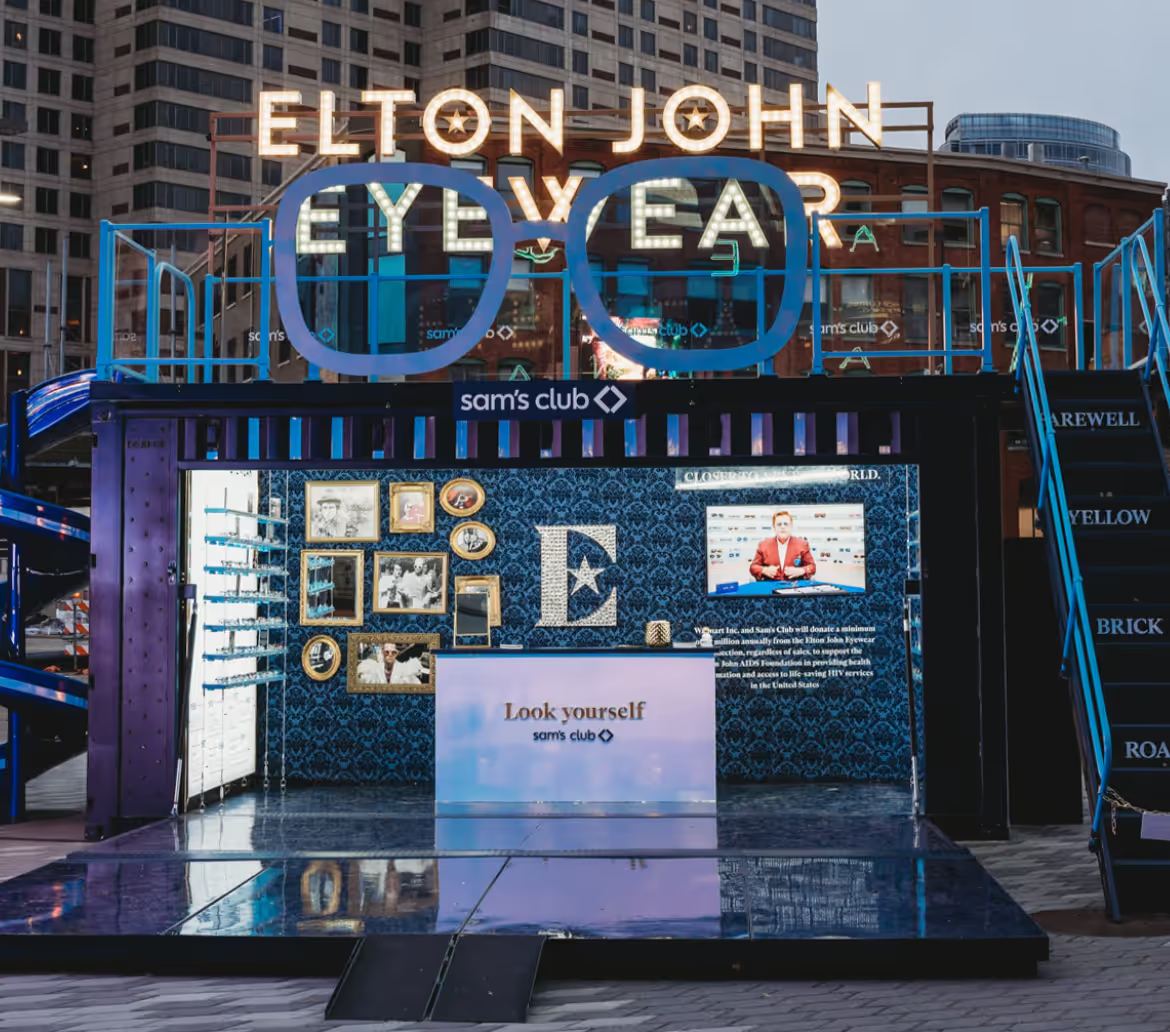
Sam's Club Elton John Eyewear Tour
A custom double-decker shipping container followed Elton John's Farewell tour to arenas nationwide. Content creators got VIP access to the upper level, which had a slide exit for action shots. The ground floor featured backlit eyewear displays and a pink phone booth with vintage props. Oversized glasses mounted on the exterior made the whole thing hard to miss. Each zone gave influencers different content angles: product shots at the displays, booth portraits, and slide videos.
Coach Tabby College Tour
A shipping container wrapped in Coach branding hit college campuses with a giant foam Tabby purse on top. Campus influencers took a digital quiz that matched them to a Tabby "flavor," then got ice cream in that color, matching toppings, and Little Words Project bracelets. The color coordination made their posts look cohesive. Quiz results, ice cream, and purse all matched. College audiences saw the content and showed up.

Activate Brings Influencer Campaigns to Life
Activate builds influencer experiences from concept through execution. We design PR boxes that photograph well, fabricate custom mobile tour setups, like glass box truck activations, and produce live events with multiple content opportunities. Our 75,000 sq. ft. Metro Detroit facility handles in-house kit assembly, custom fabrication (woodworking, laser etching, 3D printing), and tour logistics.
From shipping container wraps to double-decker installations, we manage the physical builds that give influencers something worth documenting. Connect with us through our online contact form to discuss your influencer campaign.
Frequently Asked Questions
What is influencer marketing?
Influencer marketing is when brands pay content creators to feature products in their social media posts, reaching target audiences through accounts people already follow. The influencer marketing definition centers on creators showcasing products authentically—a beauty brand works with Instagram creators who review skincare, or a fitness company partners with TikTok trainers showing workout gear in use.
How does influencer marketing generate content for brands?
Influencer marketing generates content through creators who produce photos, videos, and reviews featuring brand products across their social platforms. Experiences like glass box truck activations give influencers visual moments to document, and this content can be repurposed across brand channels with proper licensing, extending value beyond the initial post.
Why do brands use influencers instead of traditional advertising?
Brands use influencers because their posts reach people who actively avoid traditional ads through ad blockers and commercial skipping. Content appears in feeds people already scroll, presented by voices they chose to follow rather than purchased ad placements they tune out.
Which platforms work best for influencer marketing campaigns?
Influencer marketing campaigns work best on platforms where target audiences spend time—Instagram for visual shoppers, TikTok for younger demographics, and YouTube for detailed product reviews. Each platform supports different content formats, from quick Instagram Stories to 15-minute YouTube tutorials that build trust through depth.
Can small brands afford influencer marketing?
Small brands can afford influencer marketing by working with micro-influencers who charge less than macro-influencers while delivering higher engagement rates. Ten micro-influencers in a specific niche might cost less than one print ad while driving measurable traffic and sales to brand websites.