
Mobile Tour Formats: Containers, Trailers, and Wrapped Vehicles
Mobile tours take brand activations directly to audiences across multiple markets. The physical structure that houses your experience—whether a shipping container, a trailer, or a wrapped vehicle—determines setup logistics, interior space, and visual impact. Selecting a format starts with your campaign needs: How much space do you need? What kind of product demonstrations are you running? Where are you setting up?
Experiential Marketing Mobile Tours: Choosing Your Structure
Three structures handle the majority of mobile tour builds. Each offers different space configurations, setup requirements, and design possibilities:
Shipping Containers
Containers provide enclosed spaces with complete exterior branding. The structure itself becomes a billboard, housing product displays, demonstration areas, or interactive experiences. Setup requires flatbed delivery or crane placement, making them suitable for parking lots, festival grounds, and locations with vehicle access. Containers stay stationary once positioned—they don't move between stops without specialized equipment.
Trailers
Trailers tow behind trucks and offer more interior square footage than containers. The built-in mobility allows tours to travel between markets without dismantling the entire experience. Interior layouts can include multiple zones for product displays, demonstrations, and guest interaction. Setup requires level ground and enough space for both the trailer and tow vehicle. These work for tours hitting multiple locations over weeks or months.
Wrapped Vehicles
Wrapped vans, trucks, or box trucks prioritize exterior branding with minimal interior buildout. The vehicle itself serves as the activation—product sampling happens outside or through service windows rather than inside enclosed spaces. These move quickly between locations and fit into tighter spaces at street festivals, retail parking lots, and urban events where larger structures won't work.
Interactive Tour Elements
Mobile tours need more than physical structures—they need reasons for people to stop and engage. Three elements show up consistently:
Product Demonstrations
Product demonstration spaces let people try products hands-on. This includes tables for product display, equipment for live demos, and room for small groups to watch and participate. The space requirements depend on your product—food and beverage demos need different setups than tech products or beauty applications.
Brand Ambassadors
Staff run each tour stop. They handle setup, greet visitors, explain products, answer questions, and manage guest flow. The number of ambassadors per location depends on expected attendance and the complexity of the experience. Training ensures consistency across all tour stops.
Social Media Setup
QR codes, photo backdrops, and digital quizzes get people sharing online and capture consumer data. This can be straightforward, like a branded backdrop for photos, or more involved, like quizzes that customize the experience based on responses.
Brand Roadshow Types
The different brand roadshow types serve objectives ranging from product trial and lead generation to brand awareness and retail sales. Five types show up most frequently across mobile tour campaigns:
- Sampling Tours: High-volume activations focused on product trial and rapid consumer interactions, typically moving guests through in under five minutes per visit.
- Mobile Showrooms: Experience-focused tours that invite longer engagement with detailed product displays, demonstrations, and staff who answer technical questions.
- Retail Partnership Tours: Activations at partner retail locations that drive foot traffic and sales, like the Kingsford Smokehouse Tour across 50 Walmart parking lots.
- Sponsorship Activations: Brand presence at existing events, festivals, or concerts where the tour serves as an attraction within a larger gathering.
- Pop-Up Experiences: Temporary branded spaces that create buzz and social media content, often featuring photo opportunities, interactive elements, and limited-time offers.
Sampling Tours vs. Mobile Showrooms
Sampling tours move people through quickly—often under five minutes per interaction. Staff distribute product samples, demonstrate basic features, and collect contact information. These tours work for food and beverage brands, consumer packaged goods, and products where trial drives purchase decisions. Setup emphasizes throughput: multiple sampling stations, clear entry and exit paths, and staff positioned to keep lines moving.
Mobile showrooms invite longer visits—15 to 30 minutes or more per guest. The space includes detailed product displays, hands-on interaction areas, and staff who explain features and answer technical questions. This format suits higher-consideration purchases like technology, beauty products, or home goods, where consumers need time to understand benefits. The layout prioritizes comfort, with seating areas, demonstration zones, and space for small groups to explore without feeling rushed.
The structure you choose depends on your engagement goals, but both sampling tours and mobile showrooms use the same physical formats—containers, trailers, or wrapped vehicles.
Mobile Tours We've Built
Coach used a shipping container and Kingsford built a multi-zone trailer:
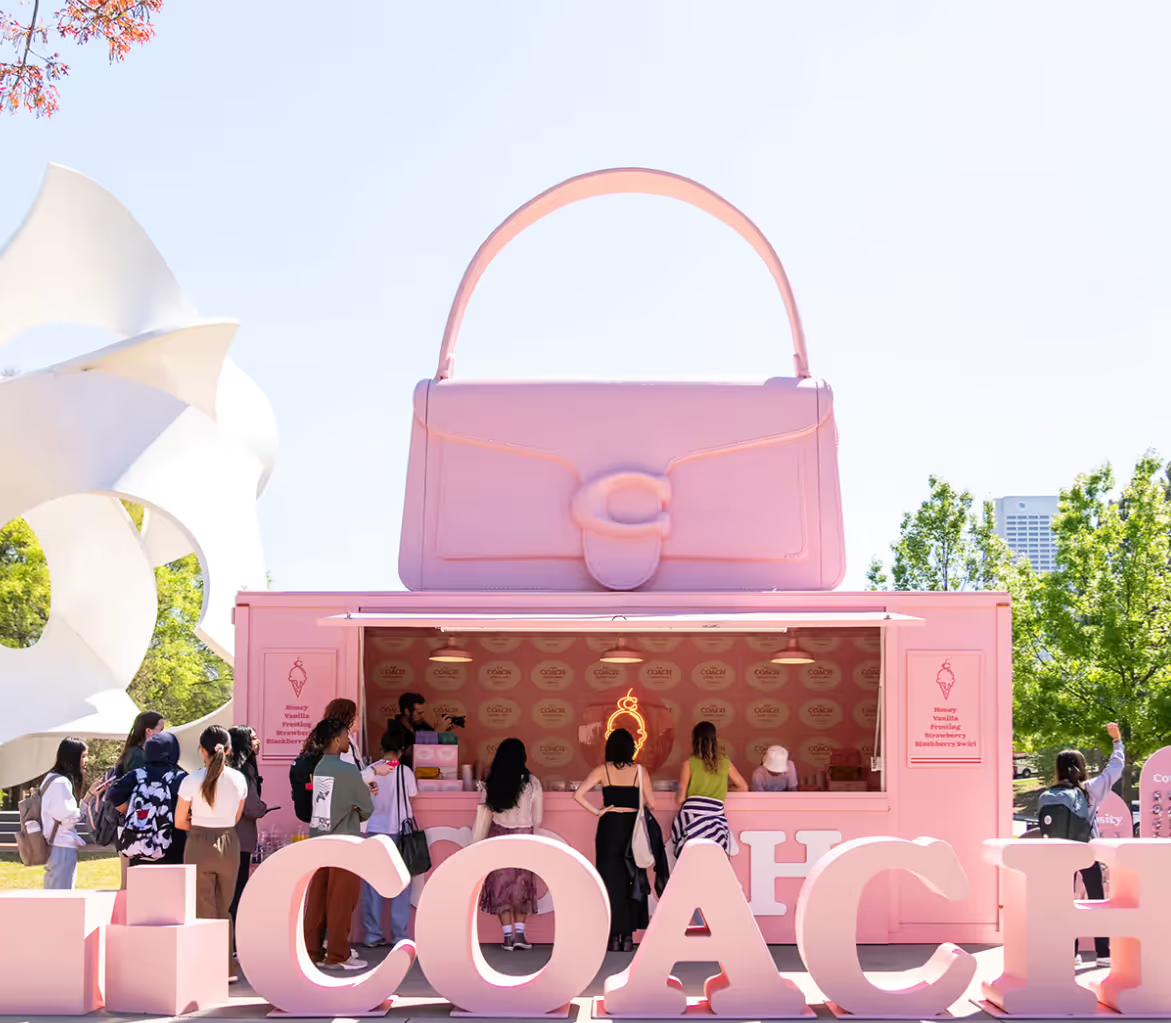
- Coach Tabby Tour - Container Experience: A custom-wrapped shipping container topped with an oversized Tabby purse served as the centerpiece. Guests scanned QR codes for digital quizzes to discover their Tabby "flavor," selected color-coordinated ice cream with matching toppings, and explored Tabby bags displayed on a monochromatic dimensional arch. Each guest received Little Words Project bracelets paired with their flavor selection.
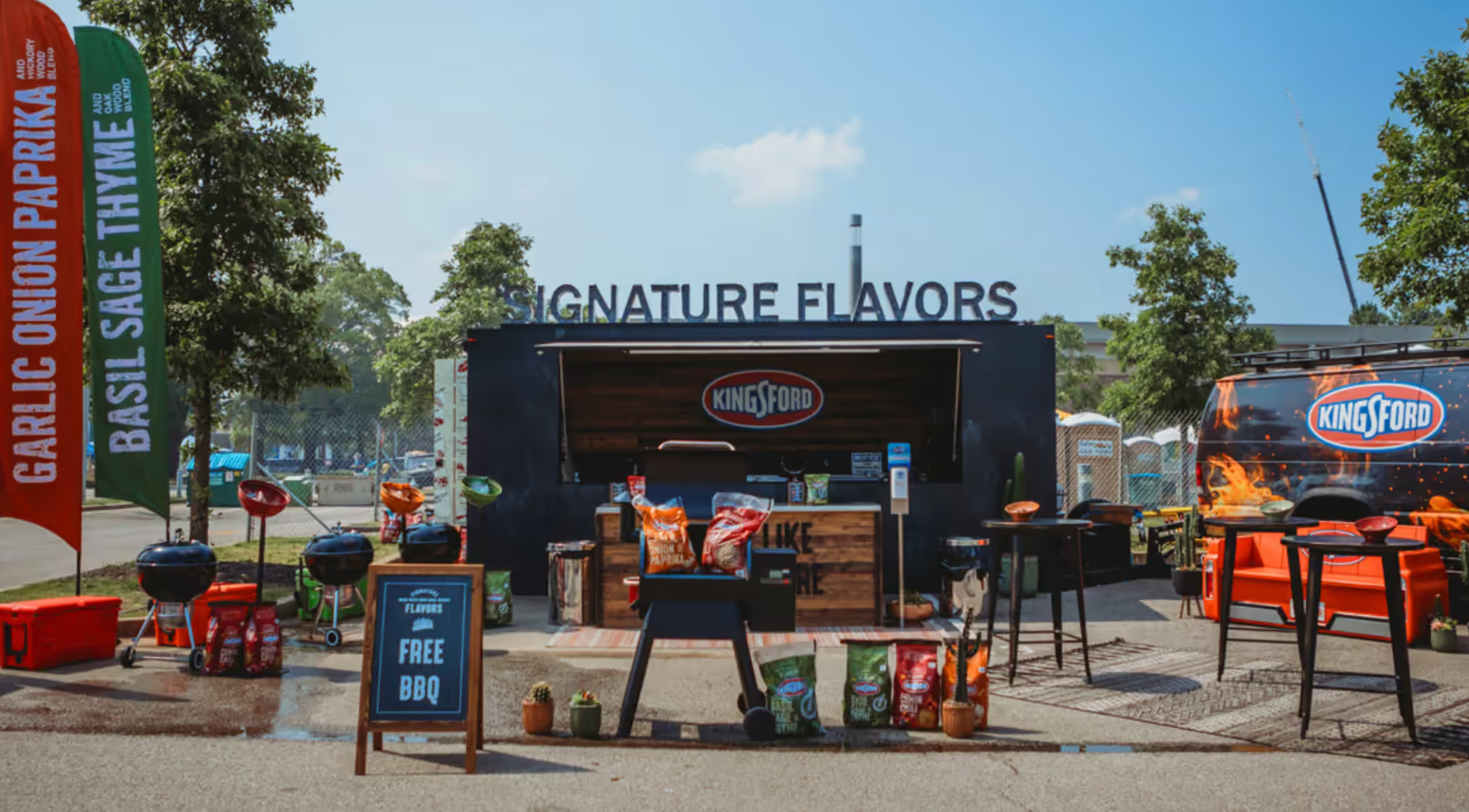
- Kingsford Smokehouse Tour - Multi-Zone Trailer: Kingsford, Masterbuilt, and Walmart transformed 50 Walmart parking lots into community gathering spaces. The custom smokehouse featured a Master Class Grill Station for live demonstrations, a Rooftop Lounge showcasing outdoor furniture, and a "Backyard" Patio area. Brand ambassadors demonstrated the pairing of Masterbuilt grills and Kingsford charcoal while celebrating local BBQ culture.
Activate Builds Mobile Tours That Travel Nationwide
Activate produces mobile tours from our 75,000 sq. ft. facility in Metro Detroit. We handle design, fabrication, route planning, permitting, brand ambassador staffing, and on-site operations. Our in-house capabilities include woodworking, custom aluminum modifications, laser etching, and 3D printing—allowing us to pre-build tour structures before they hit the road.
Our team manages the logistics that make or break mobile tours: securing permits across different markets, coordinating setup and breakdown at each stop, and training brand ambassadors who run the experience. We maintain national permitting contacts and handle cross-border requirements for tours traveling into Canada.
From initial concept through final market recap, we execute mobile marketing tours as a turnkey solution. Ready to take your brand on the road? Connect with us to discuss mobile tour formats for your campaign.
Frequently Asked Questions
What are mobile tour formats?
Mobile tour formats refer to the physical structures used to transport and house brand experiences across multiple markets. The three main formats are shipping containers, trailers, and wrapped vehicles, each offering different space configurations and setup requirements.
How do you choose the right mobile tour format?
Start with your space needs and the type of experience you're creating—demonstrations require more room than simple product sampling. Consider your route and setup locations, as containers need crane placement while trailers and vehicles offer more flexibility.
What's the difference between container and trailer mobile tours?
Containers stay stationary once positioned and require specialized equipment to move between stops, while trailers tow behind trucks and travel more easily between markets. Trailers offer more interior square footage and built-in mobility, but containers provide a stronger visual impact as standalone structures.
How long does it take to build mobile marketing tours?
Production timelines depend on the format complexity and customization level, typically ranging from 2-12 weeks from concept approval to road-ready. Custom fabrication, permitting requirements, and route planning all factor into the total timeline.
What factors affect mobile tour format costs?
Structure type and size determine base costs, with trailers generally requiring higher investment than wrapped vehicles. Customization level, interior buildouts, technology integration, and tour duration all impact the final budget.