
Micro Experiential Activations: Small-Scale Ideas That Create Big Impact
Micro experiential activations turn tight budgets and limited space into direct brand-to-consumer moments. A shipping container gets wrapped and outfitted as a branded environment, a hotel lobby becomes a themed lounge for one weekend, or a backpack filled with curated items tells a game's story. These activations allocate resources to specific audiences within contained environments.
What Micro Experiences Accomplish
Micro experiences concentrate resources on direct audience access. A college campus mobile tour, a pop-up event near an airport, and press mailers sent to 100 influencers—each activation targets a specific group in a controlled setting. A successful micro experience combines product sampling, interactive elements, social media integration, and photo opportunities within that contained footprint.
A nationwide tour might visit 30 cities over a six-month period. A micro activation hits five college campuses in three weeks. The execution stays focused: one shipping container, one branded environment, one weekend. Resources are allocated toward building immersive experiences with custom fabrication, product quality, and ambassador training.
When comparing experiential advertising to traditional advertising, experiential offers people hands-on product trials and face-to-face interactions with brand ambassadors, while static advertising reaches audiences through media placements.
Create Lasting Consumer Experiences With Brand Activations
People who attend micro activations post about them on social media. Someone tries a product, takes photos in a custom environment, receives exclusive merchandise, and then shares the photos with their network. Each post reaches an audience that didn't attend the physical event. Brand ambassadors at micro experiences answer questions and explain products face-to-face. At a college campus activation with ice cream service and a digital quiz, ambassadors spend time with each student who walks through. Students leave knowing how the product works and what makes it different.
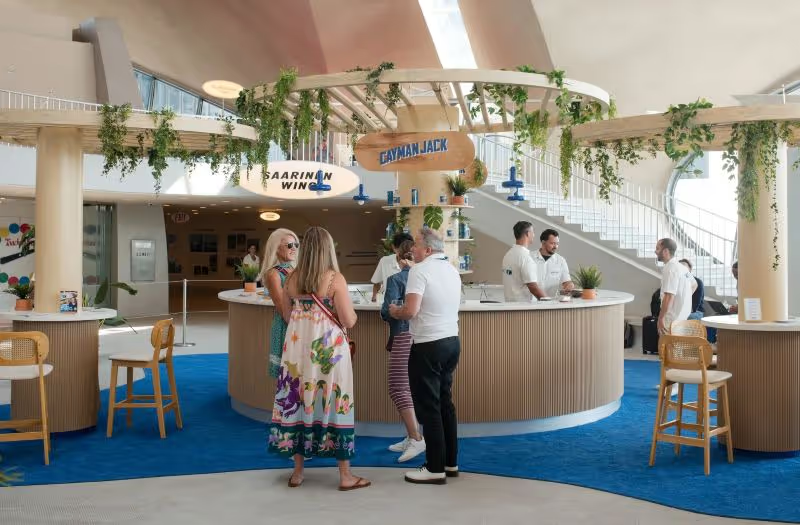
A jungle-themed lounge for delayed travelers gives people something to talk about. Four zones—photo backdrops, a bar serving Cayman Jack margaritas, lounge seating, spa services with chair massages—turn a flight delay into an unexpected experience. Travelers tell their friends about the free massage and drinks they received at the airport, and they remember which brand provided them.
Micro Activation Formats for Small Spaces
Micro activations fit into tight spaces through focused design, where custom carpet in brand colors sets the tone and dimensional structures frame photo opportunities while separating activity zones. Leather, wood, and metal furniture look polished and handle real use. Each element earns its space:
Pop-Up Environments and Temporary Brand Spaces
Pop-ups occupy a space for a limited time, whether that's a weekend or a few weeks. The temporary format gives brands access to high-traffic locations without long-term real estate commitments:
- Airport Pop-Up Lounge: A branded space near JFK Airport targets travelers with missed flights, with brand ambassadors working terminals to hand out boarding passes that direct people to the lounge for chair massages, face spritzes, drinks, and seating.
- College Campus Shipping Container: A wrapped container arrives at campus for 48 hours of product sampling and digital experiences, then drives to the next school while students post photos and walk away with branded accessories.
- Tradeshow Temporary Installation: Pergolas with integrated planter boxes and fresh geraniums provide a polished backdrop for booth meetings, with modular construction allowing the same pieces to be used across multiple conference events.
Interactive experience design at pop-ups layers multiple elements in sequence—attendees walk into a branded environment, try product samples, take photos at custom backdrops, and leave with merchandise they'll use after the event.
Social Media and Digital Participation
Experiential marketing activations are designed for social media from the start. Dimensional structures frame photos. Branded backdrops use lighting that photographs well. Merchandise stations stock items people want to post—curated products, not generic swag. Digital quizzes tie online and offline moments together. A student takes the quiz on-site, gets matched to a "flavor" corresponding to a product line, receives ice cream in that flavor, and gets a bracelet in the matching color. The quiz results are shared on social media along with product photos. The activation gives attendees something to post.
When someone shares a photo from inside a shipping container with an oversized bag on top, their followers see a real moment. Event marketing at this scale depends on attendees posting from their own accounts. Each post reaches people who didn't attend. Hybrid events incorporate digital elements into physical activations. A pop-up might host 500 people over a weekend, while a live stream brings in thousands more viewers. Virtual reality can enhance certain aspects of the experience online, while the physical space remains central.
Premium PR Boxes as Micro Activations
PR boxes deliver brand experiences directly to influencers, press, and VIP customers, eliminating the need for them to attend an event. A curated package shows up at their door with products, branded items, and materials they can post about:
- Custom Packaging as Product: An embroidered backpack or printed box serves as both a shipping container and a keepable item that recipients use long after unboxing.
- Themed Item Selection: Each piece inside connects to the brand or campaign, like survival gear for a game launch or beauty tools paired with skincare products.
- Unboxing Content Creation: Recipients film and photograph the contents for their social channels, with each item getting individual shots and complete collection spreads that reach their follower base.
How Micro Activations Work in Practice
A press mailer and mobile tour show how two brands used micro activations to reach targeted audiences:
CAVA Claw Machine Mailers: PR Box Product Launch
CAVA launched limited-edition Pita Chip Plushie bag charms through custom mini claw machines sent to media and influencers. Each machine arrived branded with CAVA's color palette and pre-filled with the plushies, stickers, and branded materials. A welcome card, a CAVA gift card, an instruction note, and a bag of coins sat on top.
The claw machine turned unboxing into an interactive experience. Recipients played the game to retrieve their plushies—characters named Peter Chip, Sweet Sammy, Garlic Gus, and Jimmy Harissa. They filmed themselves using the machines and posted the experience online. The activation drove traffic to CAVA stores, where customers could collect the plushies with a Hot Harissa Meal purchase during the limited run.

Philosophy Simple Not Basic Tour: Mobile Product Sampling
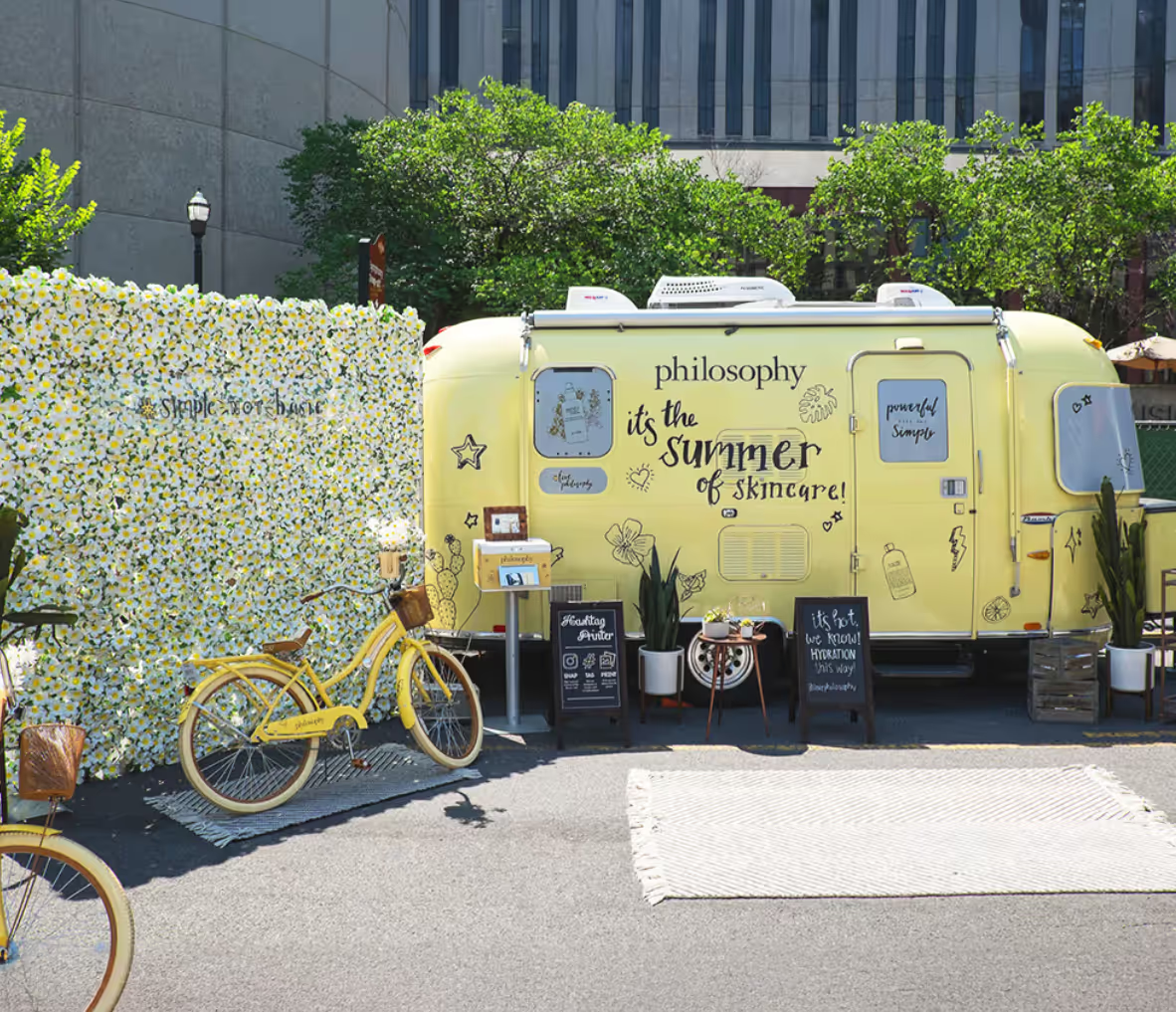
Philosophy toured its new Purity Moisturizer in a branded yellow Airstream, stopping at major festivals and high-traffic locations. The setup included product sampling, photo opportunities, and social media tie-ins:
- Branded Airstream Vehicle: A fully wrapped yellow Airstream in the Purity Moisturizer color palette and graphics served as a mobile hub where brand ambassadors distributed thousands of product samples.
- Custom Photo Backdrop: A floral "Simple, Not Basic" backdrop featuring two branded beach cruisers provided guests with a premium photo opportunity that encouraged social media posts.
- Hashtag Printer: Guests who posted their photos to social media with the campaign hashtag received printed keepsakes, connecting digital sharing to physical takeaways and purchase incentives at ULTA and Sephora.
Partner With Activate for Experiential Marketing Activations
Activate's 75,000-square-foot facility in Metro Detroit houses fabrication, fulfillment, and logistics under one roof. The team builds custom shipping containers, dimensional structures, and modular installations in-house. Fill out the contact form to start planning your next micro activation.
Frequently Asked Questions
What are micro experiential activations?
Micro experiential activations are small-scale brand experiences that concentrate resources on specific audiences in contained environments like pop-ups, mobile tours, or press mailers. These activations utilize custom fabrication, product sampling, and social media integration to reach targeted groups without the budget and logistics associated with large-scale tours.
How do experiential events build brand awareness?
Experiential events foster brand awareness through direct audience interaction and social media amplification from attendees who share their experiences. A pop-up might host 500 people over a weekend while their social posts reach thousands more followers who see the photos and content.
Why choose experiential marketing activations over traditional advertising?
Experiential marketing activations put brands in front of people through hands-on product interaction, custom environments, and exclusive merchandise rather than ads or digital content. The physical experience and one-on-one conversations with brand ambassadors create stronger connections than passive media exposure.
When should brands use micro experiential marketing activations?
Brands should use micro experiential marketing activations when launching new products, targeting specific demographics like college students or festival attendees, or testing markets before committing to larger campaigns. These activations are effective for reaching audiences in controlled settings like campus tours, airport pop-ups, or influencer mailer lists.
Where do micro experiential activations take place?
Micro experiential activations take place in high-traffic locations where target audiences already gather, including college campuses, festivals, tradeshows, airport hotels, and directly at recipients' addresses through press mailers. The venues match the audience—students at universities, travelers at airports, influencers receiving packages at home.
Which brands benefit from experiential marketing activations?
Brands launching new products, entering new markets, or targeting specific consumer segments benefit from experiential marketing activations that deliver focused brand experiences. Companies in the beauty, food and beverage, gaming, fashion, and consumer goods sectors use these activations to showcase their products and build recognition with targeted audiences.