
Creative Concept Development: From Strategy to Execution in Experiential Marketing
Creative concept development is the foundation of experiential marketing campaigns. This phase is where client goals become real brand experiences—brand activations, mobile tours, and PR boxes. The process balances creative ideas with budget, timeline, and logistical realities to ensure concepts can actually be built and executed.
Strong concept development makes the difference between campaigns that connect with audiences and those that fall flat. During this phase, broad objectives become specific experiences with clear engagement points and interactive elements. Marketing and event decision-makers who understand how this process works can better evaluate agencies and set realistic expectations for their campaigns.
What Creative Concept Development Means in Experiential Marketing
Creative concept development in experiential marketing is where brand values and goals become physical experiences. Traditional advertising concepts focus on messaging and visuals. Experiential concepts need to work in three-dimensional spaces with real people moving through them, which means thinking about staffing, flow, and how consumers will actually interact with everything.
This process differs from standard creative development because it requires thinking about multiple factors at once:
- A concept must look good while also being logistically feasible
- It needs to create moments while fitting within budget parameters
- The experience should encourage social media sharing without sacrificing substance
- Every element must work in physical space with real people
Constraints are part of experiential creative concept development from the beginning. Budget, timeline, audience expectations, and logistics all determine which ideas are feasible. Good concept development works with these constraints upfront instead of treating them as problems to solve later.
The Foundation: Understanding Goals and Vision
Creative concept development starts with an intake meeting between the agency and client to define goals and vision. This first step clarifies what the brand wants to accomplish, who they need to reach, and how they'll measure success.
The intake process examines several key areas:
- Objective identification: Whether the focus is brand awareness, product trial, lead generation, or relationship building—these objectives shape every creative decision that follows
- Target audience definition: Understanding where audiences spend time, what motivates them, and how they prefer to engage with brands
- Competition analysis: Reviewing what competitors have done and identifying gaps in the market to help concepts stand out
- Budget and timeline parameters: Establishing boundaries that help agencies propose concepts that can actually be executed
An activation targeting college students requires different creative approaches than one reaching corporate decision-makers. Knowing the available resources helps agencies propose concepts that can move from development to implementation.
Transforming Strategy into Concepts
Moving from strategic objectives to actual concepts means thinking through how experiences will work in different formats and environments. This phase builds on the information gathered during intake and turns it into specific experiential elements.
Audience journey planning shows how consumers will move through the experience and where they'll engage with the brand. Physical space and environmental design determine how the brand story gets told through visuals, structures, and layout. Interactive elements create the hands-on moments that make experiential marketing work.
Creative concept development takes different forms depending on the service type:
- Brand activations: Multi-zone experiences where different areas serve different purposes—demonstration zones for product education, interactive stations for hands-on engagement, and showcase areas for visual impact
- Mobile tours: Vehicle design, routing strategy, and geographic flexibility where the concept must work across different markets and venues while maintaining brand consistency
- PR boxes: Unboxing experience, storytelling elements, and personalization options that translate a brand story into physical items recipients will value
Concept Development in Action
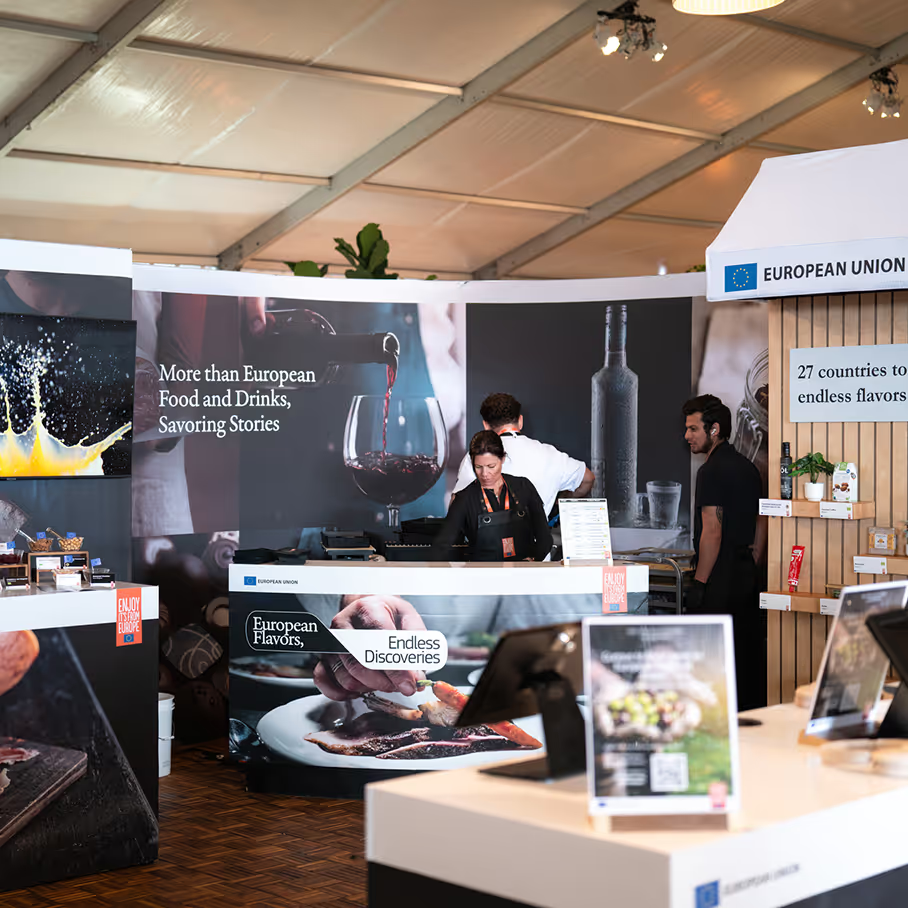
The European Union Food & Wine Festivals show how creative concept development works in practice. The client wanted grand tasting events that would bring European food and wine culture to U.S. audiences in Miami, Charleston, Pebble Beach, Brooklyn, and Aspen.
The concept strategy created an authentic European experience that blended tradition with modern elements while encouraging attendees to explore European culinary culture. Instead of just setting up tasting tables, the concept included four interactive stations.
Activate had the opportunity to execute this concept with a Discovery Station where consumers learned about European Union products, a Demonstration Station with real-time consumable giveaways, an Education Station with interactive tablets, and a Product Wall showing items from all 27 EU countries. The multi-station setup made the tasting event educational.
The IKEA Back to School Tour shows how creative concept development works for mobile marketing. The client wanted to reach university students across the country, help them furnish dorm rooms with IKEA products, and drive member sign-ups and sales.
Activate worked with IKEA on three custom-wrapped school buses that became mobile showrooms. Each bus had a walk-through experience starting with a styled mock dorm room, then moving to an interactive zone. That space included a DIY succulent planting station, a Swedish Dala horse photo moment, a magnetic fishing pond game, and a Blue Bag Bar where students picked up prizes.

From Concept to Proposal
Once creative concepts are developed, they need documentation before moving into production. This proposal phase turns ideas into specifications that stakeholders can review and approve.
The documentation includes scope definition that outlines every element of the experience, technical specifications for fabrication and construction, and budget breakdowns. Timeline milestones show when each production phase needs to happen, and resource allocation plans identify what internal and external capabilities are needed.
Setting success metrics during this phase means the final execution can be measured against original goals. These metrics connect back to the objectives from the initial intake meeting.
Why Creative Concept Development Requires Experience
Creative concept development takes more than ideas—it requires understanding production realities that affect whether a concept is feasible. Knowledge of fabrication capabilities, permitting requirements, and staffing logistics determines which concepts can actually be built and operated.
Anticipating logistical challenges upfront separates concepts that look good on paper from those that actually work:
- Experience with different markets and demographics reveals which creative approaches resonate with specific audiences
- In-house capabilities like fabrication facilities and fulfillment operations allow agencies to execute concepts that others would need to outsource
- Established vendor networks provide flexibility for customization and quality control
- Understanding production costs helps propose concepts that achieve goals within available resources
This internal infrastructure and industry knowledge allows for quality control throughout the creative concept development process.
Activate: Where Concepts Become Reality
Activate creates brand connections through three core services: brand activations, mobile tours, and PR boxes. Our creative concept development process transforms marketing goals into executable experiences through strategic planning and execution.
Our capabilities cover every aspect of experiential marketing, from initial concept through final execution. The Activate team works with clients to bring brand visions to life while managing logistics, assembly, and coordination. This approach allows brands to focus on their objectives while we handle execution details.
Looking to develop your next experiential marketing concept? Connect with us to explore how our process can bring your marketing vision to life.
Frequently Asked Questions
What is creative concept development in experiential marketing?
Creative concept development in experiential marketing is the strategic process of transforming brand objectives into executable physical experiences. This phase involves ideation, planning, and documentation that bridges the gap between what a brand wants to achieve and how that goal becomes a tangible activation, mobile tour, or experiential campaign.
How does creative concept development differ from traditional event planning?
Creative concept development focuses on the strategic ideation and planning phases before event planning begins. While event planning handles logistics, vendor coordination, and operational details, creative concept development establishes the core experience framework—determining what the activation will be, how audiences will engage with it, and what makes the concept unique.
What factors should inform creative concept development for brand activations?
Brand activations require concept development that considers audience journey mapping, multi-zone experience design, interactive station planning, and product showcase opportunities. The concept must account for physical space limitations, consumer flow patterns, staffing requirements, and how different activation areas work together.
How do you balance creativity with budget constraints during concept development?
Balancing creativity with budget constraints starts by acknowledging financial parameters during ideation rather than treating them as limitations that appear later. This approach involves developing multiple concept tiers, identifying which elements create the most impact, and understanding where customization matters versus where standard solutions work.
How does the creative concept development process work for mobile tours?
Mobile tour concept development begins with understanding routing strategy, target markets, and how the experience must adapt to different venues. The process involves vehicle design planning, showroom layout development, and creating interactive elements that work within limited square footage.
What role does audience research play in creative concept development?
Audience research informs every aspect of creative concept development by revealing where target demographics spend time, what motivates their engagement, and which types of experiences resonate with them. This research shapes decisions about interactive elements, visual design, messaging approaches, and timing and location selection.
How do you measure creative concept effectiveness before execution?
Measuring concept effectiveness before execution involves reviewing the concept against original objectives to ensure alignment, testing consumer flow and journey mapping to identify potential friction points, and assessing whether interactive elements will drive desired engagement levels.