
Consumer Emotions in Brand Experiences: Creating Connections Through Experiential Marketing
When brands create opportunities for face-to-face interaction through brand activations, mobile tours, and PR boxes, they tap into emotional responses that drive brand loyalty and business results.
Emotional engagement transforms passive observers into active participants. While digital campaigns deliver impressions, experiential marketing creates emotional touchpoints that audiences remember after an event concludes. Understanding how consumer emotions function within brand experiences allows marketing teams to design activations that achieve business objectives while fostering connections with their audiences.
Activate executes brand visions through brand activations, mobile tours, and PR boxes. Each service addresses different aspects of emotional engagement, from activations to unboxing moments. This approach to experiential marketing focuses on emotional impact alongside outcomes, ensuring that every activation creates moments and results.
Creating Connections Through Brand Activations
The Emotional Landscape of Activations
Brand activations tap into specific emotions that align with brand objectives and audience expectations. The consumer journey through a brand activation includes multiple emotional touchpoints. From initial visual impact that sparks curiosity to interactive elements that trigger engagement, each stage offers opportunities to deepen emotional connections. Brand ambassadors serve as human touchpoints who can read and respond to consumers in real time. Their ability to personalize interactions based on individual responses creates moments that scripted content cannot replicate.
Multi-Sensory Engagement
Activate had the opportunity to work with the European Union at food and wine festivals across five U.S. cities. The client's vision featured four distinct areas—discovery, demonstration, education, and product showcase—each designed to trigger different emotional responses. Consumers moved from the discovery station to live demonstrations to learning about products from all 27 European Union countries. This progression created a journey that went beyond product sampling to cultural exploration, leaving attendees with both tangible giveaways and emotional memories tied to European culinary traditions.
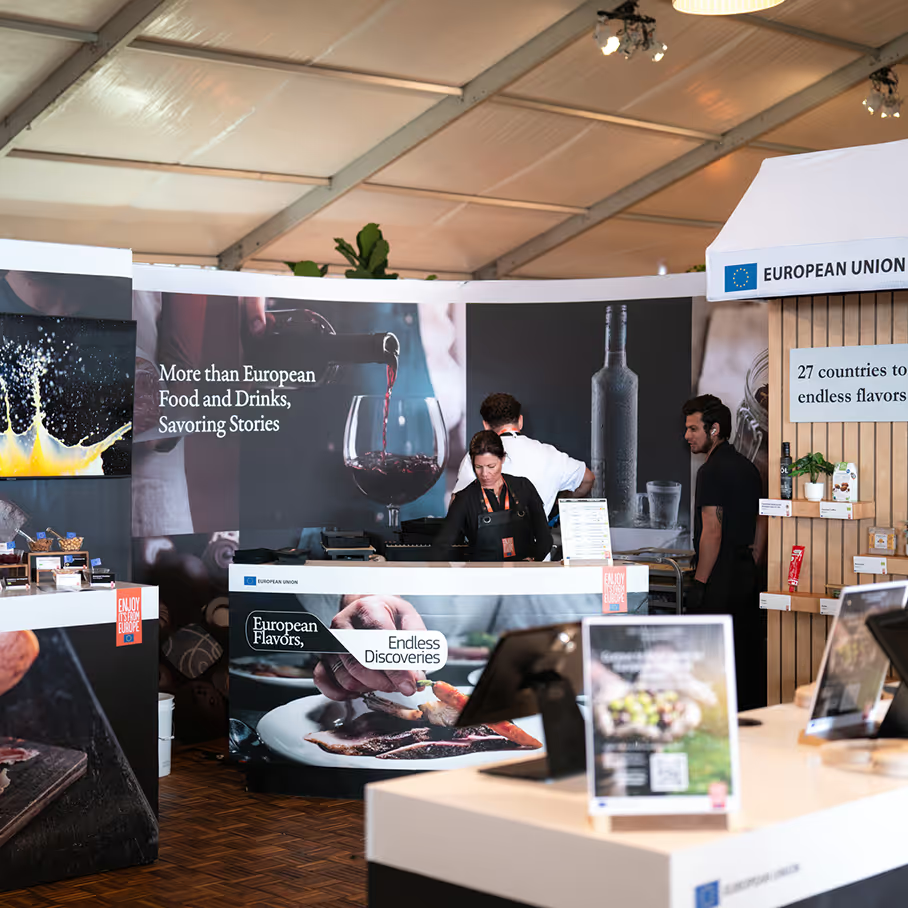
Environment, interactivity, and tangible takeaways shape how activations perform. Physical environments signal brand values before any verbal communication happens. Interactive elements transform passive observation into active participation, increasing emotional investment. Tangible takeaways extend the emotional experience beyond the event itself, serving as physical reminders of the connection formed during the activation.
Designing Environments for Connection
Layout decisions determine how consumers move through a space and what tone each interaction carries. Open layouts invite exploration and create energy through visible activity. Semi-private areas offer respite from crowded trade show floors while providing focused environments for conversations. This balance between public and private spaces accommodates different needs—some consumers seek social energy while others prefer intimate discussions.
Activate had the opportunity to execute Pure Michigan's vision for IPW 2025 through environment design that triggered specific emotions aligned with the destination brand. Custom woodworking and metalwork paid tribute to Michigan's heritage in craftsmanship, communicating pride in local industry. Planter boxes with fresh red geraniums—an informal symbol of Michigan hospitality—created natural privacy partitions. A custom pergola served as both functional hospitality hub and emotional centerpiece, with accent lighting adding warmth.

The modular seating areas balanced casual connection with focused discussion needs, recognizing that different business conversations carry different emotional tones. These design decisions created an environment where attendees felt both pride associated with Michigan's industrial heritage and warmth of hospitality—emotions that supported Pure Michigan's brand positioning and business objectives for the trade show.
Measuring Engagement in Brand Experiences
Beyond Vanity Metrics
Tracking customer experiences requires metrics that go beyond attendance counts and impression numbers. Consumer sentiment analysis examines the quality of responses rather than simply counting them. A social media post expressing genuine excitement tells a different story than a passive acknowledgment. Comments describing specific moments from an activation provide more useful insights than generic praise. This qualitative assessment reveals whether activations created the emotional responses brands intended.
Dwell time can be a reliable indicator of emotional engagement. Consumers who feel connected to an experience naturally spend more time there. When someone lingers at an activation, it suggests the experience captured their attention and held their interest—clear signs of emotional investment. Combined with observation of how deeply people engage, dwell time helps measure the depth of emotional connection rather than just surface-level exposure.
Connecting Emotions to Business Outcomes
Social sharing behavior shows emotional impact through voluntary amplification. Consumers share experiences that trigger strong enough emotions to broadcast to their networks, especially on social media. The nature of this sharing—whether focused on specific elements, atmosphere, or personal reactions—reveals which emotional touchpoints resonated most. Shares that tell stories about the experience signal deeper emotional engagement than simple check-ins.
Lead quality and conversion tracking connect emotional engagement to business outcomes. Leads generated through emotionally engaging experiences often convert at higher rates because the emotional connection speeds up trust-building. Tracking how leads from experiential activations move through sales funnels compared to leads from other channels shows the business value of emotional engagement.
Post-event recaps pull these metrics together into useful insights.
Activate: Where Emotional Brand Connections Come to Life
Activate works with brands to execute visions through brand activations, mobile tours, and PR boxes. Each service addresses different aspects of emotional engagement, from brand activation excitement to unboxing experiences. This approach ensures brands can reach audiences through multiple touchpoints, each designed to trigger specific emotional responses aligned with marketing objectives.
Operating from a 75,000 square foot facility in Metro Detroit, Activate provides turnkey capabilities including in-house logistics, staffing, fulfillment, and fabrication services. This infrastructure allows for quality control and customization across projects. From woodworking and custom aluminum structures to specialty decorating services like laser etching, 3D printing, embossing, and stamping, each element receives attention to detail.
Activate's process moves from initial goal-setting through concept development, production, on-site management, and post-event analysis. This approach addresses both the creative elements that trigger emotions and the operational precision that ensures execution.
Connect with Activate to explore how brand activations, mobile tours, and PR boxes can create experiences that drive business results for your brand.
Frequently Asked Questions
What role do consumer emotions play in brand experiences?
Consumer emotions are the foundation for creating lasting brand connections. When consumers feel excitement, curiosity, or belonging during a brand interaction, these emotions create stronger memories than passive advertising exposure. Emotional responses trigger neurochemical reactions in the brain that strengthen memory formation, leading to better brand recall and recognition. These emotional connections influence purchasing decisions, brand loyalty, and the likelihood to recommend products to others.
How do consumer emotions in brand experiences differ from digital marketing engagement?
Consumer emotions in brand experiences involve multi-sensory engagement that digital marketing cannot replicate. Brand experiences also offer real-time human interaction, allowing brand ambassadors to read and respond to individual emotional cues. The physical presence and tangible elements of experiential marketing create memories tied to emotions that audiences carry long after the interaction ends.
Why do emotional connections during brand activations create stronger brand loyalty than advertising?
When consumers physically engage with a brand—testing products, interacting with brand ambassadors, or sharing experiences with others—they invest emotionally in the interaction. Activations also provide social elements where consumers share experiences with others who appreciate similar values, reinforcing feelings of belonging and community. The combination of multi-sensory engagement, human interaction, and shared experiences creates emotional bonds that translate directly to loyalty and word-of-mouth recommendations.
What emotions do successful brand activations trigger in consumers?
Successful brand activations trigger a range of emotions depending on brand objectives and audience expectations. Excitement emerges from novel experiences and unexpected elements. Discovery satisfies curiosity and positions brands as sources of knowledge or innovation. Surprise creates memorable moments that stand out from routine interactions. The most effective activations create a progression of emotions throughout the consumer journey, deepening the connection at each touchpoint.
How do physical environments influence consumer emotions at brand experiences?
Physical environments communicate brand values and set emotional tone before any verbal interaction occurs. Material choices send immediate signals—natural materials like wood convey warmth and authenticity, while metal suggests innovation and precision. Lighting shapes atmosphere by creating feelings of comfort or energy. The combination of these elements creates environments that trigger specific emotions aligned with brand positioning, whether that's hospitality and pride, innovation and precision, or exploration and discovery.
What makes face-to-face interactions more emotionally impactful than virtual engagement?
Face-to-face interactions engage the full range of human social cues that virtual engagement cannot replicate. Eye contact, body language, and conversational tone trigger social emotions rooted in human connection. Brand ambassadors can read individual responses in real time and adapt their approach based on what they observe, creating personalized moments that build trust. The physical presence of another person creates accountability and authenticity that screens cannot provide. Consumers receive immediate responses to questions through natural dialogue, and the ability to share physical space creates emotional memories tied to human connection.