
Brand Education Through Experiential Marketing: Building Consumer Knowledge
Brand education represents the process of teaching consumers about products, values, and brand stories through direct engagement. When digital advertising saturates every channel, brands face the challenge of breaking through noise and creating memorable learning experiences. Experiential marketing addresses this challenge by creating opportunities where consumers engage directly with brands rather than passively receiving messages.
Activate works with clients to facilitate brand education through immersive environments, product demonstrations, and face-to-face interactions. These approaches transform consumer understanding and drive loyalty. Through brand activations, mobile tours, and PR boxes, brands create moments that resonate beyond initial contact.
What Makes Experiential Marketing an Education Tool
Experiential marketing engages consumers in ways that traditional advertising cannot replicate:
- Multi-sensory Branded Learning: Physical environments engage more senses than digital advertising, improving retention and understanding
- Interactive Demonstrations: Hands-on experience allows consumers to discover features and benefits through direct interaction rather than accepting claims at face value
- Real-time Feedback: Brand ambassadors answer questions immediately, addressing concerns and clarifying features in ways traditional channels cannot
- Contextual Learning: Environments designed to reflect brand values teach consumers what brands stand for through atmosphere, design choices, and spatial planning
- Emotional Connection: Experiences create associations that drive brand preference and influence purchase decisions
The difference between telling consumers about a brand and allowing them to experience it firsthand determines whether brand education creates impact or fades into background noise.
Brand Education in Action: The Cayman Jack Missed Flight Lounge
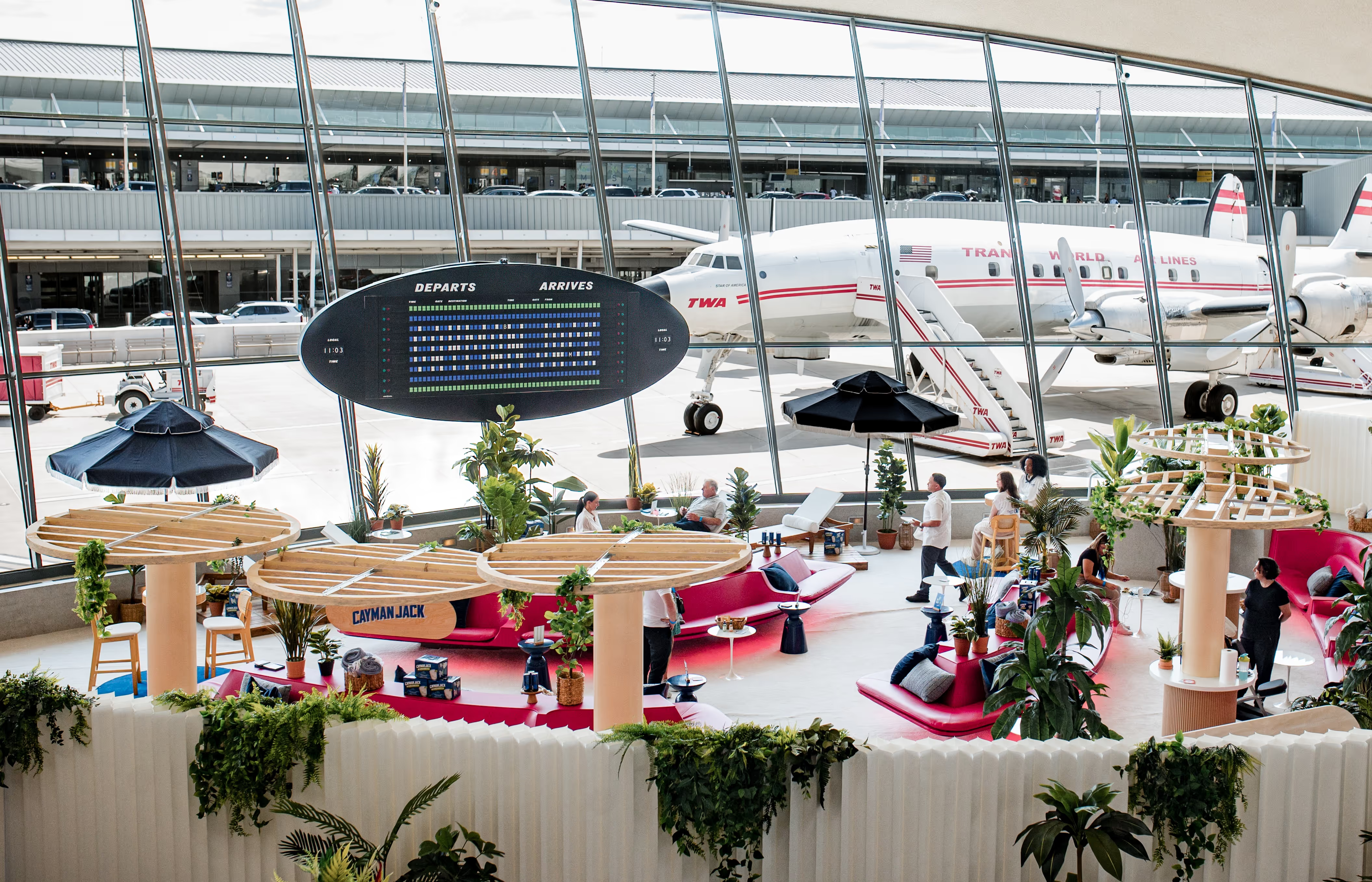
Activate had the opportunity to work with Edelman to transform travel frustration into brand education at the TWA Hotel connected to JFK Airport. The Missed Flight Lounge created an immersive jungle environment that taught travelers about Cayman Jack's brand identity: escape, relaxation, and tropical vibes.
The experience demonstrated how environmental design educates consumers about brand positioning. Lush greenery and custom structures transformed the space into a tropical escape, communicating core values. This immersive approach taught attendees what Cayman Jack represents through direct experience.
Four engagement zones each served educational purposes. The Cayman Jack Bar allowed product sampling across multiple margarita flavors, teaching taste profiles and product variety. Consumers learned through tasting rather than reading flavor descriptions, creating preferences based on direct experience.
The Cayman Spa offered eye masks, face spritzes, and chair massages, reinforcing the brand's association with relaxation and self-care. These services extended brand education beyond product attributes to lifestyle positioning. The Sunken Lounge provided space to experience the brand's escape narrative firsthand, allowing guests to embody the brand promise rather than simply hear about it.
Brand ambassadors in airport terminals distributed boarding passes to passengers with missed flights, creating anticipation and explaining the experience before arrival. At check-in, ambassadors verified bookings and set expectations, ensuring guests understood how to make the most of their time in the space. The exit Swag Bar ensured guests left with reminders that extended the experience beyond the event.
Activate: Building Knowledge That Drives Results
Activate creates brand education experiences through brand activations, mobile tours, and PR boxes. Our work combines planning with careful execution, delivering experiences that teach audiences about products and brand values across markets.
Our capabilities cover every aspect of experiential marketing, from initial concept through final execution. The Activate team manages logistics while clients focus on their objectives, from creative development to on-site activation. With a 75,000 sq. ft. facility in Metro Detroit, we handle in-house fabrication, fulfillment, and warehousing to ensure quality control across every project.
Looking to enhance your brand education strategy? Connect with us to explore how brand activations, mobile tours, and PR boxes can bring your vision to life and create experiences that resonate with your target audiences.
Frequently Asked Questions
What is brand education in experiential marketing?
Brand education in experiential marketing teaches consumers about products, brand values, and brand stories through interactive experiences. Unlike traditional advertising that tells consumers about brands, experiential marketing creates opportunities for hands-on learning through product demonstrations, immersive environments, and face-to-face interactions with brand ambassadors.
How do brand activations facilitate brand education?
Brand activations facilitate brand education through multiple touchpoints that engage audiences directly. Interactive demonstrations allow consumers to experience products firsthand while brand ambassadors answer questions and provide context. Immersive environments communicate brand values through design and atmosphere, while structured experiences guide attendees through educational journeys.
Why is experiential learning more effective than traditional advertising for brand education?
Experiential learning engages multiple senses and creates emotional connections that traditional advertising cannot replicate. When consumers physically interact with products and participate in experiences, they form stronger memories and a deeper understanding. This engagement creates personal investment in the learning process, improving retention and building authentic relationships between consumers and brands.
What types of brand education strategies work best for product launches?
Product launches benefit from strategies that combine demonstration with storytelling. Brand activations create environments where brand ambassadors can explain features while consumers experience products firsthand. Mobile tours bring products directly to target markets, allowing hands-on interaction before purchase decisions. PR boxes extend education to influencers and media, providing curated product stories that recipients can share with their audiences.
How does brand education differ from brand awareness campaigns?
Brand awareness campaigns focus on recognition and recall, ensuring consumers know a brand exists. Brand education goes deeper, teaching consumers what a brand stands for, how products work, and why certain features matter. While awareness can be built through repeated exposure, education requires interactive experiences that allow for questions, demonstrations, and personalized engagement.
How do experiential marketing campaigns measure brand education effectiveness?
Experiential campaigns measure brand education effectiveness through engagement metrics, consumer feedback, and behavioral indicators. Metrics include dwell time at educational stations, product demonstrations completed, questions asked to brand ambassadors, and follow-up actions like social media engagement or website visits. Post-event surveys assess knowledge retention, while lead generation and conversion tracking reveal whether education translates to purchase intent.