
Creating Seasonal Event Activations
Seasonal event activations bring brands to audiences when timing matters most. These campaigns align with holidays, cultural moments, and shopping periods when consumers are already thinking about specific products or experiences. A summer mobile tour might sample beverages at music festivals, while a December experience kit could deliver holiday gifts to top clients or influencers.
Execution involves coordinating mobile tours that travel to target markets, assembling and shipping experience kits from fulfillment facilities, and hosting live events timed to seasonal peaks. Summer works well for outdoor sampling and festival activations. Winter suits indoor events and gifting campaigns. The planning starts months ahead to secure permits, book venues, design packaging, and train staff before launch dates arrive.
What Are Seasonal Activations?
Seasonal event activations are campaigns built around specific times of year when consumers make predictable purchases or attend certain events. A back-to-school mobile tour visits college campuses in August when students shop for dorm supplies. A holiday experience kit ships to influencers in November before gift-buying peaks. Summer festivals provide venues for product sampling when audiences gather outdoors.
How Brands Use Holiday Marketing for Maximum Impact
Holiday periods experience higher consumer spending and engagement compared to other times of the year. Brands launch mobile tours in shopping districts weeks before major holidays to reach early shoppers. Experience kits arrive at the doors of media contacts before Thanksgiving or the December holidays, with products timed to coincide with gift-giving seasons, back-to-school periods, or summer celebrations.
The format depends on the holiday and target audience. A November activation for Thanksgiving might include sampling tours at grocery stores. December campaigns often involve experience kits with premium packaging delivered to corporate clients or brand ambassadors. Valentine's Day is well-suited for retail pop-ups, while summer holidays are great for outdoor mobile tours at beaches or parks.
Identifying Your Target Audience's Seasonal Needs
Audiences have different priorities depending on the time of year. College students typically shop for dorm supplies in August, but they focus on spring break trips in March. Parents buy back-to-school items in late summer and holiday gifts in November. Summer brings interest in outdoor activities, grilling, and travel, while winter shifts attention to indoor gatherings and comfort products.
Geography changes when seasons happen and how long they last. A summer grilling tour launches in April in southern states but waits until June in northern markets. Beach activations run from May through September in California, but only July and August in the Northeast. Route planning takes into account regional weather patterns, local event calendars, and permit requirements that vary by city and state.
Building Brand Awareness Through Timely Activations
Activations placed at the right moment reach audiences already interested in related products. A beverage brand sampling at summer music festivals meets concertgoers looking for refreshments. A technology company demonstrating its products during the back-to-school season connects with students and parents, influencing their purchase decisions. The timing makes the brand presence feel relevant rather than interruptive.
Social media sharing increases during holidays and celebrations, as people document their experiences. Photo opportunities, interactive elements, and limited products give audiences reasons to post. These shares expose brands to wider networks through authentic consumer posts rather than paid advertising.
Planning Your Seasonal Marketing Calendar
A seasonal calendar maps when to launch mobile tours, ship experience kits, and schedule live events throughout the year. Planning begins by identifying holidays and cultural moments relevant to the brand, and then determining which format best serves each opportunity. Mobile tours need several months of lead time for vehicle wrapping, route planning, and permit applications.
Experience kits require coordination with production schedules and shipping timelines. Live events require venue booking and staff hiring to be completed months in advance. The calendar strikes a balance between opportunities and production capacity. A brand might plan three mobile tours, five experience kit campaigns, and two live events over twelve months. Quarterly reviews examine which seasonal moments generated the strongest engagement and sales, and then adjust future plans based on those results.
Major Holidays and Shopping Seasons to Target
Each holiday supports specific activation formats based on shopping behavior and timing:
- Valentine's Day (February): Luxury experience kits are shipped to influencers and corporate clients before the holiday, when gift purchases peak.
- Spring (March-May): Mobile tours start as outdoor venues open and consumers spend more time outside at markets, festivals, and community events.
- Summer (June-August): Music festivals, beaches, and sporting events draw crowds, making mobile tours and product sampling opportunities more prevalent as people gather outdoors.
- Back-to-School (August-September): College campus tours and retail pop-ups reach students buying dorm supplies and parents shopping for school items.
- Halloween (October): Costume-themed activations and influencer kits reach adults who celebrate, not just families with children.
- Holiday Season (November-December): Premium experience kits, corporate gifting programs, and retail events launch during the year's highest spending period.
Creating a 12-Month Event Marketing Strategy
Major holidays anchor the calendar, but regional events, trade shows, and local celebrations fill the gaps. A beverage brand might activate at state fairs in the summer, sports tournaments in the fall, and food festivals in the spring. These campaigns reach audiences in different contexts throughout the year.
Reviews after each campaign show which timing generated the most engagement and sales. A brand might discover that September campus tours drove more product trials than expected, while a February retail event underperformed. The next year's calendar shifts budget toward September and tests a different approach for February or drops it entirely.
Creative Concepts That Drive Customer Engagement
Seasonal campaigns work best when the activation matches what audiences already do during that time of year. A grilling brand activating in summer might set up mobile cooking demonstrations at outdoor festivals where people gather to eat and socialize. A beauty brand launching a winter kit could include skincare products designed for cold weather, addressing dry skin. The format aligns with the season instead of creating a disconnect.
Product demonstrations show how items work rather than just handing out samples. A mobile tour featuring a working grill allows people to taste the results and ask questions. An experience kit with step-by-step instructions teaches recipients how to use products. These interactions provide audiences with reasons to remember the brand after the activation concludes.
Experiential Marketing Ideas for Seasonal Activations
Seasons dictate where audiences gather and what products they need. Outdoor brand activations during the summer often take place at beaches, music festivals, and sporting events, where mobile tours can offer cold beverages or product samples to crowds spending time outdoors. Winter shifts focus to indoor venues and experience kits delivered to homes when people stay inside.
- Spring: Mobile tours launch at outdoor markets, garden shows, and community events as venues reopen after winter. Experience kits with products suited to warmer weather ship to influencers and clients.
- Summer: Music festivals, beach destinations, and outdoor sporting events draw large crowds for mobile tours offering samples, demonstrations, or refreshments. Product sampling reaches consumers during leisure time.
- Fall: Back-to-school campus tours target students moving into dorms. Indoor event spaces work better as temperatures drop. Experience kits can include comfort items or seasonal products.
- Winter: Holiday gifting campaigns send premium experience kits to corporate clients and influencers. Indoor sampling events and retail pop-ups replace outdoor activations during cold months.
Examples of Seasonal Activations
These campaigns show how timing affects mobile tours, experience kits, and live events:
Detroit Lions NFL Draft Experience
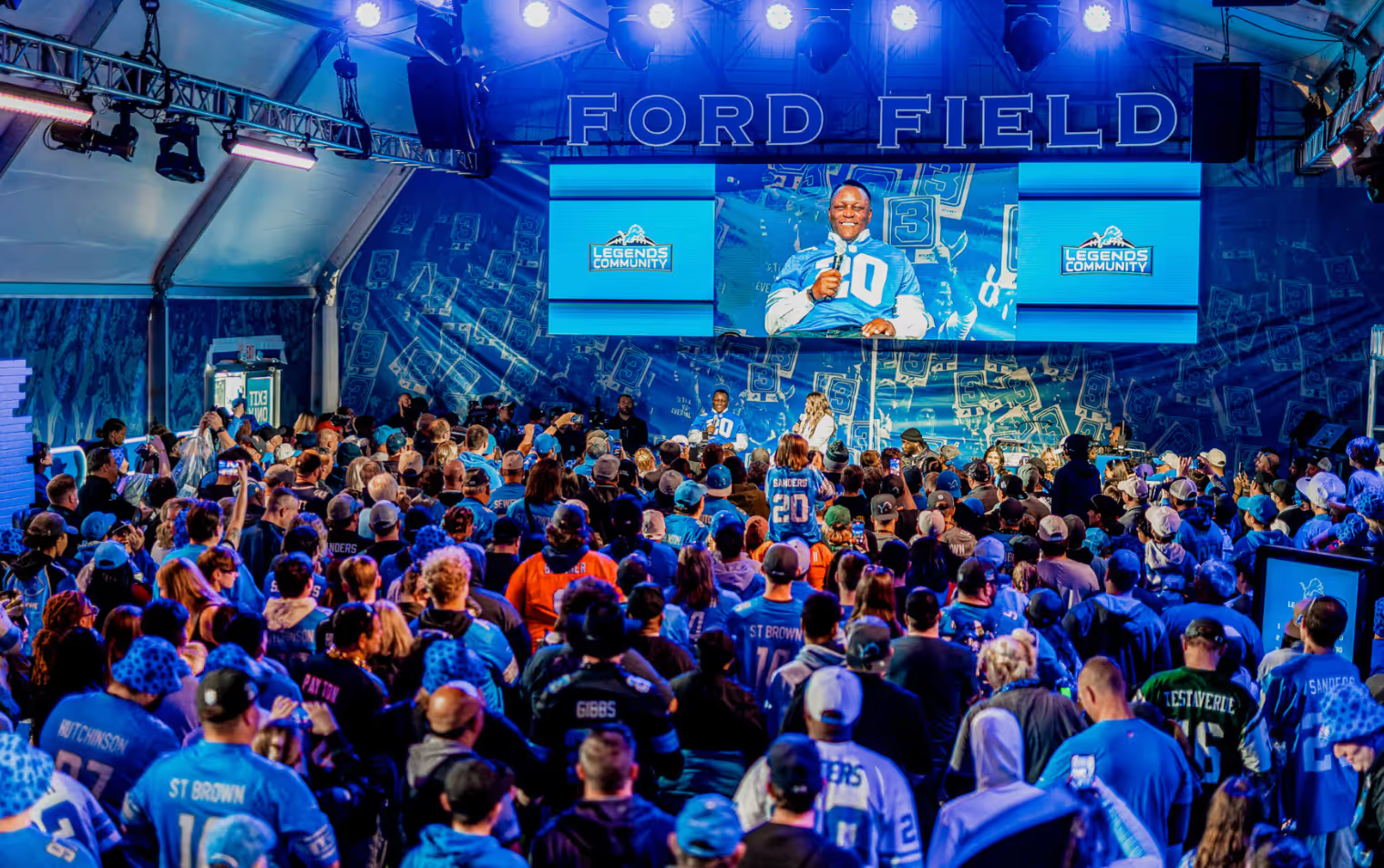
The 2024 NFL Draft brought sports fans to Ford Field during one of football's biggest annual events. The fan experience featured industrial brick textures, artwork, and memorabilia reflecting Detroit's history. Interactive elements included a tunnel replica, uniform displays, jersey mannequins, and a Coach Dan Campbell Zoltar machine.
Fans received physical takeaways at different stations: airbrush tattoos at the End Zone Ink parlor, printed photos at various exhibits, and postcards from the Journey to the Draft station. A reaction relay challenge tested football skills while arcade games and live entertainment kept energy high throughout the venue. The April timing matched when NFL Draft excitement peaks and fans travel to host cities.Meta Holiday Gifting Program
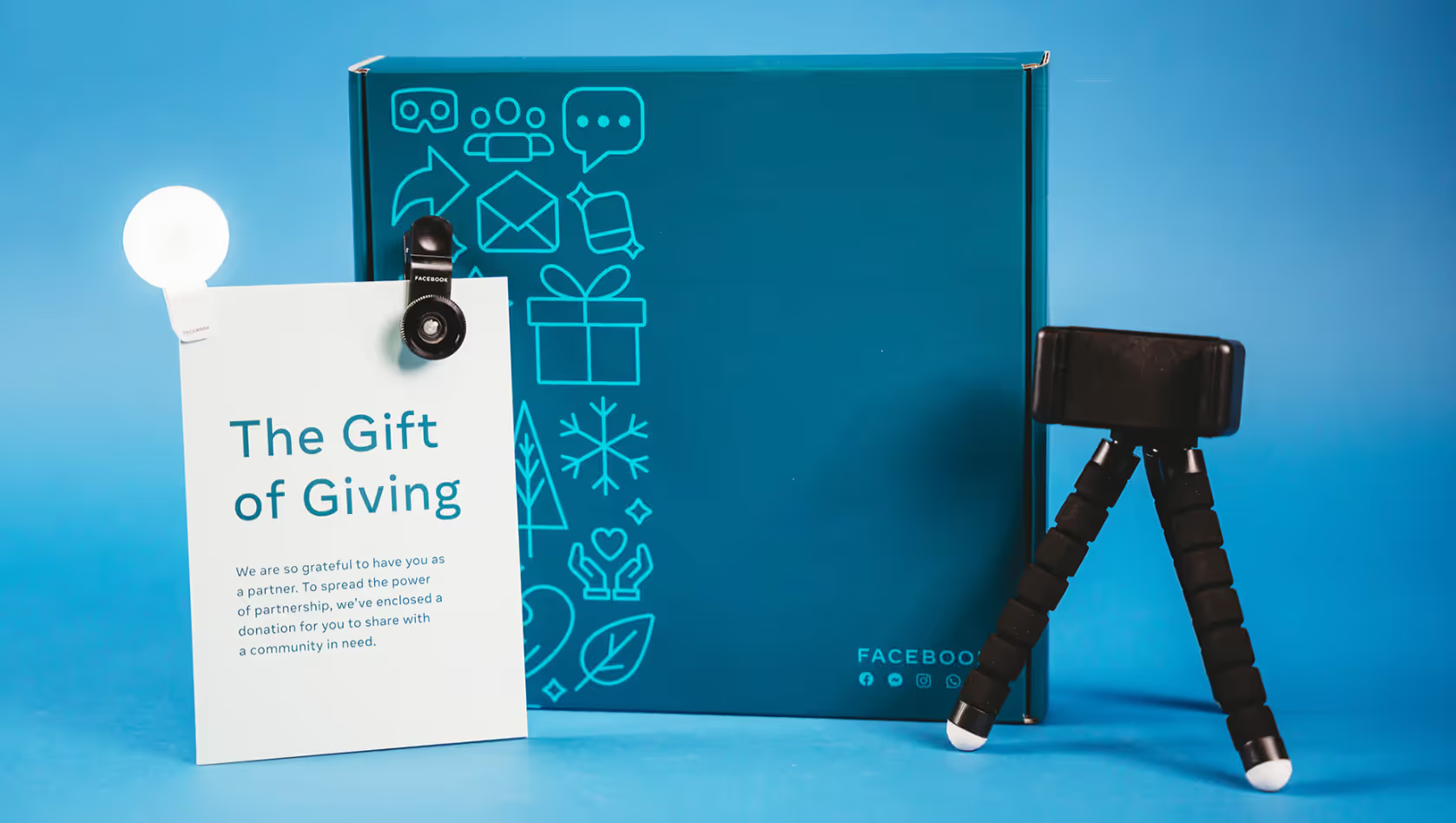
Meta's December gifting program allowed 30,000 clients to choose their own gifts through a custom website, rather than receiving identical boxes. Recipients logged in to select from three themed kits: "The Art of Photography" with smartphone camera tools, "Tackle Your Task List" with productivity items, or "Sleep + Relaxation Kit" with self-care products. Each kit included one personalized choice—a tripod or photography book, a journal or notepad, or a pillowcase or sleep mask.
The program sourced items from small and diverse business owners, then assembled and shipped six different box variations based on recipient selections. Monochromatic branded packaging with custom inserts secured each item. The December timing aligns with when corporate clients expect holiday gifts and when self-care and productivity products are most appealing, as people set goals for the coming year.
Coach Tabby Tour
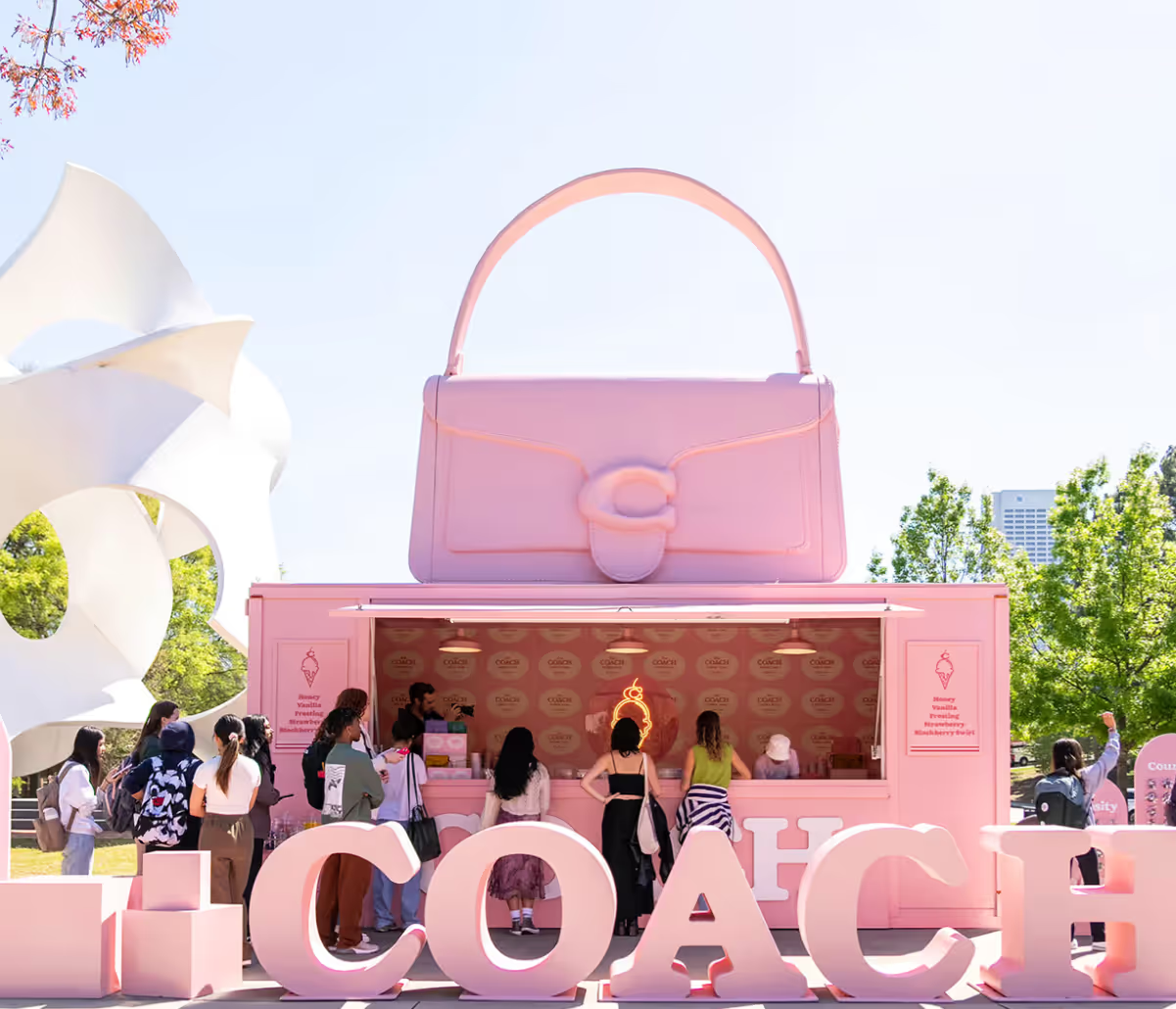
Summer ice cream consumption provided the hook for this mobile tour featuring a shipping container wrapped in Coach branding and topped with an oversized Tabby purse. Guests scanned QR codes to take quizzes that matched them with Tabby "flavors," then received color-coordinated ice cream with complementary toppings.
Little Words Project bracelets paired with the ice cream giveaways, while a dimensional arch displayed actual Tabby bags for guests to handle and try on. The tour connected Coach handbags with a summer treat people already wanted during warm months when ice cream trucks and pop-ups draw crowds.
Activate: Bringing Seasonal Brand Visions to Life
Activate executes seasonal brand activations through mobile tours, experience kits, and live events. Our 75,000 sq. ft. facility handles everything from concept development to fulfillment, with in-house capabilities that include woodworking, laser etching, 3D printing, and custom fabrication. Ready to plan your next seasonal activation? Connect with us to explore how we bring brand experiences to life during moments that matter most to your audience.
Frequently Asked Questions
What are seasonal event activations?
Seasonal event activations are campaigns timed to holidays, shopping periods, or cultural moments when consumer behavior shifts predictably. These include mobile tours at summer festivals, experience kits shipped before the December holidays, or live events during the back-to-school season.
How do seasonal activations increase brand visibility?
Seasonal activations increase brand visibility by placing experiences where audiences already gather during specific times of year. A mobile tour at spring outdoor markets or holiday retail pop-ups reaches consumers when they're actively shopping and most receptive to product interactions.
When should brands launch seasonal marketing campaigns?
Brands should launch seasonal marketing campaigns several months before target dates to complete production, secure permits, and book venues. Summer mobile tours need planning by March, while December experience kits require assembly and shipping coordination starting in September.
Why do seasonal campaigns generate higher engagement?
Seasonal campaigns generate higher engagement because timing aligns with when consumers actively seek related products and experiences. A grilling demonstration during summer barbecue season or gift boxes arriving before holidays meet audiences at moments when the content feels relevant rather than interruptive.
Where do seasonal activations work best?
Seasonal activations work best at locations where target audiences naturally gather during specific times of year. Summer campaigns suit beaches, festivals, and outdoor venues, while winter activations perform better at indoor retail spaces, corporate offices for gifting programs, or homes where experience kits arrive.
Which seasonal moments offer the strongest ROI?
Seasonal moments offering the strongest ROI depend on the product category and target audience. Back-to-school campaigns work well for campus-focused brands, summer provides opportunities for beverage and outdoor product sampling, and November through December drives corporate gifting and influencer kit programs during peak spending periods.