
Product Awareness Marketing for Successful Launches and Brand Growth
Product awareness marketing helps brands introduce new products to target markets and build recognition that drives purchase decisions. Audiences need to know a product exists, understand what problems it solves, and remember it when making buying choices. Successful campaigns combine multiple touchpoints—mobile tours traveling to target markets, influencers sharing custom PR box unboxings, and live activations generating social media buzz.
Building Brand Awareness Through Strategic Planning
Product awareness marketing starts with understanding who needs to know about a product and where to reach them. Demographics, psychographics, and behavioral data show where target audiences spend time and what messages will connect. Market research identifies the channels, messaging, and experiences that will generate strong brand awareness for specific audiences.
Market Research Identifies Target Audiences and Routes
Market research shows which demographics to target and where to find them. Data reveals whether audiences respond better to mobile tour activations at college campuses, premium PR boxes sent to beauty editors, or live events at retail locations. A brand launching athletic wear might discover its audience attends outdoor festivals, while a luxury home goods brand finds its customers at design conferences.
Customer feedback refines awareness approaches over time. Post-event surveys from mobile tour stops show which product demonstrations generated the most interest. This data informs future campaigns and route planning decisions.
Performance Metrics Track Brand Recognition Growth
Brand recognition metrics measure the effectiveness of awareness campaigns. Surveys measure aided recall (consumers recognize the product when shown the name) and unaided recall (consumers name the product without prompts). Campaigns generate multiple data points:
- Social Media Share Rates: Content people found worth spreading to their networks shows organic engagement levels.
- Hashtag Tracking: Mobile tour activations and PR box unboxings measure reach beyond owned channels.
- Email Signup Rates: QR codes at tour stops demonstrate intent to learn more about products.
- Survey Responses: Post-event feedback reveals which demonstrations and interactions generated the most interest.
Experiential Marketing Creates Face-to-Face Product Awareness
Experiential marketing builds product awareness through physical interactions that digital channels can't replicate. Trying a product at a mobile tour stop or opening a custom-designed PR box creates memories that stick.
Mobile Tours Bring Products to Target Markets
Mobile tours bring products directly to target markets rather than waiting for audiences to find them. A beverage brand's custom vehicle might visit 40 college campuses over a three-month period, offering samples and photo opportunities. Route planning targets demographics in specific cities based on product type:
- Beach Towns: Surfwear and outdoor gear brands reach active lifestyle audiences in coastal markets.
- Tech Hubs: Software and gadget launches connect with early adopters in cities like San Francisco and Austin.
- Fashion Districts: Luxury goods and apparel brands set up in shopping areas where style-conscious consumers gather.
- College Campuses: Beverage and snack brands sample products where young adults discover new favorites.
The Coach Tabby Tour featured a custom-wrapped shipping container topped with an oversized Tabby purse, traveling to multiple markets where guests took digital quizzes to discover their Tabby "flavor" and selected matching ice cream and toppings.

Premium PR Boxes Reach Influencers and Media
Premium PR boxes get products into the hands of influencers, media contacts, and VIP customers who create content for their audiences. Custom packaging tells a story—Ruggable's Rustic Rivera mailers sent press and influencers curated packages that communicated the brand's design aesthetic, and each unboxing created content that reached new audiences through social sharing.
Laser etching, 3D-printed elements, and branded inserts make the moment someone opens a box feel truly special. These packages serve a dual purpose: they introduce products and generate social content that continues to spread awareness.

Live Activations Create Product Experiences
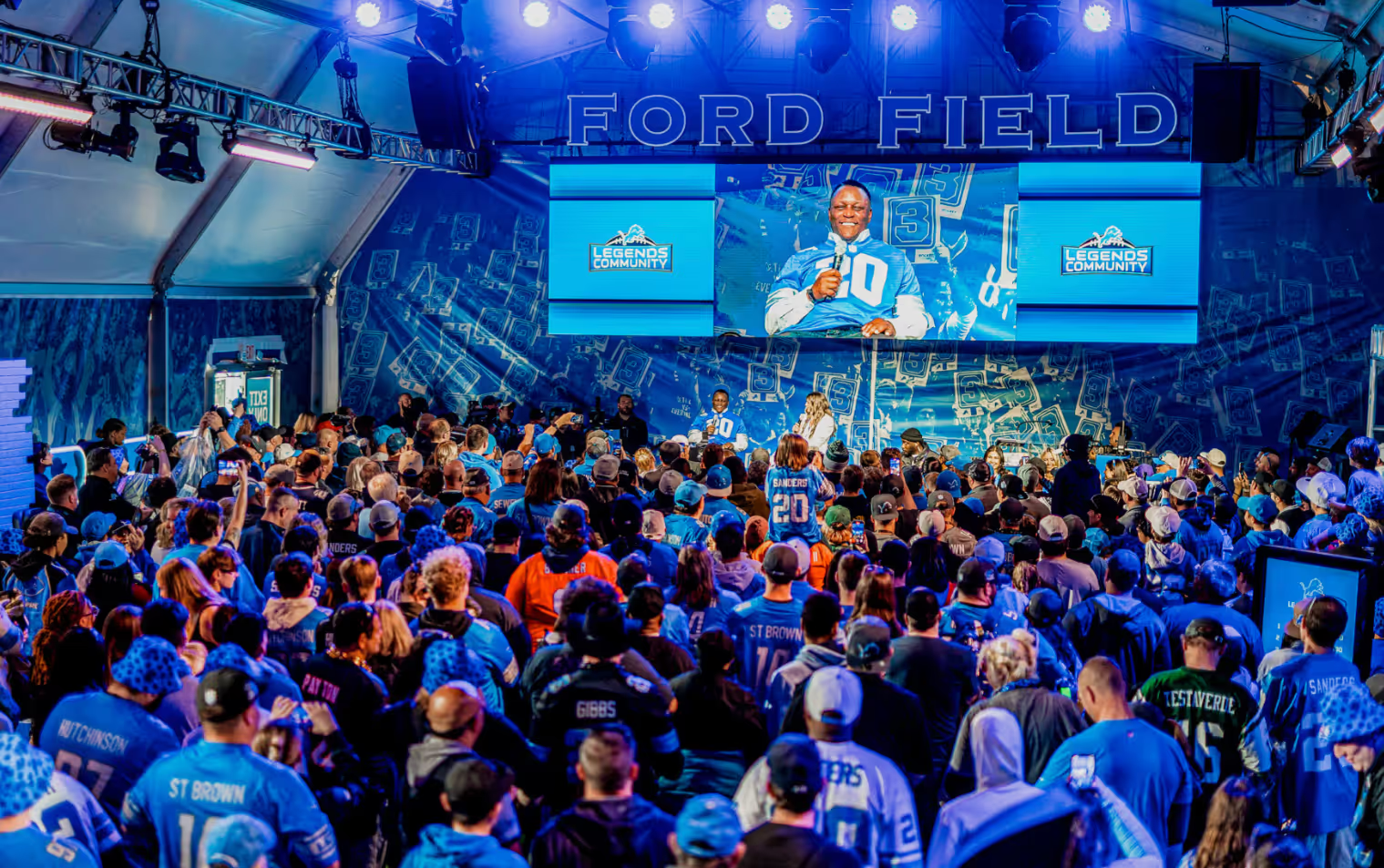
Live brand activations turn spaces into product environments where attendees interact with products. The Detroit Lions' 2024 NFL Draft activation at Ford Field featured interactive zones where fans tested skills, took photos with oversized brand elements, and explored team history.
Attendees left with memories and content to share on social media. Live activations generate organic word-of-mouth and social sharing that spreads awareness to people who did not physically attend the event.
Increase Brand Awareness With Activate's Experiential Marketing
Activate produces product awareness through mobile tours, experience kits, and live events. We handle every aspect of product launch campaigns—from strategic planning and route development to fabrication and on-site execution. Our 75,000 sq. ft. Metro Detroit facility includes in-house woodworking, laser etching, 3D printing, and custom fabrication capabilities that bring product displays and packaging to life.
Ready to launch your product with impact? Connect with us to see how mobile tours, experience kits, and live events can build awareness and reach your target audience.
Frequently Asked Questions
What is product awareness marketing?
Product awareness marketing introduces new products to target audiences and builds recognition that drives purchase decisions. This marketing approach utilizes mobile tours, premium PR boxes, and live activations to create memorable interactions that help consumers recall products when making purchasing decisions.
How does product awareness marketing work?
Product awareness marketing works by creating multiple touchpoints where audiences encounter and interact with products across different channels. Mobile tour activations bring hands-on product experiences to target markets, premium PR boxes generate influencer content and unboxing moments, and live events create immersive environments where attendees engage with products in shareable ways.
What are the most effective product awareness marketing strategies?
The most effective product awareness marketing strategies combine experiential elements that create face-to-face connections with products. Mobile tours that travel to target demographics, custom PR boxes designed for influencer unboxing content, and live brand activations with interactive elements generate stronger recognition than digital marketing alone.
How do you measure product awareness marketing success?
Product awareness marketing success measures through brand identity and
recognition surveys, social media engagement from experiential activations, and website traffic increases following campaigns. Post-event surveys from mobile tour stops, hashtag tracking from PR box unboxings, and email signups collected at live activations all provide data on how well campaigns built product recognition.
What channels work best for product awareness campaigns?
Channels that work best for product awareness campaigns include mobile tours that bring products directly to consumers, premium PR boxes that reach influencers and media contacts, and live events that create immersive brand experiences.
How long does it take to build product awareness?
Building product awareness takes sustained effort across multiple touchpoints over weeks or months, depending on campaign scope. A mobile tour visiting 30-50 markets over three months, combined with ongoing PR box deliveries and live activations, creates compounding recognition as each experience generates social sharing and extends reach to new audiences.