
Mobile Marketing Tour Planning Timeline: Project Milestones
Mobile marketing tour planning timelines can span weeks or months, depending on vehicle customization, route scope, and production requirements. A regional tour hitting five cities needs different preparation than a nationwide mobile marketing tour covering dozens of markets with custom fabrication and multi-state permitting. Breaking the process into clear phases helps marketing teams anticipate bottlenecks, coordinate vendor schedules, and launch on time.
Research and Route Strategy
Planning starts with identifying target demographics, activation goals, and priority markets. This phase determines whether the program will cover a few regional stops or expand into a national mobile marketing tour across multiple states. Route strategy considers drive times between cities, seasonal weather, and local events that draw target audiences. Local partners help secure permits and identify high-traffic locations. Permit approval timelines range from a few days in some cities to some weeks in others—insurance certificates, health department approvals, and special event applications vary by market. Submitting permit applications early prevents scheduling delays.
Concept Development
Tours need flexibility for parking lots, festival grounds, retail locations, and street activations while maintaining consistent branding. Creative teams can turn tour goals into vehicle designs, interactive elements, and consumer flows. Design work includes:
- Traffic Patterns: How people enter, move through, and exit the activation.
- Product Sampling Stations: Where consumers try products and pick up samples.
- Photo Moments: Branded backdrops and setups built for social media posts.
- Brand Ambassador Positioning: Where staff stand to interact with consumers naturally.
Selecting mobile marketing tour venues starts with foot traffic counts, then narrows down based on whether trucks can access the site and how long it takes to secure permits.
Production and Fabrication
Vehicle wraps, structural builds, and interactive installations begin once designs are approved. Vehicle modifications, specialty printing, and branded props take a few weeks to complete, while standard materials can ship within shorter timeframes. Fabrication teams work with graphic designers and project managers throughout the build process. Teams run full test setups before launch to confirm builds match approved designs and verify technology works as planned. Inventory systems track product samples and branded giveaways across all stops, with real-time data indicating when to reorder based on distribution speed in each market.
Staffing and Training
Tour managers, brand ambassadors, and logistics coordinators learn brand messaging, product details, and operational procedures before launch. Brand ambassador selection focuses on communication skills and whether their demographics match the target audience. Training covers engagement methods, lead capture steps, and troubleshooting common scenarios. Role-playing exercises let staff practice interactions before going live. Staff performance impacts whether activations feel genuine or forced.
Pre-Launch and Final Testing
The weeks before launch involve final logistics confirmation and systems testing. Tour assets get staged, inventoried, and loaded for transport. Teams confirm hotel bookings, parking access, and site entry for each stop. Pre-tour promotion starts with social media posts, local PR, and email campaigns that announce tour dates and locations. Teams run a complete setup and breakdown to test:
- Check-In Procedures: Registration processes that capture attendee data.
- Product Sampling Flows: How samples get distributed and tracked.
- Photo Stations: Camera setups and social content sharing tech.
- Lead Collection Tools: Forms or tablets that gather consumer contact details.
The benefits of mobile marketing tours are evident when consumers take home samples and share their experience on social media the same day.
On-Tour Operations
Tour managers track engagement numbers, sample distribution, social media mentions, and consumer feedback once the tour launches. Daily briefings keep staff aligned on performance and any needed changes. Brand ambassadors report what they're hearing from consumers that doesn't appear in the numbers. Analysis after each market stop shapes decisions for upcoming cities. Strong responses to specific interactions get emphasized at future stops. Low inventory triggers reorders to avoid running out.
Mobile Marketing Tour Examples
Two recent mobile marketing tours show how Activate builds activations for trade audiences and consumer fans.
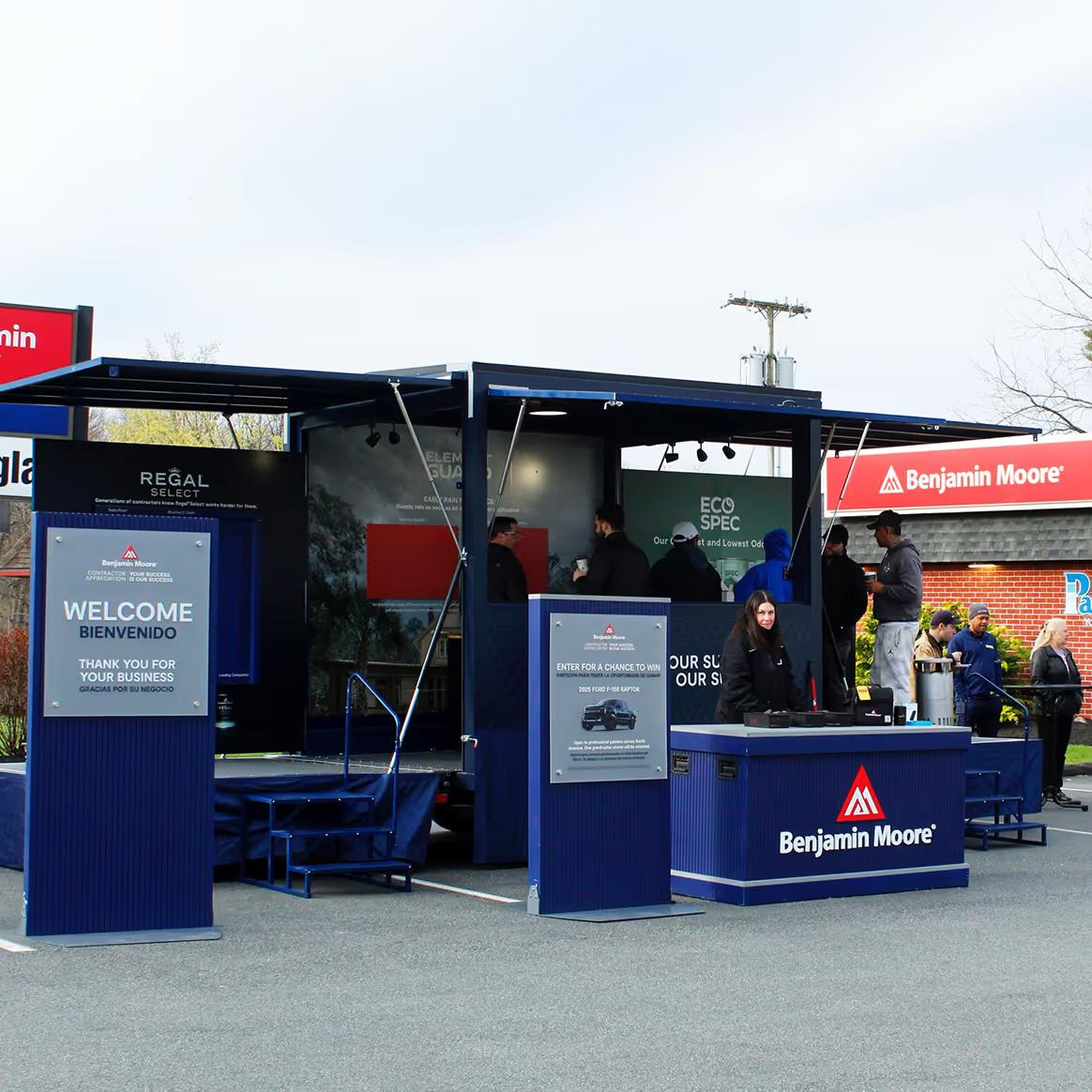
Benjamin Moore Contractor Appreciation Tour
Benjamin Moore expanded its contractor appreciation program with a 26-foot mobile stage trailer that visited retail stores across the U.S. and Canada. Contractors compared Regal Paint's performance to competitors on a demo wall and conducted an Eco Spec smell test. Each stop offered catered breakfasts and premium gifts—Carhartt coolers, Yeti koozies, or Anker power banks. A Ford F-150 Raptor sweepstakes drove registrations.
Detroit Lions We Want More Playoff Tour
The Lions needed a statewide tour to build playoff energy across Michigan on a tight timeline. Activate deployed a 45-foot-branded bus, hitting high-traffic areas. Fans entered a Dan Campbell phone booth for playoff ticket giveaways, posed with an illuminated Lions chain, and met team legends. The tour included 2D logo letters, an 8-foot Bud Light inflatable, cornhole, and custom cookies.

Plan Mobile Marketing Tour Timelines With Activate
Activate designs and manages mobile marketing tours for global brands from concept through execution. Our team handles route planning, permitting, staffing, and logistics while building the tour components that bring brands to consumers. With a 75,000 sq ft facility and permitting contacts nationwide, we manage mobile marketing tour planning timelines from strategy through completion. Fill out our contact form to start your mobile tour.
Frequently Asked Questions
What does mobile marketing tour planning involve for brand activations?
Mobile marketing tour planning coordinates design, production, permitting, staffing, and routing. Timelines vary based on customization scope and whether tours cover a few regional stops or expand nationwide.
How does mobile tour lead time differ from event planning?
Mobile tours require vehicle customization, multi-city permitting, and route logistics. Events focus on one venue with single-location permits.
Why do custom builds extend production schedules?
Vehicle modifications, specialty printing, and branded installations take weeks to complete from approval through quality testing. Standard materials ship faster.
Where do brands find high-traffic locations for mobile marketing tours?
Route planning targets areas with concentrated demographics, local events, and seasonal foot traffic. Local partners identify specific high-visibility spots in each market.
When should permit applications start for mobile tours?
Cities approve permits anywhere from days to months after submission. Starting early prevents schedule delays.
Who prepares brand ambassadors for mobile tour activations?
Tour managers train ambassadors on brand messaging and product details. Practice sessions prepare staff for live consumer interactions.