
How to Create Memorable Unboxing Experiences
Memorable unboxing experiences turn deliveries into content people want to share. Thoughtful design, premium packaging, and storytelling produce social posts and leave lasting impressions between brands and their audiences.
How Unboxing Builds Engagement
Recipients photograph PR boxes that include intentional design and product selection. Structure, presentation, and contents work together to produce share-worthy moments.
Design and Personalization
Color schemes, typography, and structural packaging establish brand recognition before the box opens. Material weight and texture signal quality, while product arrangement controls the reveal sequence and directs attention to featured items.
Signed letters, monogrammed items, and recipient-specific product selections build emotional connections. Packages tailored to recipient preferences get more social shares than generic deliveries because people respond when something feels made for them specifically.
Packaging Design
Material and structural choices influence how recipients perceive brands. Every decision in packaging communicates positioning and shapes the customer experience.
Materials and Construction
Physical pieces set quality perception the moment someone picks up the package. Magnetic closures, custom inserts, and how products sit inside the box all show whether you care about what you're sending.
Paper weight, finishing techniques, and sustainable options all register with recipients—not just because they sound good, but because people notice these choices. Surface textures, how materials interact, even the sound a box makes when it closes—these details add up to whether someone thinks "this brand gets it" or "they just threw this together."
Color and Brand Integration
Visual consistency reinforces who you are. Color use should be deliberate—it drives specific responses whether you plan for it or not. Logo placement, patterns, and branded elements need to feel intentional rather than slapped on every available surface.
Subtle integration usually wins over overwhelming coverage. If you're designing for social, use colors and contrasts that photograph well. Packaging that looks great in person but photographs flat isn't doing its job.
Influencer Packaging Kits
Influencer kits need to be shareable while maintaining brand messaging. These campaigns succeed when they give creators content opportunities without telling them what to do.
Designing for Content Creation
Understanding how influencers work helps you design better kits. Multiple layers and reveal moments give creators natural content breaks, offering options for showcasing the experience across different platforms.
Good arrangement and color coordination reduce creator prep time—when packages open to camera-ready presentations, content creation becomes easier. Things people don't expect or unique ways of presenting items drive engagement. These moments give creators something specific to feature rather than just another product shot.
Balancing Brand and Creator Needs
Good kits serve campaign objectives while working for creators. Brand elements should be present but not restrictive—creators need flexibility to integrate products authentically into their content.
Different levels or customizable components allow campaigns to work across creator tiers, since what works for micro-influencers may differ from what larger creators prefer. Shipping logistics, content windows, and program requirements all matter. Coordinating these elements lets creators participate within campaign timelines.
Getting People to Share
Impact goes beyond who receives the initial package. Certain design choices get people to post and share organically.
Why People Share Great Unboxing Experiences
Unexpected items or presentation methods get real reactions—these moments feel genuine because recipients share honest responses. Unique structures or presentation styles stand out in crowded feeds, giving content better chance of stopping scrollers.
Packaging that tells a clear brand story gives recipients context for their posts. This helps them explain what makes the experience notable rather than just posting another product photo.
Measuring Social Performance
Likes, comments, shares, and saves show how content performs. These numbers tell you whether experiences translate into social interaction. Tracking how content travels beyond initial recipients shows campaign impact—quality experiences get shared organically. Looking at how recipients showcase experiences provides insights for future campaigns. This feedback informs what to adjust next time.
Fulfillment and Execution
Consistent experiences at scale require systems that maintain quality across all recipients. Proper fulfillment means every package delivers what you intended.
Quality Control
Assembly systems protect your reputation. Verify everything before it goes in the box—missing items or wrong products kill even the best-designed campaigns. Assembly protocols and checkpoints keep quality consistent across thousands of packages.
The goal is every recipient gets the same experience, not hoping whoever packed their box was having a good day. Protect contents properly and ship securely. You can't recover from damaged presentation, and a crushed box destroys months of work.
Managing Scale
Balancing customization with practical fulfillment separates programs that work from ones that collapse. Systems that track individual preferences or different tier levels make personalization possible without manual chaos.
Technology handles requirements that may not scale otherwise. Real-time inventory tracking catches problems before they become shortages. Timing counts—coordinated delivery produces collective moments and drives social momentum when everyone receives packages at once rather than trickling in over weeks.
Campaign Examples
Three campaigns show what happens when packaging design meets execution. Each took a different approach based on audience and objectives.
Ruggable Rustic Rivera Mailers
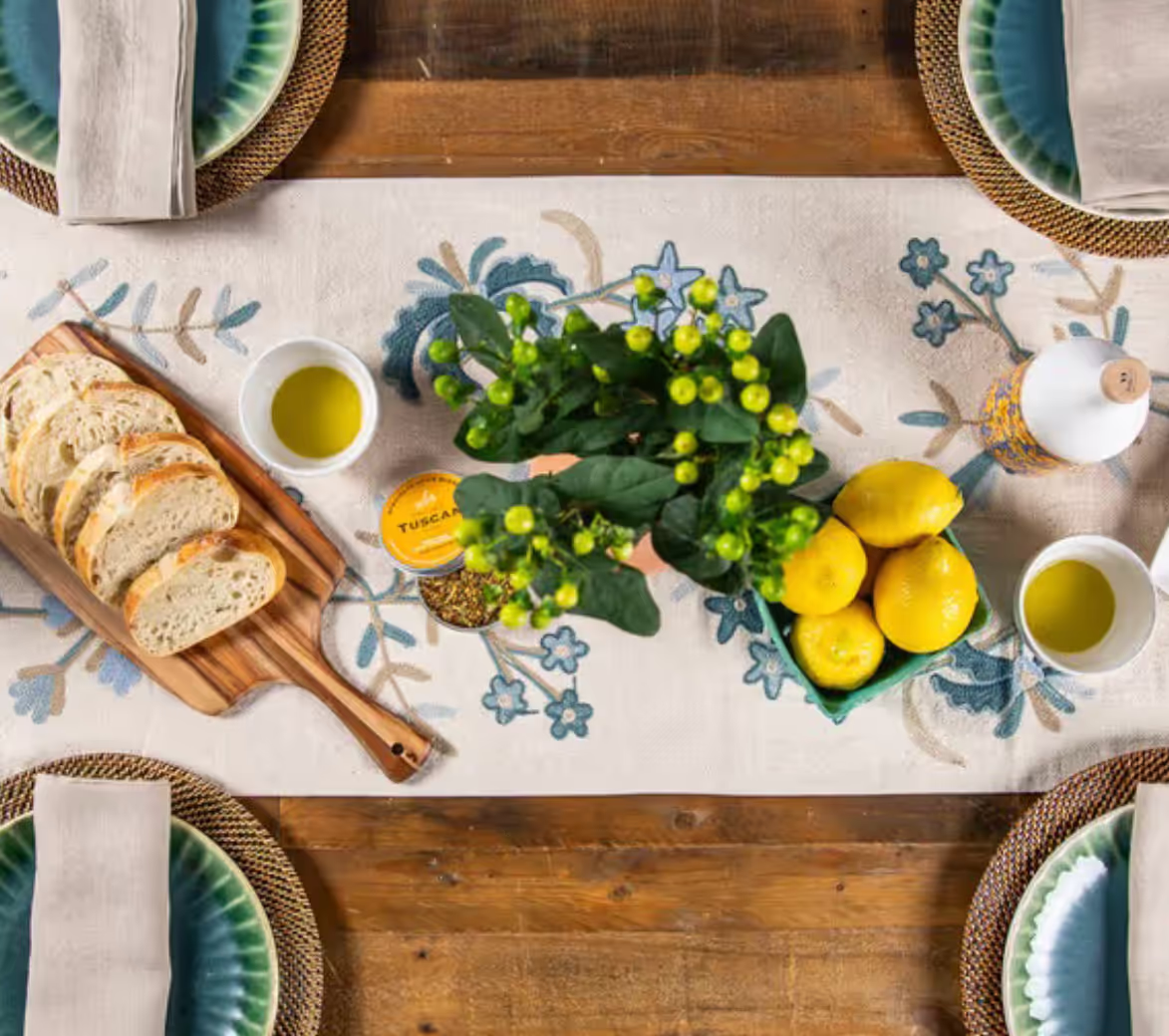
Ruggable's press mailer brought their Rustic Rivera collection to life through themed packaging. The kit transported recipients into a southwestern-inspired lifestyle with coordinated colors, textures, and carefully selected products that reflected the rug collection's aesthetic. The campaign generated press coverage and social media posts from influencers and editors.
Meta Holiday Gifting
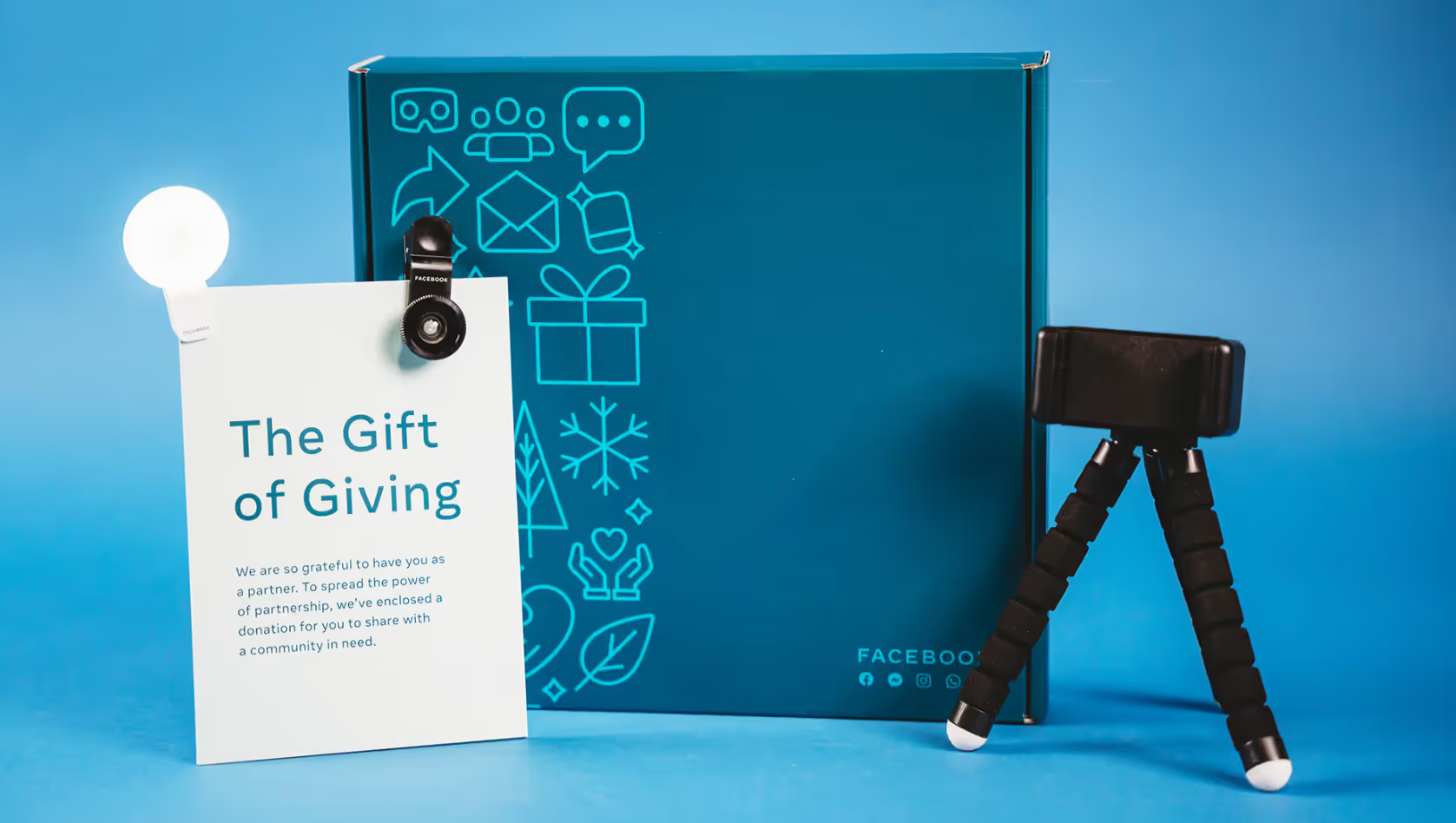
Meta's corporate holiday program used tiered personalization to send different gift levels based on recipient relationships. Top-tier recipients received premium packages with high-end items, while broader distribution included scaled options that still felt personal. Every package maintained Meta's brand identity while acknowledging the different recipient segments.
Delta x Amex Loyalty Program
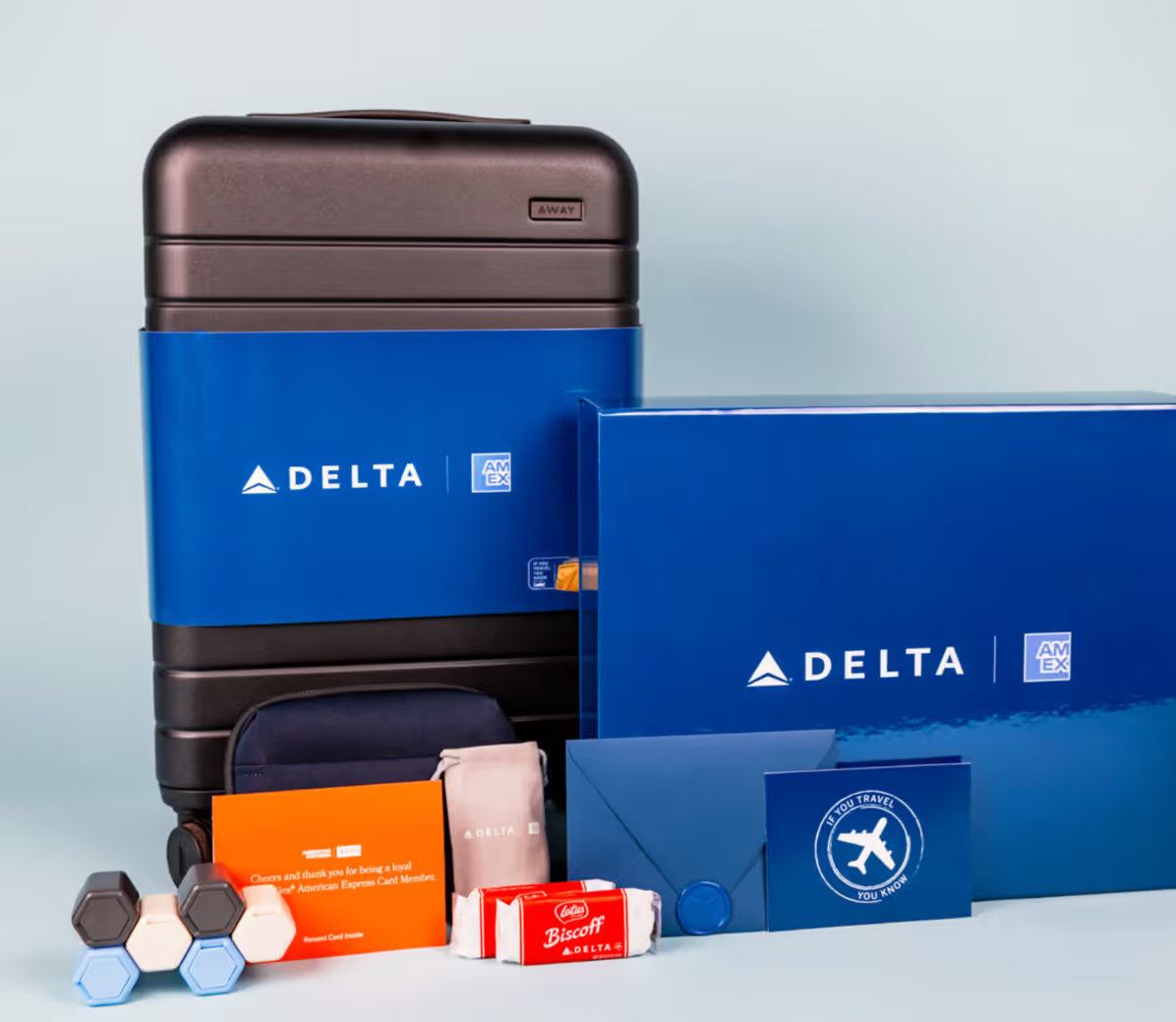
Delta and American Express partnered on a program that rewarded high-value cardholders. The packages included travel accessories and products from both brands, reinforcing the premium partnership. Recipients felt recognized for their loyalty, strengthening relationships with both Delta and Amex.
Building Your Unboxing Campaign
What you want to accomplish shapes every decision in your program. Budget, timeline, and audience all play into how you structure the experience.
Set Your Success Metrics
Campaign goals dictate which numbers count. Tracking the wrong metrics wastes time and money, while focusing on relevant data shows whether your program hits its mark.
- Awareness Campaigns: Track reach and impressions—how many people see content, who shares it, and how far it travels.
- Loyalty Programs: Monitor recipient satisfaction, participation rates, and personal experiences through product value.
- Product Launches: Measure whether people understand the product and want to buy it, balancing information with excitement.
Allocate Your Resources
Budget controls everything from package design to how many markets you can reach. Know your constraints upfront to prevent scope creep and deliver what you design.
- Package Tiers: Premium versions for top clients, scaled options for wider distribution. Different audience segments get appropriate experiences without breaking the bank.
- Timeline: Quality takes time. Rushing production means details get missed, and details make the difference between forgettable and memorable.
- Fulfillment: In-house assembly gives you control over customization and quality. Know what your fulfillment partner can handle before you design something they can't execute.
Activate's Unboxing Experiences
At Activate, we execute unboxing programs that drive measurable results for global brands. Our 75,000 square foot facility handles kit assembly, custom packaging production, and global shipping coordination from concept through delivery.
Ready to build unboxing experiences that hit your marketing goals? Connect with us to discuss how our fulfillment capabilities can support your next campaign.
Frequently Asked Questions
What makes an unboxing experience memorable?
Memorable unboxing combines visual impact, thoughtful material choices, and product presentation. The most effective programs include multiple reveal moments and details recipients notice—personalized elements, quality materials, unexpected components.
How do you design influencer packaging that produces social content?
Kits that work prioritize photography-ready presentation with strong color coordination and structured reveals. Design should offer content moments while allowing creators to be authentic.
What's the difference between standard packaging and packaging designed for unboxing?
Standard packaging focuses on product protection. Packaging materials designed for unboxing builds intentional customer experiences. Unboxing design considers every touchpoint—outer containers, tissue paper, insert sequencing—as opportunities for brand experiences.
How do packaging materials influence the experience?
Materials directly shape quality perception. Premium paper stocks, magnetic closures, custom inserts, and texture choices all contribute to how recipients perceive brand positioning.
What role does personalization play in unboxing?
Personalization turns generic deliveries into individual brand moments. Customized messages, name inclusion, or content selected for specific preferences show attention to detail.
How do brands measure unboxing program success?
Track metrics that match campaign objectives. Social media monitoring shows content production, reach, and engagement rates. Recipient feedback provides insights into what worked and what didn't.