
Influencer Marketing Campaign Types and How They Work
Influencer marketing campaign types fall into four categories based on payment structure and commitment level. Product seeding gives creators free items without requiring posts—they share only if they want to. Sponsored posts pay creators to publish specific content by set dates with agreed deliverables. Event campaigns invite creators to brand activations where they document their experiences and post throughout.
Ambassador programs establish contracts where creators represent brands for months or years through regular content. Brands earn an average of $5.78 for every dollar spent on influencer marketing, with top campaigns achieving $18 to $20 per dollar invested.[1]
What Are Influencer Marketing Campaigns?
Influencer marketing campaigns pay creators or provide free products in exchange for content that promotes brands to their followers. Campaigns take multiple forms—sponsored posts with set deliverables, product gifting with no posting requirements, event invitations for real-time coverage, or long-term ambassador contracts.
Sponsored posts require upfront fees and guaranteed content by specific dates; product seeding covers only shipping costs but may not generate posts. Event programs involve venue and logistics expenses plus creator appearance fees, and ambassadorships require sustained monthly payments for ongoing visibility.
Paid vs Organic Influencer Marketing
Paid influencer marketing compensates creators for guaranteed content with specific requirements, like post count, format, dates, and messaging, plus usage rights to repurpose the content for paid advertising or to boost posts through paid social promotion.[2] Organic influencer marketing sends products without payment or posting requirements—creators share if items fit their content, and brands can repost on owned channels without additional fees, though usage terms should be agreed upon upfront.
Deciding between paid vs organic influencer marketing comes down to cost and control. Paid campaigns cost more but deliver predictable results with measurable ad performance, while organic approaches like product seeding cost less but may produce no content.
Choosing Influencer Tiers for Your Goals
Influencer tiers determine reach, cost, and engagement quality. Bigger follower counts mean broader visibility but higher fees and often lower engagement rates:
- Mega Influencers: Millions of followers create mass visibility for large-scale product launches, but expect high costs and audiences that may not interact deeply with content.
- Macro Influencers: 100,000 to one million followers provide solid reach within specific categories like fashion, beauty, or fitness while maintaining niche credibility.
- Micro Influencers: 10,000 to 100,000 followers balance targeted reach with authentic community connections, working well for brands needing category expertise without mega-influencer budgets.
- Nano Influencers: Under 10,000 followers produce the highest engagement rates through tight-knit audience relationships, ideal when trust and genuine recommendations drive purchasing decisions.
Influencer marketing benefits brands by reaching audiences through trusted creator recommendations, offering discount codes, and tracking which influencers drive sales.
Setting Campaign Objectives and KPIs
Awareness campaigns measure reach—how many people see your brand. Conversion campaigns measure sales through promo codes, affiliate links, and purchase data. Community campaigns measure engagement like comments, shares, and ongoing interactions.
Choose metrics before launch. Brand mentions and follower growth reveal visibility. Website traffic from influencer posts reveals interest. Sales from discount codes reveal purchases. Track metrics tied to your goal. Product launches care about sales, not likes. Brand recognition cares about reach, not conversions.
Popular Influencer Marketing Models
Influencer marketing models fall into these categories based on how brands work with creators and what content they produce:
Product and Unboxing Reviews
Product promotion reviews send items to creators for honest evaluation. Beauty influencers test makeup and skincare, fashion influencers try clothing and accessories, and fitness influencers assess workout gear. Unboxing content captures initial reactions to packaging and first impressions.
Product seeding sends items without requiring posts. Creators share if products fit their content and audience. This costs less than sponsored posts but offers no guarantees on timing or coverage. Reviews feel more authentic than paid promotions because creators control the narrative and can share honest opinions, including criticisms.
Event-Based Influencer Campaigns
Event invitations bring multiple creators to brand activations, product launches, or mobile tours for in-person experiences and real-time posting. Multiple influencers posting at once increases visibility faster than individual posts spread over weeks:
- Pre-Event Coverage: Invited creators share they're attending, building anticipation with their followers before the event starts.
- Real-Time Event Content: Creators post experiences as they happen, showing behind-the-scenes access, product interactions, and event atmosphere throughout the day.
- Post-Event Recaps: Detailed reviews and recaps follow days or weeks after the event, keeping campaign visibility alive after the event ends and providing deeper product analysis.
- Campus Tour Programs: Mobile tours pair with local student influencers who reach college audiences, documenting brand experiences at each stop and sharing with campus followers.
Brand Ambassador Events
Brand ambassadorships sign creators to represent brands for months or years, rather than single posts. Ambassadors feature products regularly in their content, creating repeated visibility as their followers see the brand multiple times across posts.
These programs cost more upfront, but reduce the constant work of finding new creators for each campaign. Ambassadors learn brand guidelines once and produce aligned content without detailed direction every time. Fashion influencers might wear a brand's clothing across outfit posts for six months. Fitness influencers might use supplements in workout content for a year.
Contests, Giveaways, and User-Generated Content
Participation-based campaigns turn audiences into active contributors instead of passive viewers:
- Contest Campaigns: Followers compete for prizes by commenting, sharing posts, or creating content about brands, spreading awareness as they share with their networks to increase their chances of winning.
- Giveaway Campaigns: Simple entry mechanics like "follow and tag three friends" drive fast engagement and follower growth, though new followers attracted solely by free products often don't convert into paying customers.
- User-Generated Content Campaigns: Branded hashtags prompt customers to share their own product experiences, creating authentic content from real users that brands can reuse while building a community around shared interests.
Affiliate and Performance Programs
Affiliate marketing pays creators commissions on sales rather than flat fees upfront. Creators share unique discount codes or trackable links, earning a percentage of purchases their followers make. Brands only pay when someone buys, reducing risk compared to paying for posts that might not convert.
This format suits e-commerce brands selling products online, where tracking links connect creators to specific purchases. It fails for awareness campaigns or in-person retail, where you can't track which influencer drove which sale. Creators who focus on affiliate content tend to promote aggressively since their income depends on conversions, which can feel pushy to audiences.
Influencer Marketing Campaigns in Action
These two campaigns show how influencer partnerships function across mobile tours and live events:
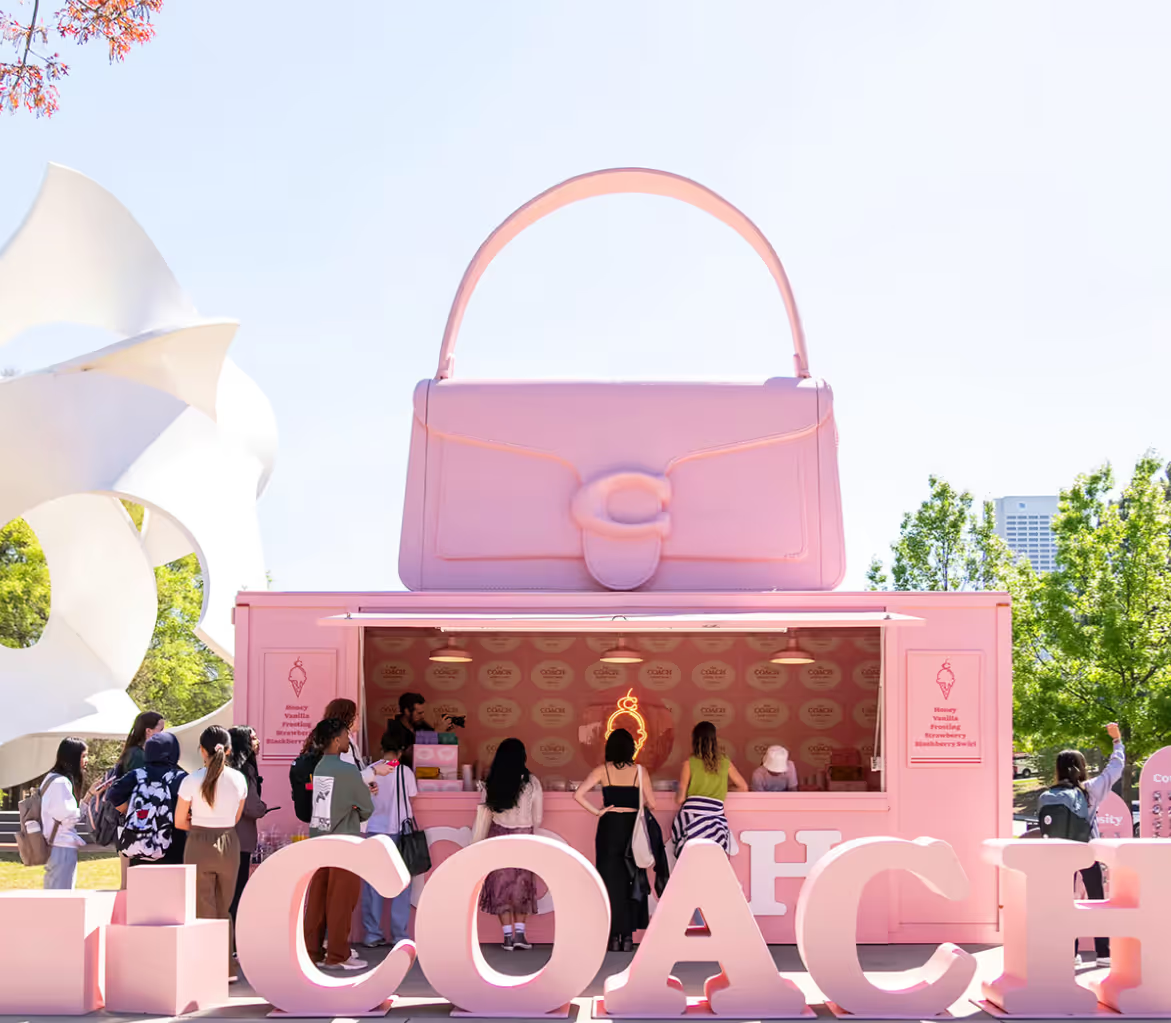
Coach Tabby College Tour
The Coach Tabby Tour visited college campuses with a custom-wrapped shipping container topped with an oversized foam Tabby purse. Campus influencers took digital quizzes to find their Tabby "flavor," then received matching ice cream with coordinated toppings and Little Words Project bracelets. They tried on displayed Tabby bags and posted throughout the experience.
The color-matching system—quiz results tied to bag colors tied to ice cream flavors—gave influencers a content structure to follow. Student creators shared quiz results, their ice cream selections, bracelet giveaways, and bag try-ons across Instagram and TikTok. The campus-specific location reached college audiences through local influencers who already had student followers.
Hot Topic x Xochitl Gomez Activation
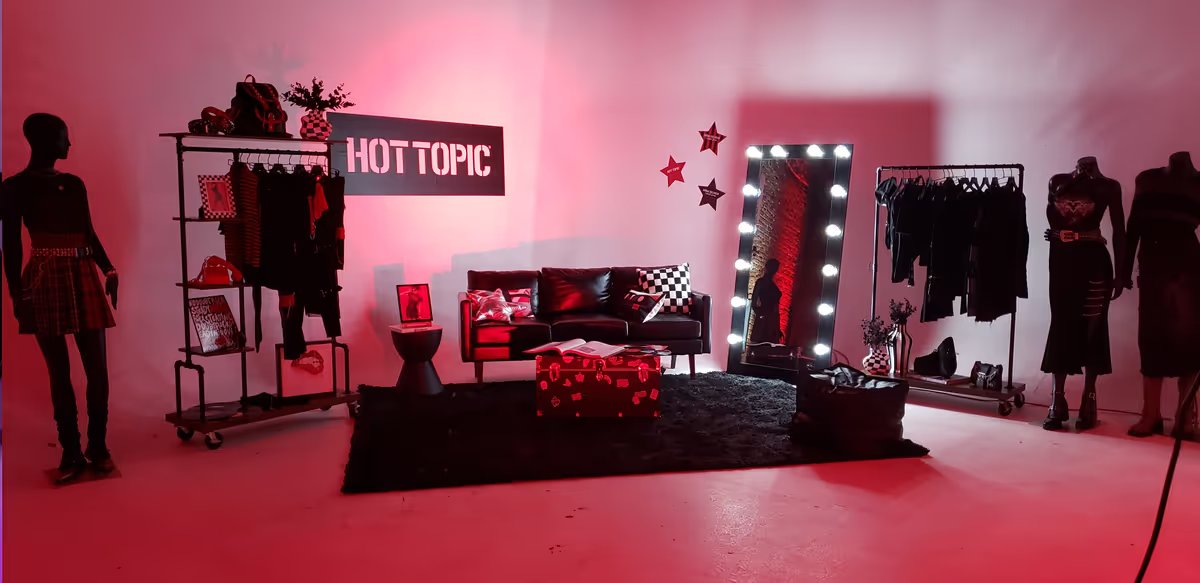
Hot Topic announced actress Xochitl Gomez as their new Chief Style Officer at a Downtown Los Angeles event for influencers and media. The venue featured a star installation and step-and-repeat for photo content, a dressing room setup where attendees could try on the Social Collision x Xochitl Gomez collection, and airbrushed hoodie customization stations.
Temporary tattoo stations, themed mocktails, Korean BBQ from a food truck, and a live DJ kept people engaged throughout. Influencers posted about the Chief Style Officer announcement, their customized hoodies, and collection pieces they tried on. The event generated social coverage for both Gomez's new role and the collection launch, with influencer attendees sharing content during and after.
Influencer Program Management With Activate
Activate handles influencer marketing campaigns, including creator identification, vetting, outreach, contracting, and ongoing coordination. We get the right creators to your events and make sure products reach their doorsteps for PR mailers. Our team oversees pre-event logistics, on-site coordination, and post-campaign reporting with reach and engagement data.
Ready to add influencer partnerships to your next campaign? Fill out our contact form to start the conversation.
Frequently Asked Questions
What distinguishes product seeding from sponsored influencer content?
Product seeding provides items without content requirements or payment, allowing organic sharing if products align with creator interests. Sponsored content involves contracted agreements with specific deliverables, timelines, and compensation.
How do brand ambassador programs differ from one-time influencer campaigns?
Ambassadorships create ongoing relationships where creators regularly feature products over extended periods. One-time campaigns produce isolated content with defined start and end dates.
What influencer marketing campaign types generate the highest engagement rates?
Contest and giveaway campaigns typically produce immediate engagement spikes through comments and shares. Product review content from nano influencers often delivers stronger, sustained engagement due to authentic audience relationships.
How should brands measure influencer marketing campaign success?
Success metrics align with campaign objectives—awareness campaigns track reach and impressions, conversion programs monitor affiliate links and sales, engagement initiatives measure comments and sentiment. Match metrics to business outcomes rather than vanity numbers.
What role do micro-influencers play in campaign strategy?
Micro-influencers offer engaged audiences in specific niches with follower counts between 10,000 and 100,000. They provide meaningful reach while maintaining authentic connections, excelling in targeted campaigns requiring category expertise within defined communities.
Sources
[1] "Beyond The Feed: The Evolution Of Influencer Marketing Into Scalable Performance Channels," Forbes Agency Council, February 2026
[2] "Organic vs. Paid Usage Rights in Influencer Marketing: Understanding the Difference," The Advisory, February 2024