
Inclusive Experiential Marketing: Designing Brand Activations for Diverse Audiences
Inclusive experiential marketing designs brand experiences that authentically connect with people across different demographics, abilities, and cultural backgrounds. Rather than creating generic activations, effective inclusive marketing campaigns build meaningful interactions through mobile tours, premium PR boxes, and live events that speak directly to diverse communities. Campaigns with inclusive, experience-driven brand content require research-backed planning, accessible design, and execution that reflects genuine cultural understanding. Companies implementing these practices report higher participation rates, stronger audience connections, and access to new market segments through experiential activations that resonate with potentially overlooked communities.
Diversity, Equity, and Inclusion in Experiential Marketing
Building inclusive brand experiences requires understanding audiences and their needs from the start. Mobile tours, PR boxes, and live events work better when planned around real people rather than assumptions about average consumers. Research-driven planning creates stronger audience connections while opening doors to new markets. Activations that incorporate varied perspectives from concept development through on-site execution see higher participation rates and generate positive responses across different community segments:
Legal and Ethical Considerations in Event Accessibility
Event accessibility requirements extend past ADA compliance to include participants with different physical, cognitive, and sensory needs. Successful activations build accessibility features during planning rather than adding accommodations afterward. Physical accessibility covers wheelchair-accessible venues, clear pathways, adjustable furniture, and appropriate lighting and sound levels. Cognitive accessibility includes clear wayfinding, simple navigation, instructions in multiple formats, and quiet spaces for sensory breaks. Digital accessibility requires screen reader compatibility, captioning services, and multiple communication options for different interaction preferences.
See how hybrid experiential events combine physical activations with digital engagement to reach broader audiences while maintaining authentic cultural connections and accessibility features across multiple participation formats.
Identifying Your Target Audience Through an Inclusive Lens
Standard demographic research misses the complete picture of who people actually are and what they care about. Audience identification needs market research that captures lived experiences, cultural values, accessibility needs, and communication preferences across different groups. This research shapes every part of activation planning, from venue selection and staffing decisions to content creation and follow-up communications. Brands that invest in thorough audience understanding create more relevant experiences that generate authentic engagement and positive word-of-mouth marketing across different communities:
Comprehensive Demographic Research
Demographic analysis covers more than age, gender, and income to help brands identify overlooked market segments. Research methods capture the full picture of who audiences are and what they need:
- Cultural Background Research: Understanding traditions, values, and celebration preferences that influence participation and engagement with brand activations
- Language Preference Analysis: Identifying primary languages, communication styles, and translation needs across different community segments
- Family Structure Mapping: Recognizing different household compositions, caregiving responsibilities, and decision-making processes that affect event attendance
- Accessibility Needs Assessment: Documenting physical, cognitive, and sensory requirements through audits and consultations with disability communities
- Community Affiliation Studies: Exploring religious, professional, and social connections that shape group identity and participation patterns
Cultural Sensitivities and Preferences
Cultural intelligence helps brands work with different traditions, values, communication styles, and celebration preferences in inclusive experiential marketing campaigns. Knowing cultural nuances prevents missteps while creating opportunities for authentic connection and community building through experiential activations. Building cultural awareness requires ongoing education, community consultation, and flexible activation design that adapts to local preferences and customs. Brands should research religious observances, dietary restrictions, family dynamics, and communication norms that impact participation and engagement with experiential marketing initiatives.
Accessibility Needs Across Different Communities
Accessibility requirements vary across different disability communities, age groups, and cultural backgrounds. Inclusive event planning addresses multiple accessibility needs simultaneously rather than assuming one solution works for everyone:
- Physical Accessibility: Mobility accommodations, vision support, and hearing assistance integrated into venue selection and activation design
- Cognitive Accessibility: Learning differences support, attention challenge accommodations, and processing needs addressed through clear instructions and flexible participation options
- Cultural Accessibility: Language barrier solutions, religious consideration integration, and social comfort level adjustments for different community norms
- Economic Accessibility: Pricing structures, location selection, and participation requirements designed to avoid financial exclusion from brand experiences
Creating Inclusive Event Content and Messaging
Inclusive content development starts with diverse creative teams and consultation processes that bring multiple perspectives to messaging, imagery, and activation concepts. Working with different viewpoints prevents unintentional exclusion while creating content that resonates authentically with different audience segments. Content strategy addresses language accessibility, visual representation, cultural references, and interaction formats, accommodating different communication preferences and participation styles. The goal is creating immersive experiences where all participants feel welcomed, represented, and valued throughout their brand interaction:
Developing Culturally Sensitive Marketing Materials
Culturally sensitive content creation involves research, consultation, and testing with representative community members to avoid stereotypes while celebrating authentic diversity. Marketing materials must balance inclusive representation with brand consistency and campaign objectives:
- Visual Element Selection: Imagery, colors, and design choices that reflect genuine cultural appreciation rather than surface-level inclusion across different community segments
- Language Choice Strategy: Word selection, tone, and messaging approaches that resonate authentically with diverse audiences without appearing forced or inauthentic
- Music and Audio Integration: Sound selections and audio elements that celebrate cultural diversity while maintaining brand consistency and activation flow
- Activity Format Design: Participation structures and interaction formats that accommodate different cultural preferences and engagement styles throughout the experience
Universal Design Principles in Communications
Universal design creates communications that work for the widest possible range of users without requiring specialized accommodations. This methodology benefits everyone while specifically supporting people with disabilities, language learners, and those with varying technological access or literacy levels. Design principles include clear visual hierarchy, multiple information formats, simple language, consistent navigation, and flexible interaction options. Digital communications should include alt text, captions, transcripts, and keyboard navigation compatibility. Print materials need appropriate contrast, readable fonts, and logical information organization.
Language Accessibility and Translation Services
Language accessibility includes cultural adaptation, reading level considerations, and multiple communication channels alongside translation work. Professional translation services must understand cultural context, not just literal word conversion, to maintain message integrity across language barriers:
- Written Translation Services: Document translation that maintains cultural context and brand messaging while adapting content for different reading levels and literacy backgrounds
- Live Interpreter Support: On-site interpreters for real-time communication during activations, meetings, and participant interactions to facilitate meaningful conversations
- Video Content With Subtitles: Multilingual subtitle integration for promotional videos, instructional content, and digital activation materials across different platforms
- Multilingual Staff Recruitment: Team members who speak relevant community languages to provide authentic cultural connection and communication support throughout events
Inclusive Experiential Marketing in Action
Real campaigns show how inclusive practices work across different activation types and industries. These examples demonstrate specific tactics for cultural sensitivity, audience engagement, and community connection that delivered business results:
Café Bustelo Heritage Authentication
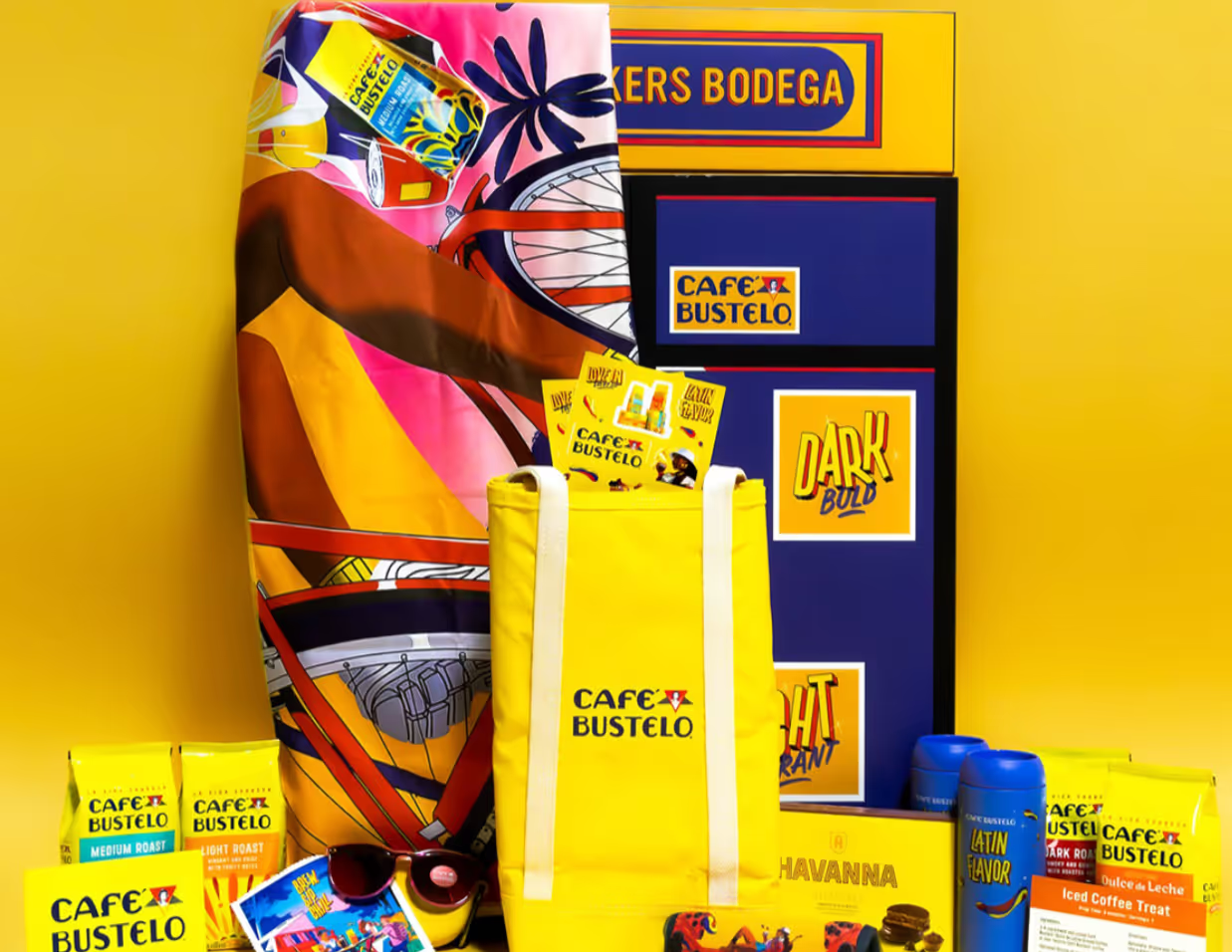
The "Bodega in a Box" campaign honored Latino culture through authentic details like alfajores, Spanish-language elements, and bodega-inspired packaging that reflected real community experiences. Rather than surface-level cultural references, the activation incorporated meaningful traditions and familiar neighborhood elements, creating genuine connections with existing customers and new audiences.
Cultural Bridge Building for New Audiences
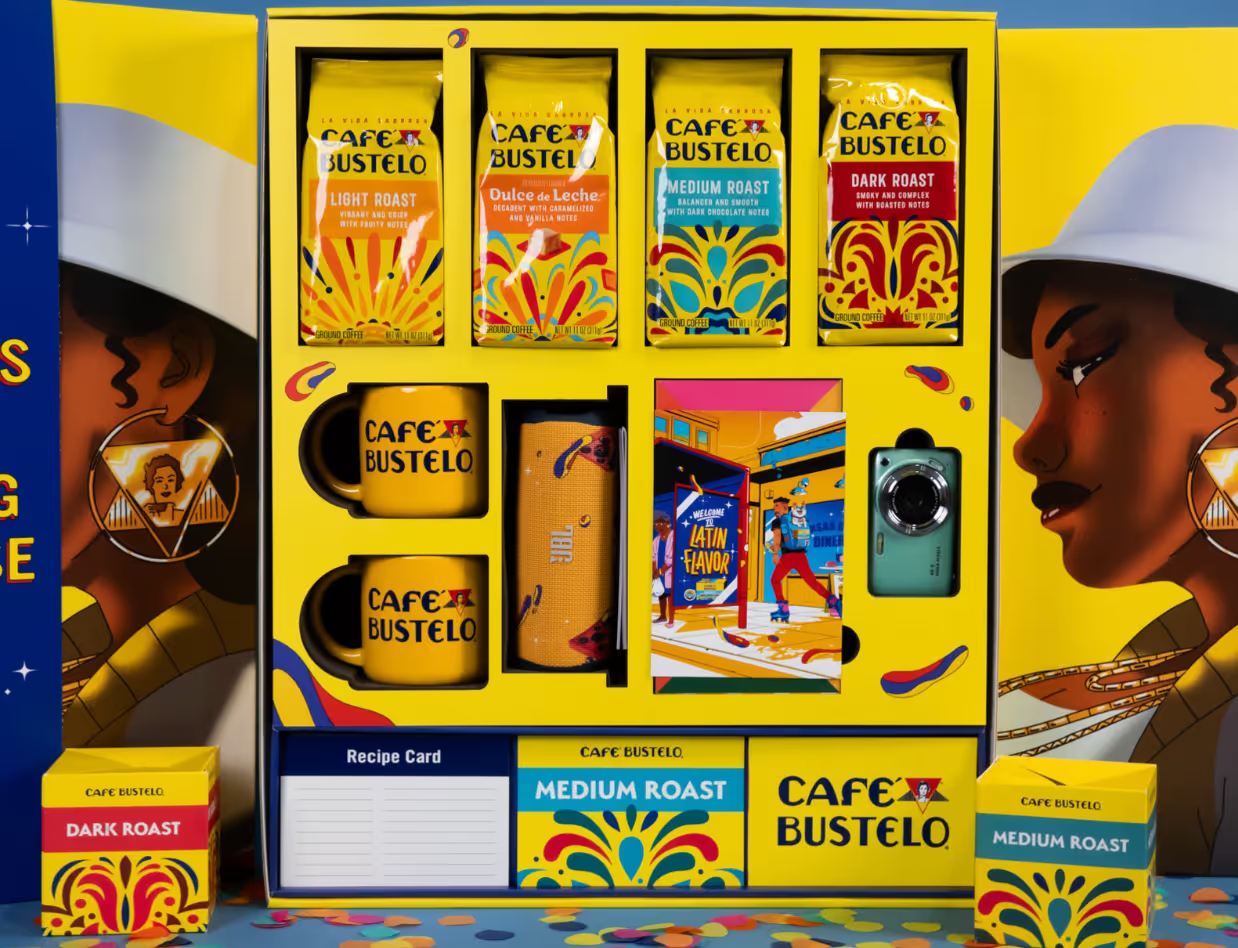
Café Bustelo's "Fiesta in a Box" introduced the brand to new market segments through culturally relevant items and vibrant design, celebrating community traditions. The campaign showed how brands can engage new audiences through respectful cultural appreciation:
- Community Tradition Integration: Domino sets and cultural games that reflected authentic Latino family and social activities rather than tokenistic cultural symbols
- Vibrant Design Authenticity: Visual elements that celebrated Latin culture through genuine artistic traditions and color palettes used in real community celebrations
- Bridge Building Strategy: Respectful cultural appreciation that introduced new audiences to brand heritage without appropriating symbols or oversimplifying cultural complexity
Activate: Building Inclusive Marketing Campaigns with Impact
At Activate, we specialize in designing inclusive event marketing strategies that embrace inclusive storytelling and engage diverse audiences through thoughtful activation planning and execution. Our comprehensive approach includes cultural intelligence research, accessibility integration, and diverse staffing solutions that create authentic connections between brands and communities. From premium PR boxes with culturally relevant content to mobile tours that reach underserved markets, we execute inclusive marketing strategies that drive measurable results while building lasting brand loyalty across all customer groups.
Ready to create inclusive experiences that expand your brand's reach and impact? Fill out our contact form to discuss your next experiential marketing campaign.
Frequently Asked Questions
What is inclusive marketing?
Inclusive marketing creates brand experiences and messaging designed to welcome, represent, and engage people across all demographics, abilities, cultural backgrounds, and lived experiences. An inclusive marketing strategy goes beyond traditional marketing by incorporating diverse perspectives from planning through execution, resulting in experiential campaigns that resonate authentically with varied audience segments while driving measurable business outcomes.
Are inclusivity and diversity the same?
Inclusivity and diversity are related but distinct concepts in experiential marketing strategy and execution. Diversity focuses on representation and ensuring varied demographics are present in marketing materials, staffing, and target audiences, while inclusivity emphasizes creating experiences where all participants feel genuinely welcomed, valued, and able to engage meaningfully with brand activations regardless of their background or accessibility needs.
Why is inclusion important in marketing?
Inclusion is important in marketing because it expands brand reach to previously underserved customer groups while creating more authentic connections that drive higher engagement rates and lasting brand loyalty. When experiential marketing campaigns embrace inclusive storytelling and implement culturally intelligent design principles, they generate stronger word-of-mouth marketing, improved brand image, and increased market opportunities across diverse communities that represent significant purchasing power and influence.
How do you measure success in inclusive experiential marketing?
Success in inclusive experiential marketing is measured through participation rates across different demographic groups, accessibility and accommodation usage, multilingual engagement metrics, and community feedback collection methods. Additional indicators include social media engagement from diverse audiences, repeat participation from underrepresented groups, word-of-mouth referrals across different communities, and post-event surveys that capture inclusive experience quality and cultural sensitivity effectiveness.