
How Live Events Power Experiential Marketing Strategy
Brands are always looking for real ways to connect with an audience, and live events are one of the strongest tools in experiential marketing. A live event brings people together in person, whether for a product launch, a pop-up, a sponsorship activation, or a sampling program, and gives a brand a defined window to make its story tangible.
Experiential marketing covers more ground than the event itself, including mobile tours, experience kits, and other formats that let consumers engage with a product without a physical event driving it. Live events are the most direct entry point, but whether it's a single event or a full slate of experiential marketing campaigns, the goal is the same: create a lasting impression that ties back to the brand.
This live events experiential marketing guide covers how the two work together, what event types look like in practice, how to plan and staff one, and how to measure the results.
The Relationship Between Live Events and Brand Experiences
Live events act as a catalyst for a brand interactive experience. A single event, run well, can shift how an audience sees a brand for months afterward.
- Amplifying Brand Messaging: A live event puts a brand's values and personality in front of an audience directly, engaging sight, sound, and touch in ways a static ad campaign can't.
- Creating Memorable Touchpoints: Every interaction at an event, from the invitation to the post-event follow-up, adds to how attendees remember the brand.
- The Power of In-Person Interactions: Face-to-face contact builds trust that's harder to earn through a screen.
Together, these three turn a live event into a lasting impression instead of a one-off moment.
The Dynamic Interplay of Live Events and Experiential Marketing
Event marketing and experiential strategy build on each other, turning single events into stronger brand experiences.
Enhancing Brand Experiences
When a live event is built with experiential marketing techniques, attendees become active participants in the brand's story instead of passive observers. That shift supports emotional connections, brand recall, and room for personalized interaction.
Creating Memorable Interactions
Live events paired with experiential marketing produce moments that engage more than one sense, invite participation instead of passive viewing, and give people something worth posting.
The Role of Physical Presence in Brand Experiences
- Immediate Feedback and Engagement: Brands can read reactions in real time and adjust on the spot.
- Face-to-Face Interactions: Personal contact between brand representatives and consumers builds emotional connections and trust that's harder to fake.
- Tactile Experiences: Consumers can touch and interact with a product directly, building a stronger connection than watching it on a screen.
Interactive experiences like these help build brand awareness long after the event ends.
Types of Live Events in Experiential Marketing
Live events give brands several ways to build brand experiences: product launches, pop-ups, sponsorship activations, and sampling events each bring their own strengths to an experiential marketing campaign.
Product Launches
- Building anticipation through immersive reveal experiences
- Giving consumers hands-on time with a new product
- Creating shareable moments that extend the launch's reach past the event itself
Pop-Up Experiences
- Creating urgency and exclusivity around a limited-time presence
- Testing a new market or concept without a long-term commitment
- Surprising consumers with an unexpected brand encounter
Sponsorship Activations
- Using an existing event to increase brand visibility
- Building a brand experience inside a larger event that fits attendee interests
- Demonstrating brand values through activations that resonate with that event's target audience
Sampling Events
- Letting consumers try a product in a setting that fits the context
- Gathering direct consumer feedback in real time
- Educating consumers about product features in a hands-on way
Any single experiential marketing event might blend several formats at once, and live events can take almost any shape once a brand's goals are clear, from a hybrid digital-physical activation to an intimate VIP gathering.
We had the opportunity to design an influencer event for Hot Topic, celebrating Xochitl Gomez's role as the brand's new Chief Style Officer. The activation combined a product launch, a VIP gathering, and an interactive experience in one space, built around Hot Topic's aesthetic with details like airbrushed hoodies and temporary tattoos, and connected directly with the brand's young, trend-focused audience.

Key Elements of Successful Live Event Integration in Experiential Marketing
A live event shifts brand perception when three things come together: engagement, immersion, and storytelling.
- Engagement Strategies: Interactive elements and gamification that encourage participation, plus personalized touchpoints that make attendees feel recognized and deepen their connection to the brand.
- Immersive Experiences: Multi-sensory engagement across sight, sound, touch, taste, and smell, with moments people want to photograph and share, extending the event's reach through social media.
- Storytelling: A narrative that carries attendees through the experience from start to finish, connecting brand values to it honestly and reinforcing the same message at every touchpoint.
When these key elements work together, a live event does more than entertain. It builds brand perception that carries past the event itself.
Key Components of Effective Live Events
Behind the scenes, a different set of pieces has to line up before an event can deliver that kind of impact.
Strategic Planning and Design
- Aligning Event Concepts with Brand Values: Every part of the event should reflect the brand's core values and messaging.
- Creating Immersive Environments: Design spaces that put attendees inside the brand's world, engaging their senses directly.
Consumer Journey Mapping
- Identifying Key Touchpoints: Map out every interaction attendees will have with the brand before, during, and after the event.
- Building a Cohesive Experience: Keep the flow between touchpoints consistent so the brand experience holds together start to finish.
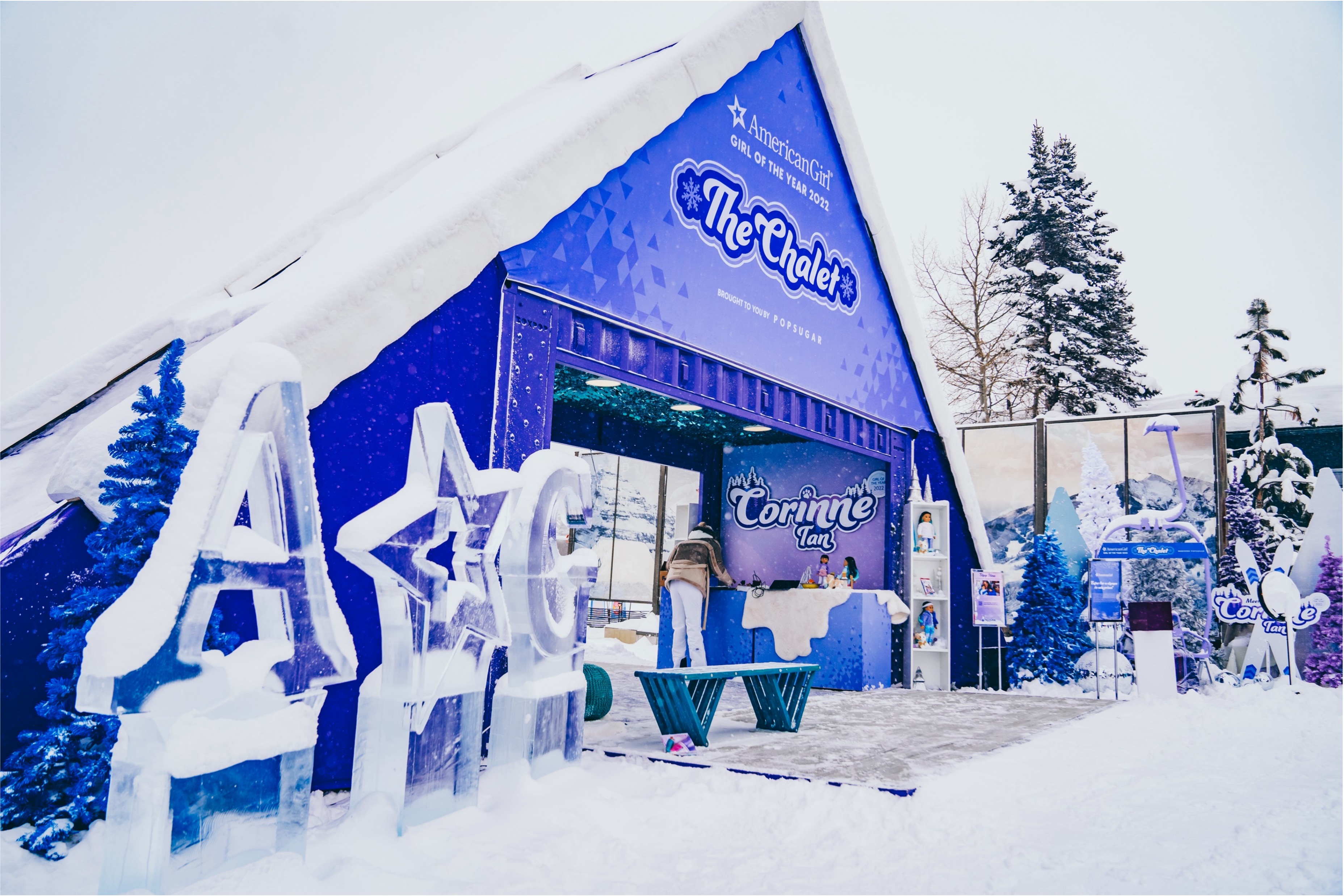
The Popsugar x American Girl Doll chalet event shows what a well-mapped immersive environment can do. The space became a winter wonderland, complete with a themed chairlift, inviting visitors to step into a storybook setting. Beyond a shareable photo opportunity, it let young guests physically engage with the brand, creating a moment they'll remember after the event ended.
Talent and Staffing Considerations
- Selecting Brand-Aligned Representatives: Choose event staff and brand ambassadors who embody the brand's values and can authentically represent its voice.
- Training for Consistent Messaging: Ensure all team members are well-versed in the brand's story and can deliver a unified message.
Planning and Executing Impactful Live Events
A live event's success comes down to planning and execution. A well-run event builds a brand's presence and creates a lasting connection with attendees, while a disorganized one can alienate the people it was meant to win over.
Setting Clear Objectives and KPIs
Good event planning starts with specific KPIs that tie the event to your broader marketing goals, capturing both immediate engagement and longer-term brand affinity.
Audience Targeting and Personalization
Research demographic profiles, behavioral patterns, preferences and pain points, and cultural context, then use those insights to shape an event experience that resonates with attendees.
Logistical Precision
The behind-the-scenes work can make or break the attendee experience: venue selection that fits the brand, timeline management that keeps things moving, and safety measures that protect attendees and the brand's reputation. At Activate, we handle every part of event planning and execution so clients can stay focused on their broader marketing goals.
See examples in our portfolio of live events.
The Role of Talent and Staffing in Live Event Success
Getting talent and staffing right creates an experience that resonates with attendees.
Brand Ambassadors: The Face of Your Event
Well-trained brand ambassadors represent a company throughout the event, keeping messaging consistent and shaping the attendee experience through real, personalized engagement.
Celebrity and Influencer Integrations
Celebrities and influencers can extend an event's reach when the fit is right: personalities whose values genuinely align with the brand, a moment that shows their real connection to it, and a platform to carry the event's messaging before, during, and after it happens. Our influencer marketing work often runs alongside live events for exactly this reason.
Customization and Personalization in Live Events
No two brands share the same goals, values, or audience, so a live event within an experiential campaign needs a tailored approach that builds real brand experiences, not a one-size-fits-all template.
Crafting Brand-Specific Experiences
Every live event should account for brand identity and visual voice, the target audience's preferences and behavior, the campaign's specific objectives and KPIs, and the industry context it's competing in.
Creating Memorable Moments
Personalization goes beyond event design and into individual attendee experiences: personalized touchpoints built from data, options for attendees to shape their own path through the event, and small surprises that create memorable moments long after the event ends.
Tailored Take-Aways
A custom keepsake gives attendees something to hold onto after the event ends. Done well, it reflects brand identity and keeps the connection between attendee and brand going after the day is over.
Activate's work with Faygo and Rip It Energy at the Detroit Grand Prix shows what customization can do. We built interactive challenges around the motorsport theme, including a Faygo ring toss and a Rip It-branded tire change competition, in an environment that matched both brands' energy. The pop-up also highlighted both brands' Detroit roots, with photo opportunities and product sampling giving attendees a personal connection to two hometown names.
.avif)
Challenges in Live Event Execution
Running a live event that actually improves brand perception takes planning that accounts for a long list of things that can go wrong:
- Logistical Intricacies: venue selection, equipment integration, and timeline management
- Brand Consistency: keeping messaging and aesthetics aligned across every touchpoint
- Vendor Coordination: making sure every vendor meets brand standards and event goals
- Audience Engagement: building interactive elements that resonate with a diverse crowd
- Technical Glitches: catching and fixing technology issues fast
- Budget Management: balancing cost against the quality of the experience
- Safety and Compliance: meeting regulations and protecting attendees
- Weather Contingencies: planning for the unpredictability of an outdoor event
- Staffing Challenges: recruiting and training representatives who fit the brand
At Activate, our in-house logistics team and Metro Detroit production facility exist to get ahead of these issues before they reach an event.
Integrating Live Events With Broader Marketing Campaigns
A live event has more impact when it connects to the rest of a brand's marketing effort instead of standing alone.
- Cross-Channel Promotion: Build pre-event buzz across channels, use social media to drive anticipation, and extend the event's reach through post-event content.
- Content Creation Opportunities: Encourage attendees to create and share their own content, and capture event footage for future marketing.
- Long-Term Brand Building: Reinforce brand messaging across every touchpoint and use what the event reveals to refine ongoing marketing.
- Digital Integration: Build an event-specific hashtag, consider live-streaming parts of the event on social media, and add digital touchpoints that connect the physical experience to online channels.
- Data Utilization: Collect attendee data to inform future marketing, sharpen customer personas, and follow up with retargeting to keep attendees engaged.
Measuring the Impact of Live Events in Experiential Marketing Campaigns
Measuring event success matters for justifying the investment in experiential marketing events and improving the next one, and it takes more than one metric.
Relevant KPIs include attendee engagement rates, social media reach and sentiment, sales conversions, and shifts in brand perception. Collecting that data usually means combining digital tracking tools, surveys and feedback sessions, RFID or similar technology, social media listening, and sales data analysis.
Some of what a live event delivers, brand affinity and emotional connection among them, is hard to quantify right after the event ends. Pair long-term metrics with short-term results to see the impression an event leaves.
Elevate Your Live Event Strategy With Activate
Activate designs and builds live events, mobile tours, and experience kits that turn marketing goals into real brand experiences. Our team works within your objectives, budget, and timeline, from an intimate product launch to a large-scale public activation, and manages every part of the process in-house.
As a women-owned agency built in Detroit, we bring hands-on production capability to every event, backed by our own 75,000-square-foot facility for fabrication, fulfillment, and staffing that supports experiential events of any scale.
Explore our live events, mobile tours, and experience kits work, or connect with our team to talk through your next event.


Frequently Asked Questions
What types of brands benefit most from live events?
Brands seeking to build emotional connections, run product launches, or create memorable experiences tend to see the most impact from live events. Products that benefit from hands-on demonstration, companies entering a new market, and organizations with strong community values tend to get the clearest returns.
What makes a live event successful in experiential marketing?
A successful live event builds real brand experiences: interactive experiences, personalized touchpoints, and memorable moments that align with brand values and resonate with the target audience.
How can we measure ROI for live events?
Measuring ROI for a live event means tracking both quantitative and qualitative metrics: attendee engagement rates, social media mentions, lead generation, sales conversions, and shifts in brand sentiment, tied to the event's specific objectives.
What are the key differences between traditional and experiential marketing events?
Traditional marketing events tend toward one-way communication. An experiential event prioritizes active participation and immersive experiences, aiming to create emotional connections and lasting memories rather than simply conveying information.
What sets Activate's approach to live events apart from other agencies?
We offer a turnkey solution, from initial concept through post-event analysis, with in-house logistics, staffing, and customization under one roof, which keeps quality consistent and turnaround fast.