
Experiential Project Timeline: Planning Experiential Marketing Campaigns
An experiential project timeline structures campaign planning across discovery, production, and execution phases. Brand activations, mobile tours, and PR boxes involve fabrication schedules, vendor coordination, staffing logistics, and on-site operations—each with dependencies that affect launch dates. Missing a single deadline for custom vehicle modifications or specialty packaging components can delay campaigns and cost thousands in rushed shipping or overtime labor.
Timeline planning starts at discovery and continues through post-campaign analysis. The structure changes based on the campaign type: a pop-up activation requiring custom fabrication requires months of lead time, while a sampling tour using existing assets can be executed in weeks. Understanding which milestones matter most and how tasks connect determines whether campaigns launch on schedule or scramble at the end.
Sustainable experiential marketing timelines benefit from early material sourcing—FSC-certified papers and biodegradable fills require advance ordering, so build these lead times into your production schedule from the start.
Planning Phases for Experiential Marketing Projects
Campaign timelines typically begin with client discovery and concept development, preceding any production. This planning phase establishes the scope, budget, and creative direction—decisions that directly impact the duration of production and fulfillment. Rushing through early planning to "save time" typically adds weeks to production when requirements change mid-build or vendors can't meet compressed deadlines.
The planning phase determines resource allocation across the entire project. A brand activation that requires custom aluminum structures has a longer fabrication time than standard booth setups. PR boxes with laser-etched wooden components require different lead times than printed paper mailers. These material and production decisions made during planning lock in minimum timelines that later phases must accommodate.
AI virtual experience design operates on separate development cycles from physical builds, enabling you to layer digital components into experiential campaigns without waiting for fabrication to complete.
Discovery and Strategy Development
Initial client meetings identify campaign goals, target demographics, budget parameters, and launch dates. This discovery phase gathers the information that shapes realistic project plans and timelines. A client requesting a mobile tour in 12 markets requires a different timeline planning approach than a single-city pop-up, even if the budgets are similar. Strategy development translates goals into executable concepts with estimated timelines and resource constraints. Concept complexity directly affects production schedules—a sampling tour that hands out products from branded bikes executes faster than a custom vehicle tour that requires engineering modifications and DOT compliance.
Strategy sessions identify which ideas align with the timeline and which require adjustments or extended schedules. Budget and timeline interact during the strategy development process. Custom fabrication, specialty printing, and experiential elements, such as stunt deliveries, cost more and take longer than standard options. Clients often choose between timeline, budget, and complexity—pick two. Strategy development documents these tradeoffs so everyone understands why specific timelines exist.
Proposal and Contract Finalization
Proposal development with a detailed project timeline helps confirm that specific milestones, deliverables, and deadlines are met. These timelines include fabrication schedules, vendor lead times, staffing requirements, and contingency buffers. Realistic proposals account for approval cycles, revision rounds, and client decision-making time that can add weeks to schedules. Contract finalization locks in scope, budget, and timeline commitments. Changes after contract signing typically extend timelines because production resources are already allocated.
A PR box campaign that adds 2,000 units mid-production requires additional fulfillment time, even if materials are available. Contracts outline the consequences of clients requesting changes that impact timelines, including rush fees, extended deadlines, or scope reductions. Payment schedules in contracts often tie to timeline milestones. Deposits are released at contract signing, production payments are made before fabrication starts, and final payments are cleared before delivery. These payment milestones create financial checkpoints that help keep complex projects on track through their timeline phases.
Production Time Management
Structured timelines for production cover fabrication, fulfillment, and pre-event preparation. This phase has the most task dependencies—custom structures can't ship until fabrication is complete, graphics cannot be installed until the structures arrive, and staff can't train until the final layouts exist. Managing these dependencies determines whether production stays on schedule or compounds delays.
An experiential project management timeline requires buffer time for issues that inevitably arise. Specialty materials arrive damaged and need reordering. Custom fabrication often reveals engineering problems that need redesign. Fulfillment discovers components don't fit in the packaging as planned. Projects without contingency time built into production timelines inevitably miss deadlines when everyday problems occur.
Fabrication and Fulfillment Scheduling
Custom fabrication timelines begin with the finalization of logo design projects and material procurement. Each method carries specific lead times that affect overall schedules:
- Wooden Structures: Lumber sourcing and shop time for cutting, assembly, and finishing.
- Aluminum Modifications: Engineering approval, welding, and surface treatment for custom configurations.
- 3D-Printed Components: File preparation, print runs, and post-processing, such as sanding or painting.
Vendor Coordination and Material Lead Times
Vendor management impacts the success of timelines across multiple production areas. Printing vendors, fabrication shops, promotional product suppliers, and logistics companies all have lead times that must be coordinated. A mobile tour needs custom vehicle modifications from one vendor, wrapped graphics from another, and promotional products from a third—all arriving simultaneously for final assembly. Vendor dependencies create timeline risks when a delay in one phase cascades through other phases. Graphics can't be installed on vehicles until fabrication is complete.
Staff can't train on the activation setup until all components arrive. Delayed vendor deliveries compress remaining timeline phases, forcing rushed work that increases error rates. Long-lead items get ordered first in production timelines. Custom-printed packaging, specialty promotional products, and fabricated structures often require lead times of 6-8 weeks. Standard items with shorter lead times can be ordered later without risking delays. Proper timeline sequencing prioritizes long-lead purchases while keeping inventory costs manageable.
Quality Control Checkpoints Throughout Production
Quality control happens at multiple stages rather than just at completion. Catching problems early prevents costly fixes in later phases:
- Material Inspection: Vendor defects are identified upon arrival of supplies, before they enter the production workflow.
- In-Process Fabrication Checks: Structural or finishing issues surface while corrections remain feasible.
- Pre-Fulfillment Assembly Tests: Component fit and packaging integrity get verified before mass production begins.
- Final Pre-Delivery Verification: Quantities, branding application, and packaging condition get confirmed against specifications.
Execution and Post-Campaign Analysis
Execution timelines cover transportation, setup, on-site operations, and teardown. These phases have fixed deadlines—events happen on specific dates regardless of whether production is completed smoothly. Execution planning includes contingency time for setup complications, weather delays, and last-minute adjustments that always emerge on-site.
Post-campaign timelines are often neglected in planning, but they are crucial for client relationships and future projects. Recap reports, metric analysis, and final documentation require time after campaigns conclude. Scheduling these activities during planning confirms they happen while information is fresh and team members are available.
On-Site Operations and Staffing Coordination
Establish timelines that take into account the complexity of activation and venue constraints. Staffing requires coordination across recruitment, preparation, and execution phases:
- Hiring: Recruiting brand ambassadors and on-site managers weeks before launch dates.
- Training: Teaching product knowledge, engagement protocols, and activation-specific procedures.
- Scheduling: Coordinating activation hours, break rotations, and shift changes across team members.
- On-Site Project Management: Overseeing setup, troubleshooting issues, and directing teardown operations.
Campaign Metrics and Performance Documentation
Metrics collection happens during and immediately after activations. Foot traffic counts, sample distribution numbers, social media engagement, and lead capture all require documentation while campaigns are running. Post-campaign analysis compiles these metrics into recap reports showing campaign performance against goals. Recap timelines, schedule when metric analysis happens, and when clients receive final reports. Rushing to recap and deliver information quickly often means incomplete data or superficial analysis.
Proper timeline planning allows 1-2 weeks post-campaign for thorough metric compilation, analysis, and report creation. These timelines coordinate with client expectations set during proposal development. Photography and video documentation during campaigns require dedicated timeline resources. Capturing quality content while managing operations means planning time for content creation. Post-campaign editing timelines process raw content into deliverable assets. These documentation timelines become especially important when campaigns generate content for client marketing use beyond the recap report.
Timeline Management in Practice
The following campaigns illustrate how timeline planning, production coordination, and execution scheduling are applied across various experiential marketing formats.
Benjamin Moore Contractor Appreciation Mobile Tour
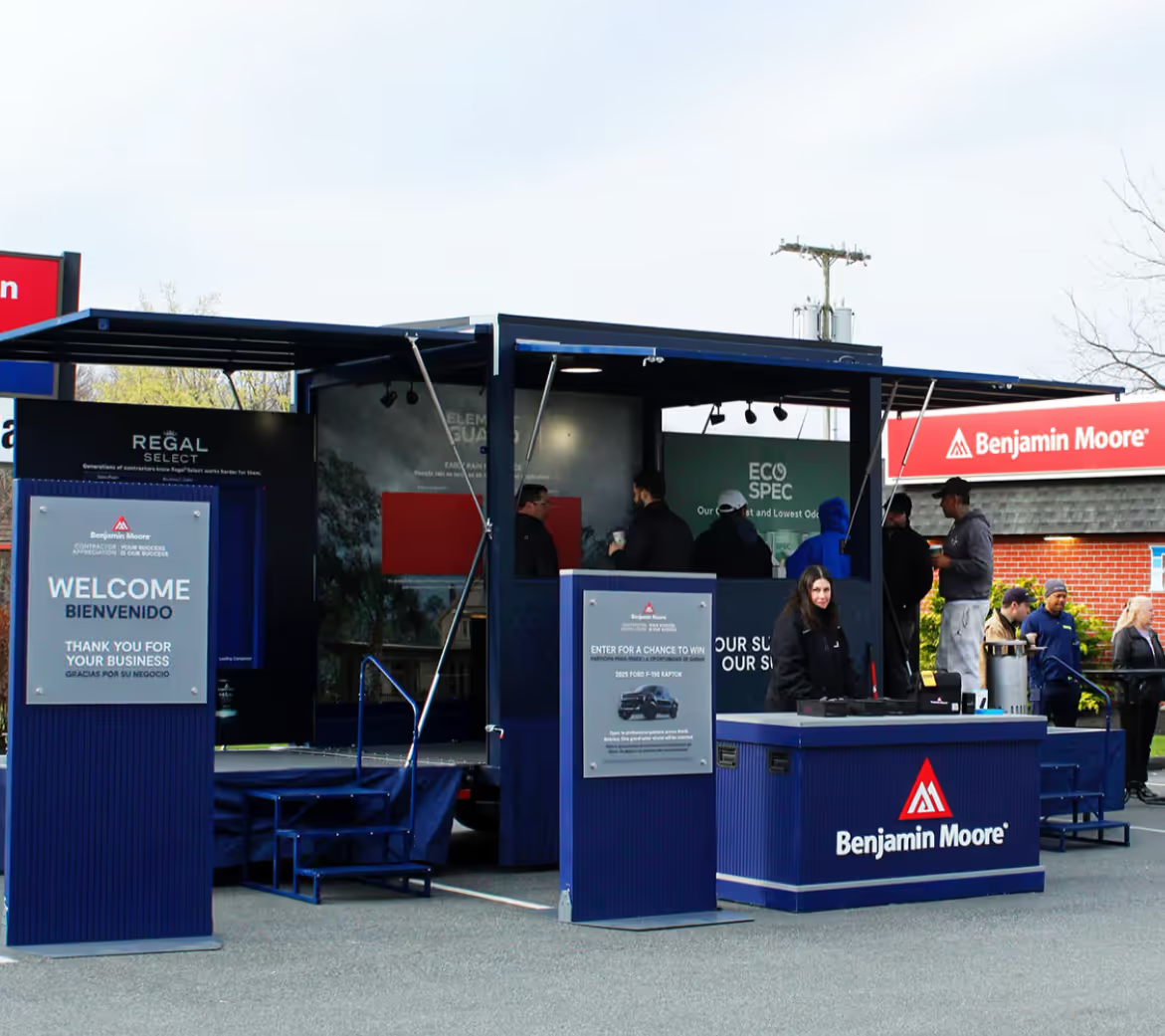
Benjamin Moore's 2025 Contractor Appreciation Tour required coordinating a 26-foot mobile stage showroom trailer across multiple U.S. and Canadian markets. Production timelines began with trailer fabrication, which included detailed millwork, product demo installations, and branded elements built in the facility before hitting the road. This pre-production phase allowed quality control in a controlled environment rather than troubleshooting issues on-site in retail parking lots.
Tour routing timelines coordinated with Benjamin Moore retail locations across key markets.
The stop required advance coordination with store management, the acquisition of permits for parking lot use, and the scheduling of locally catered breakfasts. The timeline accounted for drive time between markets, setup time at each location, activation hours, and teardown before moving to the next stop. Staffing timelines included bilingual team members to support locations serving diverse contractor populations. Training happened before the tour launched, covering product demos, the Regal comparison board, and Eco Spec smell test procedures. The experiential project timeline included contingency days for weather delays and mechanical issues that could impact a months-long mobile tour across multiple regions.
Cayman Jack Missed Flight Lounge Pop-Up Activation
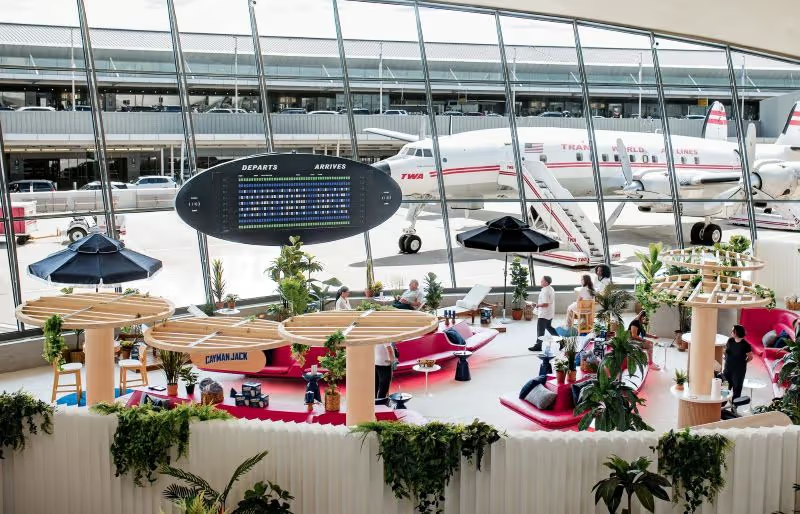
The Missed Flight Lounge at JFK's TWA Hotel required compressed production timelines to transform a hotel space into a jungle-themed bar environment. Fabrication timelines began with the custom structure design and production—elements that needed to align with the original renderings while meeting venue specifications and fire codes. These structures were shipped to the venue with enough lead time for installation before the activation launch date. Environmental transformation timelines included carpet installation to establish the foundation aesthetic, followed by intentional placement of greenery throughout the space.
Each element is installed in sequence based on its dependencies—carpet before furniture, structures before graphics, and greenery after major components — to prevent damage during heavy installation work. Activation zone development happened on parallel timelines. The photo moment, check-in area, Cayman Jack bar, sunken lounge, spa services, and swag bar each required setup coordination, product stocking, and staff training. In-terminal surprise activations with brand ambassadors distributing boarding passes to passengers added coordination complexity—timing activations when missed flights were most likely, while managing ambassador schedules across multiple terminals.
Atari Survival Kit PR Box Fulfillment
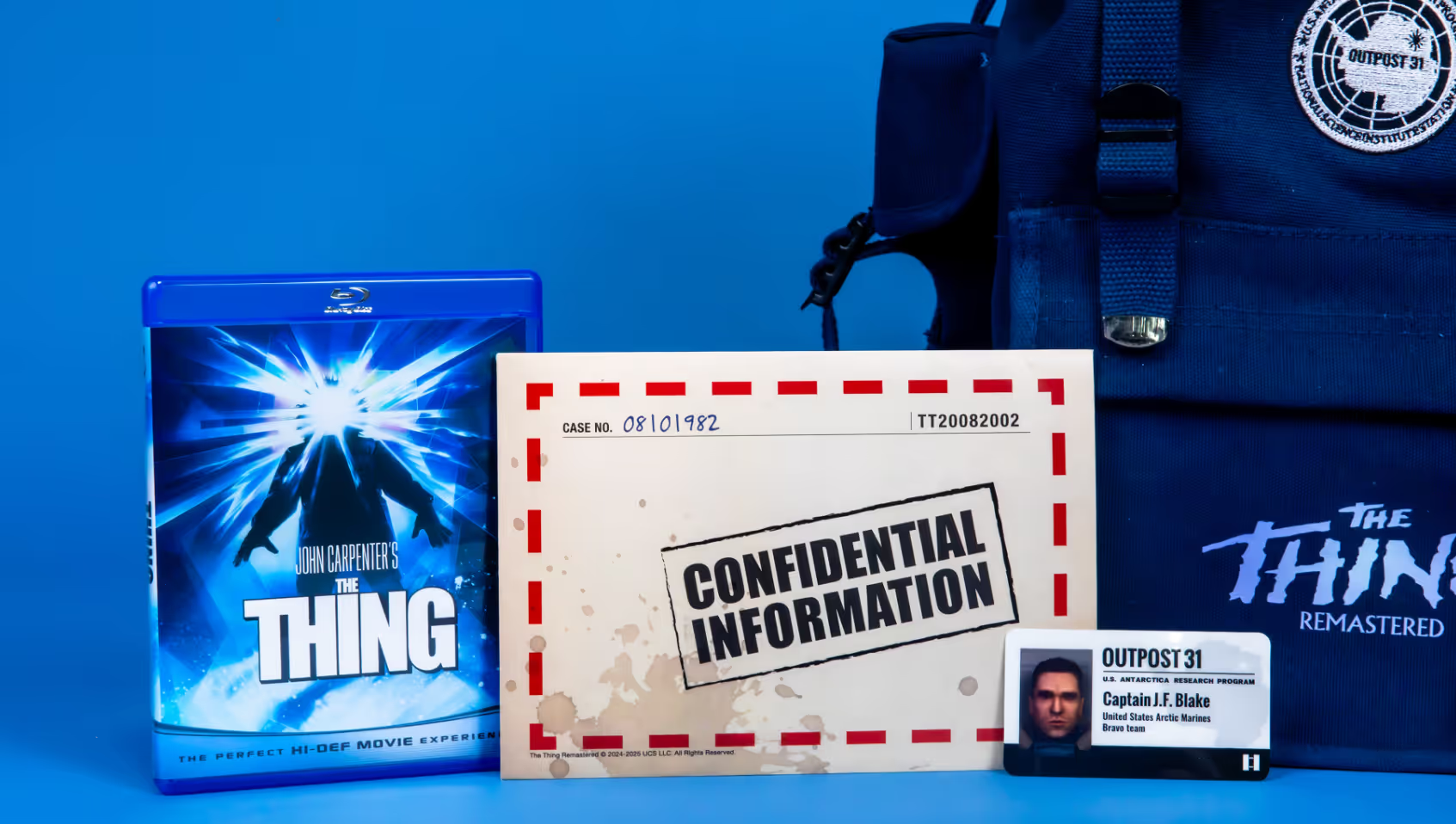
The Thing Remastered survival kit timeline started with sourcing decisions—the branded backpack required setup for embroidery, production of patches, and screen printing for emblems. Component sourcing included the water bottle, compass, flashlight, paracord, and copies of both the game and the original film. Each item had different lead times that needed coordination, so everything arrived simultaneously for fulfillment. Fulfillment timeline planning addressed the unique challenge of packing items into a backpack rather than a box. The assembly sequence positioned welcome cards and key cards at the top for immediate visibility, with remaining items nested in protective compartments below.
This packing approach required more time per unit than standard box packing, affecting overall fulfillment timeline estimates. Quality control timelines included sample assembly to verify all components fit correctly in the backpack, positioning created the desired unboxing sequence, and patches/emblems were applied correctly. Shipping timelines coordinated with influencer campaign launch dates—kits needed to arrive on schedule for coordinated social content creation supporting the game release. The timeline accounted for assembly complexity, quality checks, and coordinated delivery windows to support launch objectives.
Activate Your Campaign Timeline with Experiential Expertise
Activate manages experiential marketing timelines from concept through execution at our 75,000 sq. ft. Metro Detroit facility. Our seven-phase process coordinates fabrication, vendor management, fulfillment, and on-site operations for brand activations, mobile tours, and PR boxes. We handle discovery, strategy development, proposal creation, contract finalization, production scheduling, activation execution, and post-campaign analysis. Our in-house capabilities include custom woodworking, aluminum fabrication, laser etching, 3D printing, and specialty decorating—eliminating vendor dependencies that typically delay timelines. Fill out our contact form to plan your next experiential marketing campaign with realistic schedules and turnkey production.
Frequently Asked Questions
How does an experiential timeline differ from standard event planning schedules?
An experiential timeline accounts for custom fabrication, vendor coordination, and multi-phase production that standard event planning doesn't require. Brand activations require time for structural builds, specialty printing, and quality testing. In contrast, basic events focus primarily on venue booking and day-of logistics, often without the months of pre-production that experiential campaigns demand.
What phases make up a complete experiential marketing timeline?
A complete experiential marketing timeline includes discovery and strategy development, proposal and contract finalization, production and fabrication, vendor coordination, fulfillment or setup, on-site execution, and post-campaign analysis. Each phase has specific milestones and dependencies—custom vehicle modifications can't start until engineering approvals are complete, and fulfillment can't begin until all sourced components arrive from different vendors.
Why do PR box campaigns require longer lead times than standard mailings?
PR box campaigns require longer lead times because custom packaging, specialty decorating services, and complex assembly processes take weeks to execute correctly. Laser etching, embossing, 3D-printed components, and custom foam inserts each add production time that standard printed mailers avoid. Quality control testing on sample units occurs before complete fulfillment to catch fit or durability issues.
When should fabrication timelines start for mobile tour activations?
Fabrication timelines for mobile tour activations should start immediately after contract finalization to accommodate custom vehicle modifications, structural builds, and DOT compliance requirements. Custom trailers, wrapped graphics, and branded elements require a minimum of 6-8 weeks for production and installation before tours launch, with additional time allocated for engineering approvals and road testing.
Can experiential project timelines accommodate last-minute campaign changes?
Experiential project timelines can accommodate last-minute changes, depending on the production phase of the campaign and the specific modifications needed. Changes during discovery or strategy development typically integrate without delays; however, requests made after fabrication starts—such as adding markets to a mobile tour or increasing PR box quantities mid-fulfillment—extend timelines because materials are already ordered, production schedules are set, and resources are allocated to other projects.
Where do timeline delays most commonly occur in experiential campaigns?
Timeline delays most commonly occur during vendor coordination when specialty materials arrive late or are damaged, during client approval cycles that extend beyond the estimated timeframes, and during on-site setup when venue constraints or permit issues arise. Long-lead items, such as custom-printed packaging or fabricated structures, ordered without adequate buffer time, create cascading delays across the remaining production phases.
Which production elements require the longest lead times in brand activations?
Custom fabrication elements require the longest lead times in brand activations—aluminum structures, woodworking, custom vehicles, and large-scale props need design, engineering, material sourcing, and shop time that standard rentals avoid. Specialty printing on rigid substrates, embroidered textiles, and 3D-printed components also carries extended timelines compared to digital printing or off-the-shelf promotional products.
How long does it take to launch a campaign?
Activate can produce experiences in as little as two to twelve weeks depending on scope. Timelines are set during the proposal phase and built into the project schedule before production begins.