
Event Promotional Boxes That Get Recipients to Show Up
Physical packages make an impact the moment they arrive at someone's desk or doorstep. Promotional boxes give busy professionals something to hold and explore, and that tactile moment, the unboxing experience, cuts through in a way a digital invite or email never quite manages. Recipients keep what's inside, share it, and remember it. That's why promotional boxes remain one of the more effective tools in experiential marketing.
These packages do more than announce an event. Sometimes called mailer boxes or PR boxes, they extend a brand's reach into daily life, support customer service and client-retention efforts, and turn a one-time delivery into an ongoing brand touchpoint.
What Are Event Promotional Boxes?
Event boxes are custom packages built around branded merchandise, tech accessories, and campaign materials, designed to support a launch, event, or client touchpoint. They differ from a standard promotional item because several pieces work together toward one unboxing experience, whether for a client, journalist, influencer, or employee.
A well-built box also does something practical: it increases product visibility. Recipients who might otherwise overlook a product get a free sample or full-size item in hand, in a format designed to be noticed and shared, not filed away.
Why Event Boxes Work
Event boxes work on a psychological level, not just an aesthetic one. Research from Temple University's Center for Neural Decision Making found that physical advertisements leave a more lasting impression than digital ones (USPS Office of Inspector General, 2019). Canada Post research points to something similar: physical mail activates areas of the brain tied to long-term memory more strongly than other media (Canada Post Corporation, 2015). Recipients often bring up event boxes they received months ago as the reason they still remember a brand's outreach.
That memory effect shows up on social media, too. One industry study found that 40% of consumers post pictures of distinctive or branded packaging online (W Packaging, 2022). That kind of sharing extends a campaign's reach well past the original recipient list. A single unboxing post can reach a recipient's entire network, turning one delivery into dozens of impressions the brand never paid for directly.
A handful of design choices tend to drive that social media behavior:
- Magnetic Closures: A satisfying opening mechanism that builds anticipation and often gets filmed.
- Layered Reveals: Multiple packaging layers that create several photo-worthy moments.
- Photogenic Elements: Colors and textures chosen to look good under different lighting and camera angles.
- Branded Details: Logo placement that keeps the brand visible in every unboxing photo.
- Shareable Moments: Packaging built with distinct stages, so the reveal naturally breaks into multiple social media posts.
Types of Event Promotion Boxes
Event boxes generally fall into three categories: pre-event boxes that build anticipation ahead of the date, VIP boxes reserved for a brand's most important guests, and media kits built for journalists and content creators. Each type carries different content and goes out on a different timeline.
Pre-Event Boxes That Build Anticipation
Pre-event boxes work because recipients see them daily in the weeks leading up to an event. Instead of a digital reminder that gets deleted, recipients keep branded mugs, notebooks, or tech accessories on their desks:
- Countdown Packaging: Advent-calendar-style boxes with numbered compartments that reveal event details or previews day by day. Entenmann's "#12DaysOfEntenmanns" campaign used this format, with a different item in each numbered section.
- Themed Experience Kits: Activity sets recipients can use to engage with the event theme. Disney Junior's Alice's Wonderland Bakery kit included baking supplies, recipe cards, and branded accessories that families could use together ahead of the show's premiere.
- Compartmentalized Design: Multiple sections within one box that create several discovery moments during unboxing, with each compartment holding a different event-related item.
- Daily Use Items: Branded drinkware, desk accessories, or apparel that recipients interact with regularly, keeping the event top of mind.
- Practical Event Information: Event schedules, venue maps, and previews alongside the branded items, giving recipients planning resources along with the anticipation-building.
VIP Invitation Boxes for Exclusive Event Experiences
VIP boxes signal exclusivity through packaging materials and content that reflect the event's tier. They need to feel distinct from a standard invitation to justify the VIP treatment:
- Premium Surface Finishing: Textures like embossing, foil stamping, or specialty papers create tactile distinction from the first touch. Tree Hut used acrylic packaging with holographic elements and branded product containers for its beauty campaign.
- Personalized Elements: Custom messaging, hand-written notes, or individually addressed components signal that each recipient was chosen specifically.
- Exclusive Access Materials: Behind-the-scenes previews, early access codes, or event perks reserved only for VIP recipients, extending exclusivity beyond the packaging itself.
- High-End Branded Items: Merchandise like apparel, tech accessories, or collectible items recipients want to keep and use.
- Presentation Box Design: Rigid construction with magnetic closures, custom inserts, and structured layouts that create a gift-like opening. Checkers used a checkered pattern that communicated its brand identity at a glance.
Media Kit Boxes for Press and Content Creator Engagement
Journalists get dozens of press releases a day, but they do open physical packages. Media kits give reporters something to reference while writing a story, along with items they'll use during coverage:
- Photography-Ready Packaging: Packaging designed to look good under different lighting and camera conditions, since journalists often share unboxing content on their own channels.
- Story Materials: Press releases, fact sheets, and background information organized for easy reference, helping journalists write accurate stories without hunting for details.
- Branded Reference Items: Notebooks, tech accessories, or desk items media professionals can use while covering the event. Logitech's media kit included a branded folder, grid-paper notebooks, and pens for interviews and note-taking.
- Lifestyle Context Items: Coffee, tea, or other items that build context around a brand's story, helping journalists understand the audience and positioning behind it.
- Multi-Format Assets: Digital download codes, USB drives, or QR codes that provide high-resolution images, video, and other resources in formats suited to different outlets.
Design, Materials, and Custom Packaging
Design decisions shape whether a box feels like premium custom packaging or a standard shipment. A few materials and techniques tend to matter most:
- Rigid Box Construction: Durable, with magnetic closures that create a considered opening experience.
- Surface Finishing: Embossing, spot UV coating, and foil stamping that add a more finished feel.
- Custom Inserts: Fitted dividers that protect contents in transit and keep the presentation organized.
- Brand-Aligned Graphics: Colors and visual elements consistent with existing brand standards, built to photograph well.
The Design Process
Promotional boxes move through a consistent production sequence:
- Initial Consultation: Establish campaign goals, timeline, and budget.
- Concept Development: Align box contents with campaign messaging and audience.
- Component Sourcing and Design: Select products and finalize packaging design together.
- In-House Assembly: Pack and quality-check every box in a controlled environment.
- Global Distribution: Coordinate shipping, tracking, and delivery confirmation.
In-house production supports a faster turnaround than working through multiple outside vendors, which matters when a campaign timeline is tight.
Customization and Tiered Solutions
No two campaigns call for the same box, and no two boxes within a campaign need to match, either. Personalized elements, like a signed letter, monogrammed initials, or individualized messaging, create a sense that each package was built for its recipient. Tiered solutions let a brand reserve an elevated experience for top clients or VIPs while keeping the broader distribution efficient, so a company can send a wider mailer box run to general invitees and a more elevated package to its highest-value contacts within the same campaign. Every box can vary within a single order, since none of it comes from pre-made or stock inventory.
Real Campaigns, Real Results
Ruggable used event promotional boxes to support an influencer campaign for its Mediterranean rug collection, sending complete tablescape kits, including terracotta vases, stoneware plates, linens, and Italian olive oil, that let recipients build a full dining scene around the product. Each item arrived wrapped in canvas with hand-written labels, and recipients shared lifestyle content showing the rugs in real use.

Nordstrom turned its Anniversary Sale promotion into a stunt delivery, sending vibrant yellow grocery baskets filled with fresh fruit and sale catalogs. Select influencers in Manhattan and Brooklyn received their boxes from brand ambassadors driving a branded vintage farm truck, while broader distribution reached recipients nationwide, an unusual delivery format that recipients documented and shared on their own.

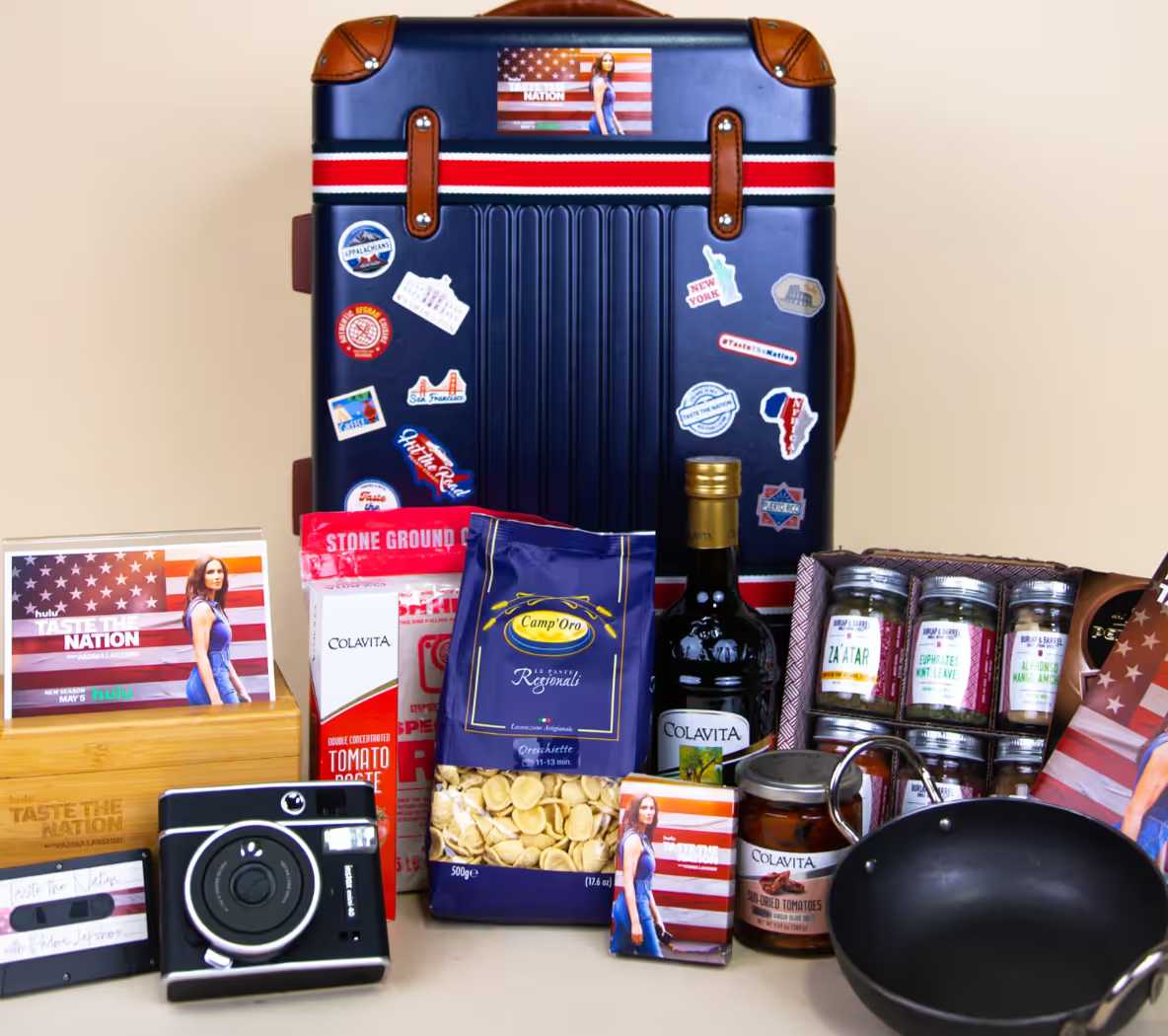
Hulu promoted the second season of Taste the Nation with kits built around the show's featured destinations: custom instant cameras, recipe cards designed as postcards, and specialty food items tied to the series. The kit gave recipients a way to engage with the show's premise before it aired.
Designing Sustainably
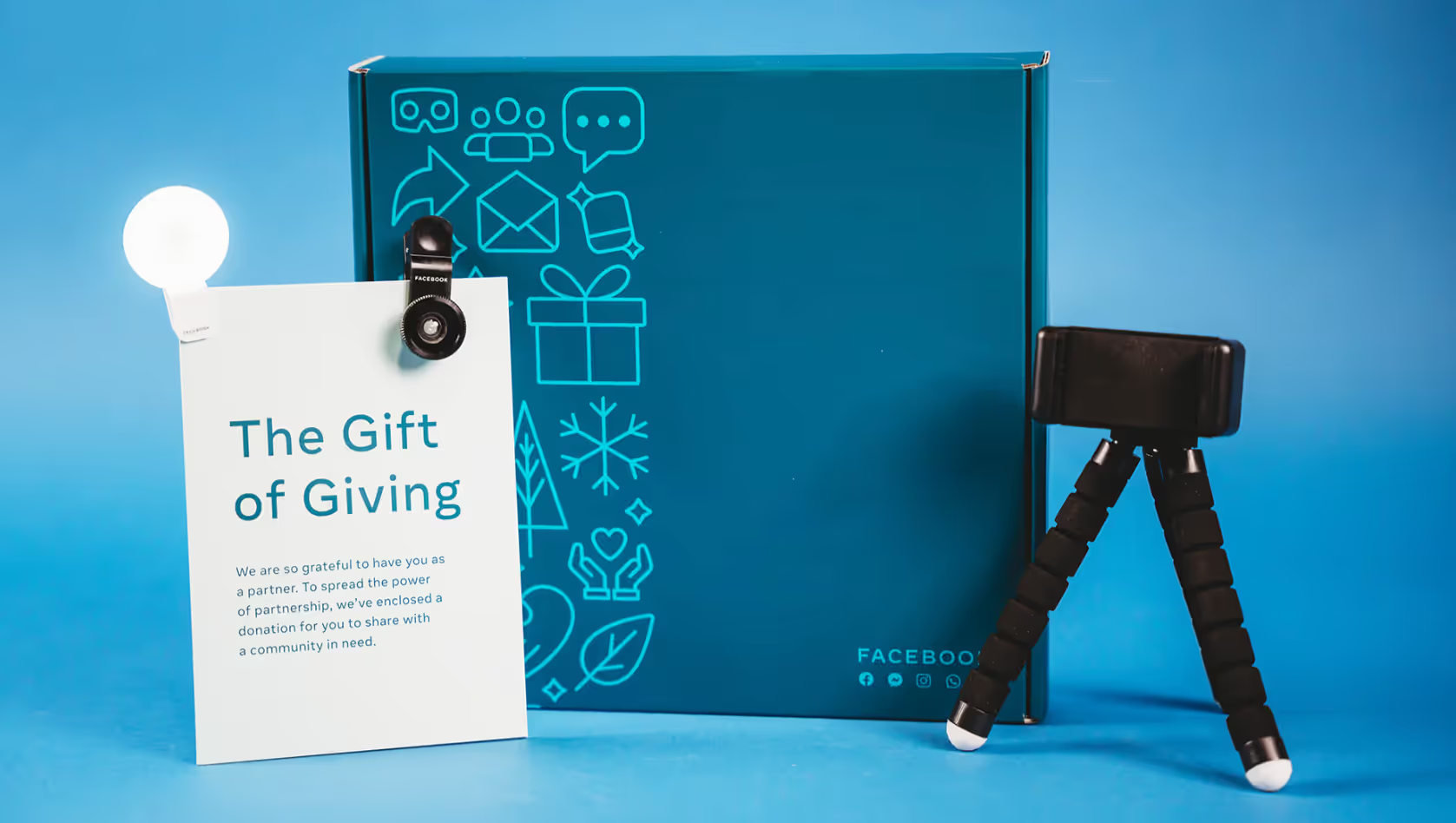
These boxes can also reflect a company's environmental and community commitments. Eco-friendly materials, responsibly sourced inks, and sustainably sourced contents allow a brand to build a fully sustainable package without giving up visual quality. Some campaigns extend that value further by sourcing products from small and diverse-owned businesses, giving recipients something distinct while supporting a broader set of partners.
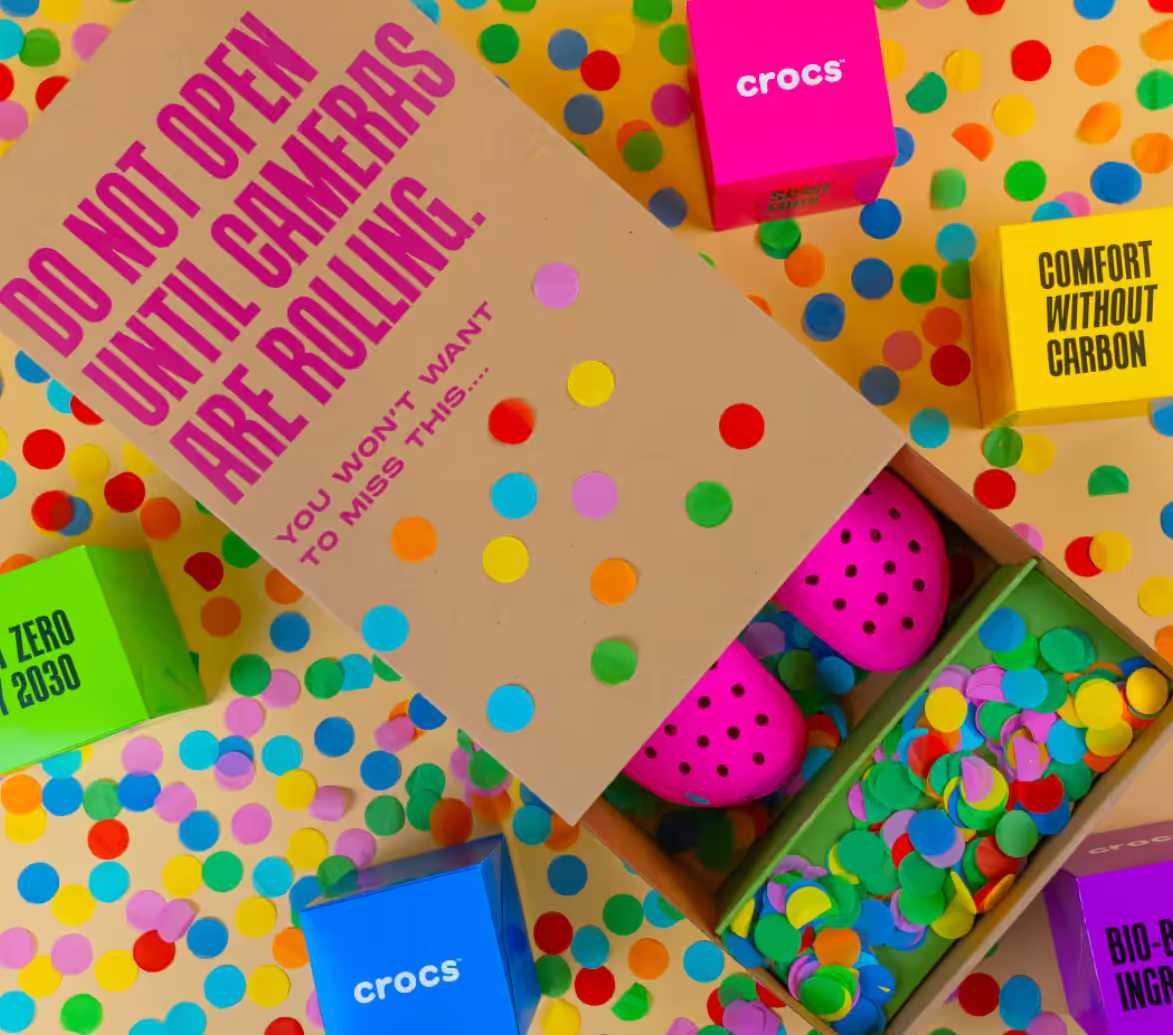
Crocs put sustainability at the center of a recent campaign, building boxes from 100% sustainable materials with eco-friendly ink, designed to support the brand's net-zero goals. Recipients opened the box to find sustainable confetti and a dedicated space for the shoe as the centerpiece, proof that an eco-conscious build doesn't have to compromise the reveal.
Working With an Experiential Marketing Agency
Producing event boxes at scale takes more than a good concept. In-house production, including 3D printing, laser etching, and woodworking, allows for prototyping and quality control that outside vendors typically can't match, and it removes the delays that come with coordinating multiple suppliers. Global fulfillment capabilities keep international shipping, customs, and delivery tracking consistent across markets. And clear campaign management, from concept through delivery, keeps production schedules and approvals on track for a launch date that doesn't move.
Bring Your Next Event Box to Life
Activate designs and produces promotional boxes for global brand events, managing everything from initial concept through final delivery. Our 75,000-square-foot Metro Detroit facility supports custom packaging fabrication, specialty surface finishing, and in-house fulfillment, giving marketing and HR decision-makers a single team to work with from first sketch to final shipment.
Ready to build a box your recipients won't forget? Fill out our contact form to discuss your next campaign.
Frequently Asked Questions
What makes these boxes different from standard corporate gifts?
Event promotional boxes are built around strategic design and storytelling, not a single branded item. Each box combines curated products, personalized elements, and interactive components that work together to communicate a brand message and encourage recipients to share their experience.
How do promotional boxes increase attendance rates?
They create a physical reminder recipients see daily leading up to an event. Custom packaging with well-chosen contents builds anticipation and signals the event's value, making recipients more likely to prioritize it over a competing invitation.
How long does the design and production process typically take?
Most campaigns take 2 to 12 weeks depending on customization and order volume. In-house production supports a faster turnaround by removing the delays that come with coordinating outside vendors at each stage.
Can event promotional boxes be customized for different recipient tiers within one campaign?
Yes. Tiered solutions allow a campaign to include an elevated experience for top clients or VIPs while keeping broader distribution efficient, using different product selections, messaging, and packaging levels based on recipient importance.
What materials work best for event promotional packaging?
Materials that balance durability with visual appeal tend to perform best. Rigid construction with magnetic closures and custom inserts to protect contents in transit, along with finishing techniques like embossing and foil stamping that make the reveal feel deliberate.