
Branded Hashtag Activations: Creating Impactful Social Media Campaigns
Branded hashtag activations combine physical brand experiences with social media tags that turn participants into content creators. When someone attends a mobile tour stop, receives an experience kit, or visits a live event, they share their experience using a campaign-specific hashtag that connects their post to thousands of others. Hashtag activations work because they provide people with something tangible to photograph and post, while also offering a clear tag that organizes all related content in one searchable location.
The difference between a forgettable activation and one that generates thousands of posts comes down to execution. A mobile tour stop with a photo-worthy setup and clear hashtag signage produces immediate sharing. An experience kit with unboxing appeal prompts influencers to document and tag their posts. Booth activations at live events with photo opportunities and interactive elements give attendees a reason to pull out their phones and post in real-time.
What Branded Hashtags Do for Campaign Visibility
A branded hashtag is a campaign-specific tag that organizes all related social media posts under one searchable term. When audiences see the same hashtag on tour vehicle wraps, event signage, experience kit inserts, and influencer posts, repeated exposure makes the tag—and the campaign—stick in their minds. Using one hashtag across all platforms maintains consistent brand messaging while spreading awareness. Every time someone uses that hashtag in their own post, their followers see it without paid promotion.
How Physical Activations Drive Digital Hashtag Participation
Live events and mobile tours produce posts because they give attendees something to photograph. A photo booth at a festival generates images that people share within minutes. A mobile tour with product demos prompts posts where people show off what they tried. When hashtag signage appears on vehicles, displays, and handouts, people tag their posts without being asked.
Mobile tours build content across multiple markets over weeks or months. A tour stop in Miami yields posts that look nothing like one in Denver, as each location brings its own audience and setting. All posts use the same hashtag, keeping the campaign visible longer than a single-day event.
Outcomes That Connect to Business Objectives
Hashtag campaigns produce specific results that marketing teams can track and report:
- Broader Audience Reach: When people tag their posts, their followers see the campaign without any ad spend.
- User-Generated Posts: Attendees create posts showing products and experiences from their own perspective instead of relying on brand-created material.
- Live Campaign Monitoring: Watching tagged posts reveals which parts of the campaign people engage with most.
- Works Across Platforms: The same hashtag works on Instagram, TikTok, Twitter, and LinkedIn without requiring separate campaigns for each.
- Trackable Metrics: Post counts, reach numbers, and engagement rates show how the campaign performs.
Planning Hashtag Campaigns for Participation
Know who should use your hashtag, what you want them to post, and how you'll track it before launching anything. Without these basics defined upfront, campaigns become guesswork.
Defining Audience and Setting Campaign Goals
Identify who should participate before designing anything. College students at a mobile tour need different hashtags and activation setups than executives receiving experience kits. Where they spend time online and what they typically post determines hashtag length, platform focus, and what physical elements will prompt sharing.
Set measurable targets. "Generate 15,000 tagged posts across three platforms during a six-week tour" or "Reach 3 million impressions" can be tracked. "Increase engagement" means nothing without numbers attached. Budget for the full scope. Account for mobile tour logistics, event staffing, experience kit production, and influencer sends—not just media spend. Knowing total costs upfront prevents mid-campaign funding gaps.
Designing Campaign Hashtags
Strong hashtags stay short and clear so people remember them without checking signage twice. Test these basics before finalizing any campaign tag:
- Keep It Short: Tags need to communicate the campaign concept while staying brief enough for people to type without effort.
- Say It Out Loud: A hashtag that reads well might sound clunky when tour staff mention it or attendees say it in videos.
- Search Before Launching: Check that the tag isn't already tied to unrelated content or topics that clash with the brand.
- Style It Consistently: Use the same capitalization and presentation on vehicle wraps, event signage, and kit inserts so people recognize it immediately.
Connecting Hashtags to Marketing Initiatives
Use the same hashtag everywhere the campaign appears. When it shows up on mobile tour vehicle wraps, experience kit inserts, event signage, influencer posts, and paid media, people see it multiple times and remember it.
Launch everything at once. Starting the mobile tour, sending experience kits, and activating influencer partnerships simultaneously creates more impact than spacing them out over weeks. Set presentation standards. Define how the hashtag appears—capitalization, placement, surrounding copy—so it looks the same on a tour stop banner as it does on a kit insert.
Platform Strategies That Match Audience Behavior
Each platform has its own hashtag norms. Instagram posts work with multiple tags in captions or comments, TikTok relies on challenge hashtags that prompt participation, Twitter keeps tags minimal for readability, and LinkedIn uses them more for categorization than virality. Campaigns use the same primary hashtag everywhere but adjust how many additional tags appear based on the platform.
Using Instagram Hashtags for Visual Campaigns
Instagram works well for campaigns with strong visuals from live events, mobile tours, and product moments. Here's how to use hashtags effectively on the platform:
- Feed Posts: Posts perform better with 3-5 hashtags than with dozens—keep the primary campaign tag in the caption where people see it first, and put secondary tags in comments if needed.
- Instagram Stories: Tour stops and live activations generate Stories where attendees post in real time, using hashtag stickers that make the content searchable while the event is still active.
Recording TikTok Challenges and Content Creation
TikTok spreads through challenge-style hashtags where people create their own version of a trend. Campaigns gain traction through these specific tactics:
- Challenge Format: Campaigns work when early posts show exactly what to do—dance with the product, demonstrate a feature, recreate a setup—so others can copy it.
- Audio Pairing: Pairing the campaign hashtag with a specific song helps content spread when multiple people post using the same audio and hashtag combination.
- Influencer Participation: When creators post first, their audiences replicate the content, building volume that attracts wider participation beyond the influencer's immediate followers.
Optimizing Twitter and LinkedIn
Twitter works for live event coverage and LinkedIn functions as a results-sharing platform. Here's how hashtags perform on each:
- Twitter for Live Events: Keep hashtags to 1-2 per tweet where event attendees create conversation threads that reach people who aren't there.
- LinkedIn as Topic Labels: Use the campaign hashtag on posts about the activation itself, but the platform works better for sharing results and insights after the campaign than for driving participation during it.
Tracking Performance and Refining Campaigns
Track how many posts use the hashtag, how many people those posts reach, and what engagement each post generates. Social listening tools pull this data across platforms, showing which tour stops, event elements, or kits produce the most tagged content. Watch what people post, not just the numbers. If attendees focus on one specific activation element or kit item in their photos, that tells you what resonates.
Use that information to adjust remaining tour stops or inform the next campaign. Compare results to past campaigns to understand what improved and what didn't. Document why certain activities worked or failed so future campaigns build on what drives participation rather than repeating unsuccessful tactics.
Successful Hashtag Campaign Examples
Physical activations that create successful hashtag campaigns give people something worth photographing. These examples show setups designed for sharing:
- Coach Tabby Tour: Mobile tour with a shipping container topped by an oversized Tabby purse, product displays on a monochromatic arch, and color-coordinated ice cream giveaways that attendees photographed at each stop.
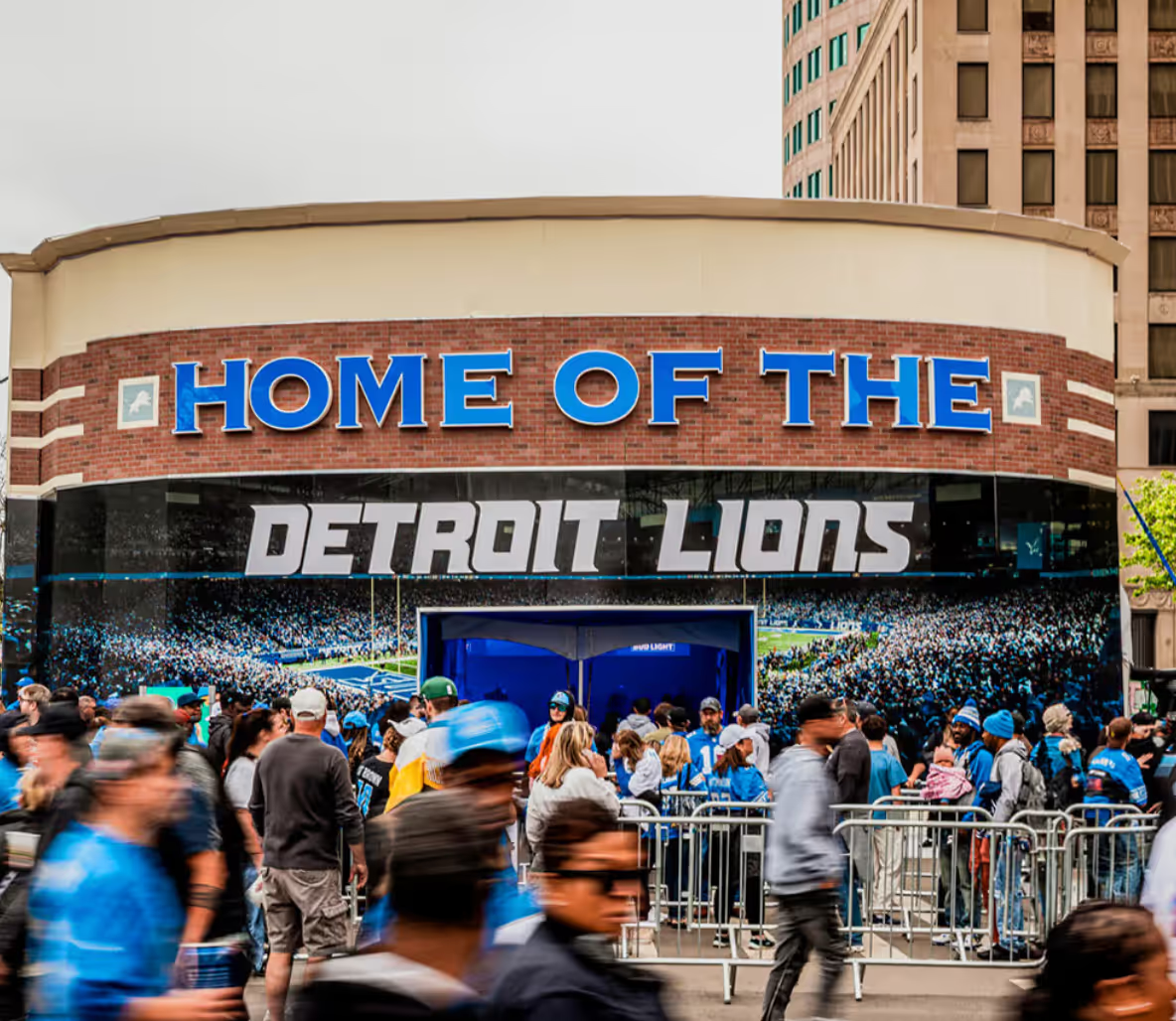
- Detroit Lions NFL Draft Experience: Fan activation featuring an entrance tunnel replica, interactive jersey displays, airbrush tattoo station, and postcard creation area where attendees documented their visit.

Activate: Physical Experiences and Social Participation
Activate executes hashtag campaigns through mobile tours, live events, and experience kits designed for sharing. We handle strategy, logistics, staffing, and fulfillment to create activations where hashtag participation happens naturally. Ready to plan a campaign that generates tagged content? Fill out our contact form to start the conversation.
Frequently Asked Questions
What are branded hashtag activations, and how do they work?
Branded hashtag activations combine physical experiences like live events, mobile tours, or experience kits with social media participation through custom campaign tags. When people attend activations or receive products, they share their moments using specific hashtags, creating content that extends campaign reach across their personal networks.
How do branded hashtag campaigns generate content for brands?
Participants document their own experiences and tag posts with campaign hashtags, producing authentic material from multiple perspectives across markets. This creates diverse visual stories that feel more natural than corporate messaging while providing measurable content volume.
What makes a successful hashtag campaign on social media platforms?
Successful campaigns pair memorable tags with experiences people want to share, from photo booth moments to product unboxings. They launch with clear goals, choose platforms based on where target audiences spend time, and maintain consistent presentation across event signage, packaging, and digital materials.
How do mobile tours amplify branded hashtag activations?
Mobile tours generate fresh content as they move across markets, with each stop producing unique visual material from varied audiences and locations. This geographic strategy sustains campaign momentum over weeks or months while keeping messaging unified through consistent hashtag use.
What metrics should brands track to measure the performance of their hashtag campaigns?
Track tagged content volume, reach numbers, engagement rates, and participant demographics to measure campaign performance. Look beyond numbers to examine what themes emerge in participant posts and which messaging styles resonate most strongly with different audience segments.
How do you design branded hashtag campaigns that audiences want to share?
Design physical touchpoints that naturally prompt documentation—product sampling moments, interactive displays, or unboxing experiences that feel worth sharing. Pair these moments with clear hashtag prompts on signage and materials so participation becomes an organic part of the experience rather than an afterthought.
What role do influencers play in branded hashtag campaigns?
Influencer participation provides early examples that demonstrate to audiences how to effectively engage with campaign hashtags. When influencers share their experiences with experience kits or attend tour stops, their networks often replicate the content, building momentum that attracts broader participation.